

Luxury Streetwear Brands: What Separates Them, and How to Judge the Price

Australian Streetwear Brands: A Guide to Labels Designed in Australia

What Does 450 GSM Mean? Hoodie Weight, Warmth & Structure

240 GSM T-Shirts: Weight, Feel & Fit Explained
Published by YEMAT, an Australian luxury streetwear label. YEMAT appears in this guide as one entry, disclosed as our own. The list is not a ranking and no brand paid to be included.
Quick answer: "luxury streetwear" describes labels that take streetwear silhouettes — the tee, hoodie, sweat, cargo, sneaker — and produce them with the fabric, construction, origin and pricing of a designer house. The price is justified when those four things are stated and verifiable. It is not justified by a logo alone. This guide covers the brands that define the category and gives you a way to check any price against what you are actually getting.
What makes streetwear "luxury"
Four things separate the category from ordinary streetwear, and a brand should be able to state all four:
- Fabric. Weight (GSM), fibre and finish. Heavyweight jersey and fleece cost more per metre and hold their shape longer.
- Construction. Pattern-cut oversized fits rather than sized-up regular fits; ribbing, hoods and seams that recover.
- Origin. A named country of manufacture, often Portugal or Italy, sometimes Japan or the United States.
- Scale. Smaller runs, fewer restocks, and pricing that reflects the first three rather than marketing spend.
Brands that define the category
Fear of God (Los Angeles)
Jerry Lorenzo's label is the reference point for elevated American streetwear: long-line tees, relaxed tailoring and muted palettes across the mainline and the more accessible Essentials range.
Aimé Leon Dore (New York)
A New York label known for a prep-meets-streetwear sensibility, sportswear collaborations and a strong retail identity.
Represent (United Kingdom)
A British label known for heavyweight sweats, oversized fits and a large online following, with pieces positioned above the high street but below designer prices.
Cole Buxton (United Kingdom)
A British label built on heavyweight basics — tees, sweats and shorts in dense cotton — sold in a tight, repeatable range.
Rhude and Amiri (Los Angeles)
Two Los Angeles labels operating at the designer end, known for graphic knits, denim and a luxury-retail distribution model.
Stone Island (Italy)
An Italian brand with decades of fabric research behind it, known for garment-dyed outerwear and the compass badge; the technical-fabric side of the category.
Song for the Mute (Sydney)
Australia's most established designer-end streetwear house, known for textural fabrics and considered cuts.
YEMAT (Sydney)
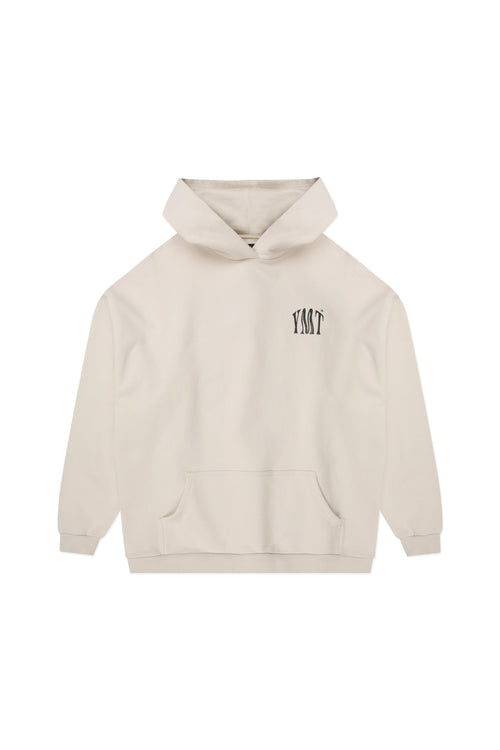
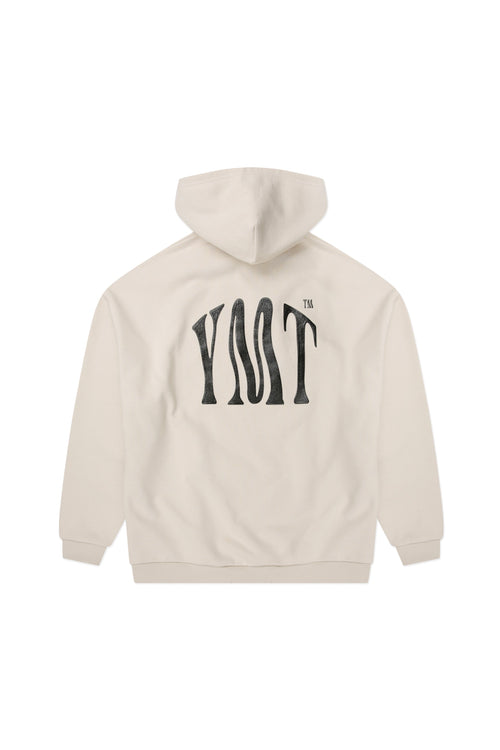
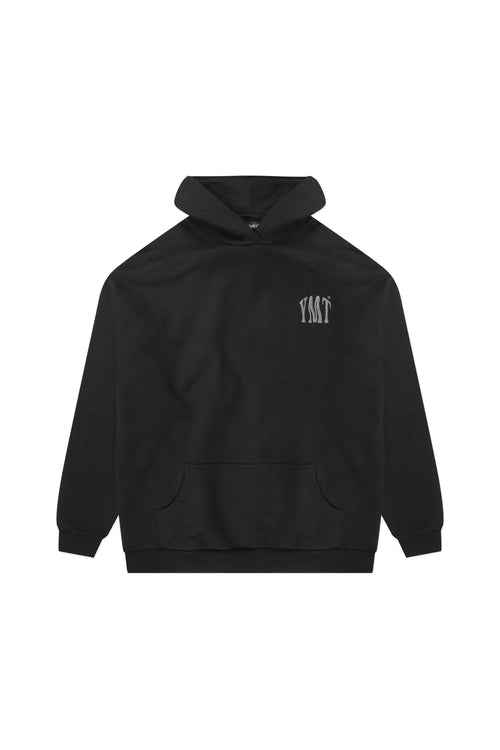
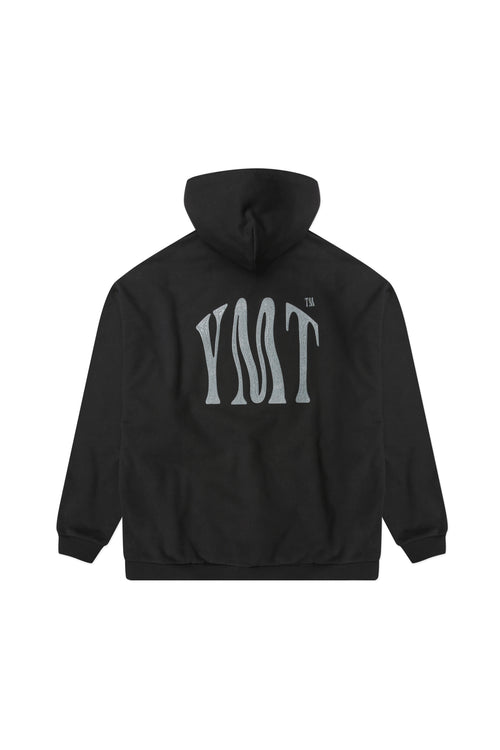
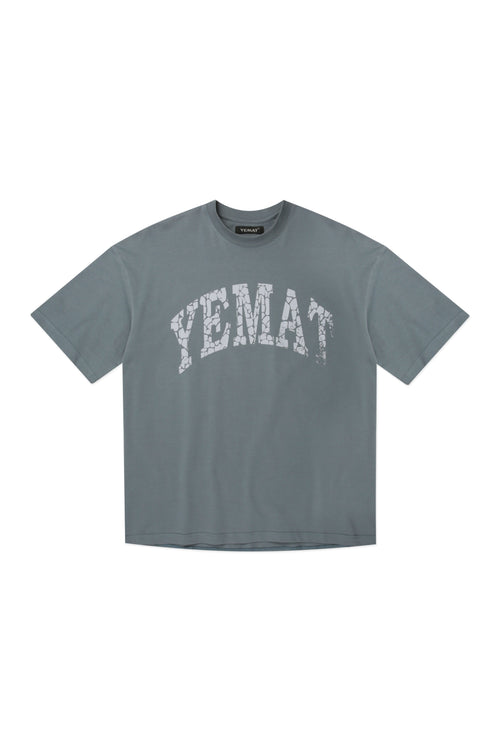
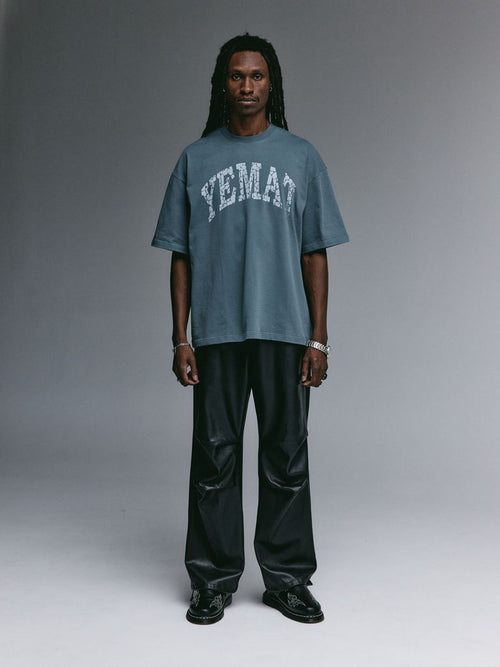
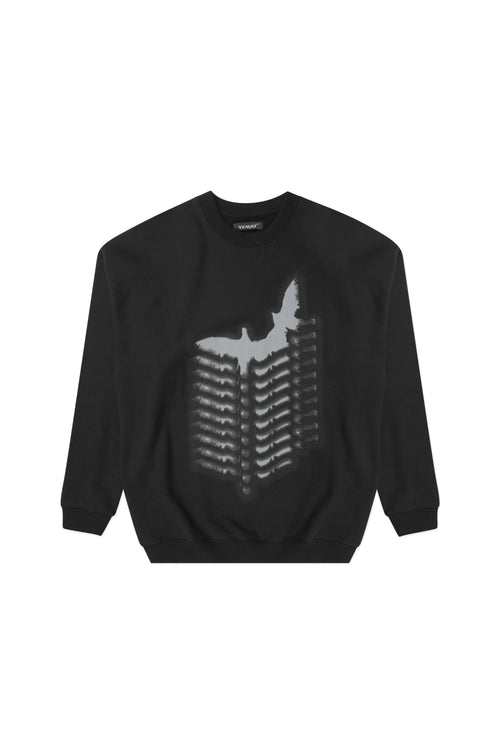
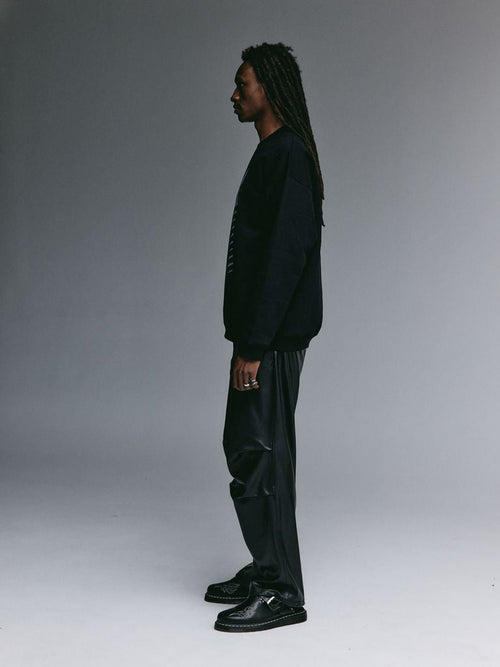
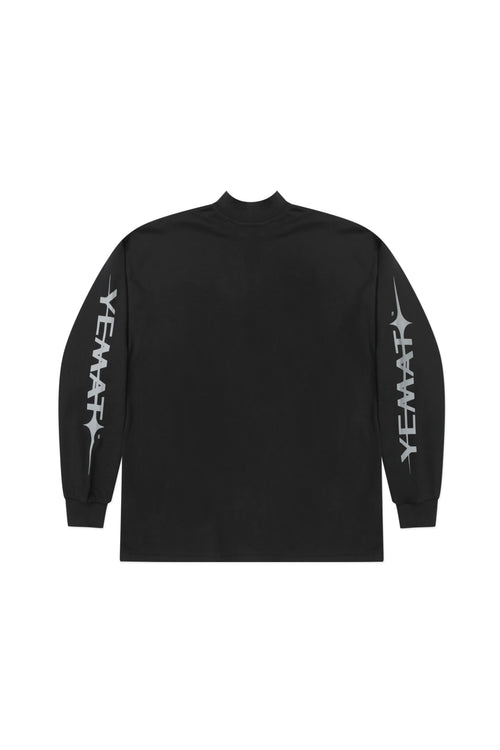
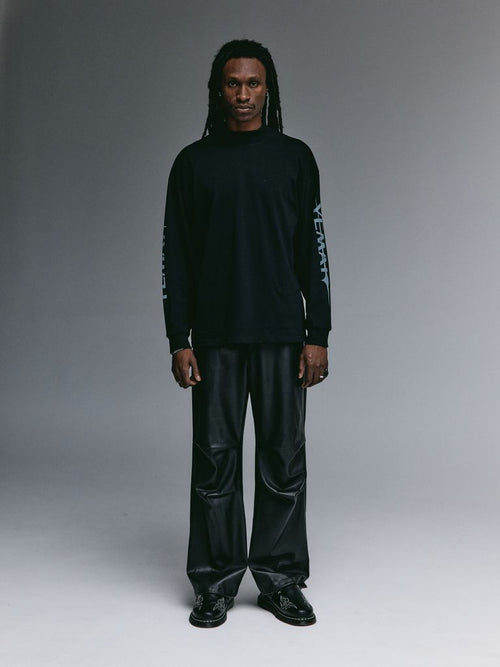
Our own label, and the reason we can speak to the criteria above with specifics. YEMAT is designed in Sydney and cut and sewn in one factory in northern Portugal in 100% organic cotton. Tees and the long sleeve use 240 GSM double-jersey; the hoodies and crew neck jumper use 450 GSM brushed fleece. Every style is cut oversized or boxy with a dropped shoulder and made in a run of 120. Flat measurements are published on every product page and in the size guide. See the collection.
How to judge whether a price is justified
- Ask for the GSM. If a brand will not state fabric weight, you cannot compare it. Heavyweight tees start around 240 GSM; winter-weight fleece around 400.
- Ask where it was made. A country is the minimum. A named factory or certification is better.
- Check the fit is designed, not scaled. Flat measurements across sizes should show a deliberate pattern, not a regular tee enlarged.
- Run the cost per wear. A piece worn twice a week for three years is around 300 wears. Divide the price by that number before you compare it with a fast-fashion equivalent that lasts a season.
- Look at the return and exchange terms. A brand confident in its fit will make size exchanges easy.
Frequently asked questions
Is expensive streetwear worth it?
It can be, when the price is backed by stated fabric weight, construction and origin. We wrote a longer answer in Is expensive streetwear worth the price?
What is the difference between luxury streetwear and designer fashion?
Silhouette. Luxury streetwear keeps the tee, hoodie and sweat as its core garments and elevates how they are made. Designer fashion works across a wider range of garment types and seasons.
Are there luxury streetwear brands in Australia?
Yes. Song for the Mute works at the designer end, and YEMAT positions on heavyweight, Portugal-made basics. Our separate guide to Australian streetwear brands covers the wider local scene.
Brand descriptions reflect publicly available information at the time of writing. Corrections: info@yematofficial.com.
