


Is Expensive Streetwear Worth the Price? A 2026 Review


Best Heavyweight Streetwear Tees 2026: Top 4 Picks

Buy Premium Heavyweight Cotton Hoodie: 2026 Guide

5 Alternatives to Fast Fashion Streetwear Brands
Table of Contents
- The Real Cost of Cheap: Why Price Tags Don't Tell the Whole Story
- How to Judge Expensive Streetwear: A Cost-Per-Wear Framework
- High GSM Cotton Benefits: Why Fabric Weight Changes Everything
- Streetwear Manufacturing Standards: What Small-Batch Production Actually Means
- Luxury Streetwear vs Fast Fashion: A Durability Comparison
- What Expensive Streetwear Actually Costs: A YEMAT Price Breakdown
- Common Myths About Expensive Streetwear (And What the Data Says)
- Conclusion: How to Decide If Expensive Streetwear Is Worth It for You
- Frequently Asked Questions
Last Updated: September 16, 2026
The Real Cost of Cheap: Why Price Tags Don't Tell the Whole Story
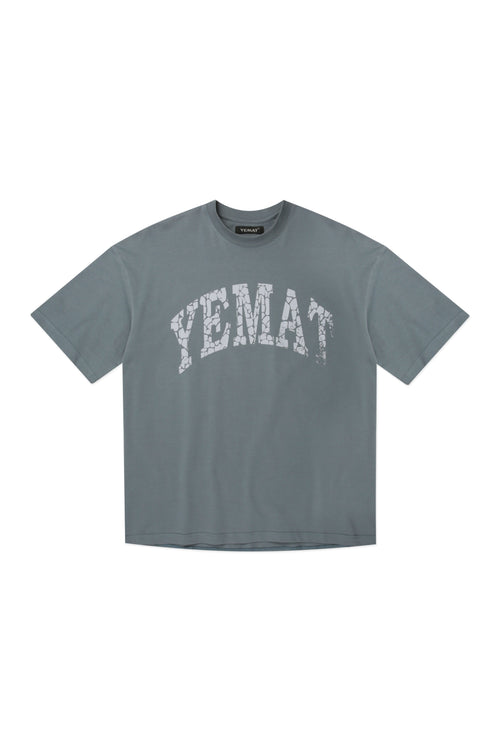
Whether expensive streetwear is worth the price comes down to one number most shoppers never calculate: cost-per-wear. A $145 tee worn twice a week for three years (about 312 wears) costs about 46 cents per wear; a $20 tee that loses its shape after eight washes costs far more per outing. At YEMAT, we built our collection around that math.
How to Judge Expensive Streetwear: A Cost-Per-Wear Framework
The formula is simple:
Cost-per-wear = Purchase price ÷ (wears per month × months of usable life)
| Factor | Fast Fashion Basic | Premium Heavyweight |
|---|---|---|
| Typical lifespan | 3-6 months | 2-4 years |
| Wears per week | 1-2 | 2-3 |
| Replacement cycle | 3-4 per year | None for years |
| Shape retention | Collapses after washes | Holds its cut |
| Cost-per-wear | High, and rising | Falls with every wear |
The Diminishing Returns Threshold: When Paying More Stops Making Sense
There is a ceiling. Once construction, fabric weight and fit are genuinely solved, additional spend buys branding, scarcity and status rather than measurable durability. That is the diminishing returns threshold, and it typically sits where a garment already uses dense natural fibres, reinforced seams and shape-holding ribbing. Past that line, you are paying for hype culture, not garment longevity.
High GSM Cotton Benefits: Why Fabric Weight Changes Everything
High GSM cotton benefits come down to density. GSM, or grams per square metre, measures how much fibre is packed into the fabric. A 240 GSM organic cotton double-jersey tee is roughly twice the weight of a standard 120-140 GSM retail tee, which shows up in drape, opacity and how the garment ages.

Streetwear Manufacturing Standards: What Small-Batch Production Actually Means
Streetwear manufacturing standards separate a garment built to last from one built to ship. Small-batch production means shorter cycles with tighter tolerances, costing more per unit but allowing real quality control at the seam, collar and hem. A run of a few hundred pieces can be inspected in a way a run of fifty thousand cannot.
- Twin-needle stitched hems and sleeves
- Ribbed collars that recover their shape after stretching
- Straight side seams that do not twist after washing
- Stated fabric weight and fibre composition
- Named manufacturing origin rather than a vague "imported" label
Luxury Streetwear vs Fast Fashion: A Durability Comparison
Luxury streetwear versus fast fashion is not a debate about taste, it is a comparison of two product lifecycles. Fast fashion is engineered for a season; premium construction is engineered for years. The gap shows up at five failure points you can check in a fitting room or on a spec sheet.
The Five Failure Points That Separate the Two
1. Collar recovery. Stretch a ribbed collar sideways and release it. A garment built with elastane-blended ribbing and a twin-needle attachment snaps back; a fast-fashion collar stays stretched, because the ribbing is a thin single-layer knit with no recovery fibre. This is the first thing to fail on a cheap tee, usually within 10-15 washes.
Cost-Per-Wear Meets Carbon Footprint
Most comparisons stop at price. The more useful comparison adds environmental cost to the same per-wear denominator. The Australian Fashion Council circular economy guidance notes that extending a garment's active life is one of the most effective ways to reduce its environmental footprint. That logic applies to carbon as much as to dollars.
- Wash cold and hang dry. Heat is the main driver of fibre degradation and shrinkage in cotton. Cold washing and air drying extend usable life and cut the energy per wear.
- Buy fewer, wear longer. The single highest-leverage decision is wearing what you already own more often. A garment you actually wear beats a garment you replace.
The Consumer Guarantee Angle
The Australian Competition and Consumer Commission product durability guidance is clear that goods must be of acceptable quality and last a reasonable time given their price and description. That gives you real consumer guarantees regardless of what you spend, and it applies whether you pay $20 or $200. A garment that fails far sooner than a reasonable person would expect given its price and description may give you a remedy, but the guarantee is not a substitute for checking construction before you buy.
A Side-by-Side Stress Test You Can Run
You can approximate a durability comparison without a lab. Take a mid-tier basic and a heavyweight premium piece and run the same five checks:
| Test | What to do | Fast-fashion result | Premium result |
|---|---|---|---|
| Collar recovery | Stretch collar, release | Stays stretched | Snaps back |
| Seam twist | Lay flat, check side seams | Twists or no seam | Runs straight |
| Hem stitch | Inspect hem and sleeve | Single-needle, puckers | Twin-needle, flat |
| Opacity | Hold to light | Translucent | Opaque |
| Fibre memory | Stretch body, release | Sags | Returns to cut |
What Expensive Streetwear Actually Costs: A YEMAT Price Breakdown
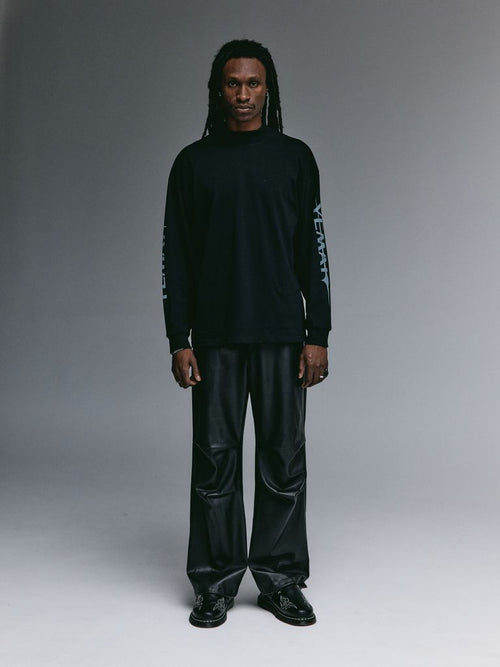
YEMAT prices sit where you can verify exactly what you are paying for. Every piece is designed in Australia, made in Portugal, and specified by fabric weight rather than hype.
| Piece | Price | Fabric | Best For |
|---|---|---|---|
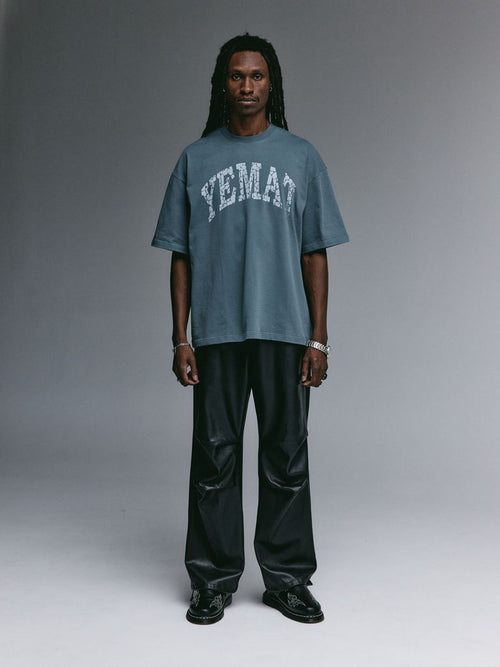
| Fracture Tee | $145 | 240 GSM organic cotton double-jersey | Everyday heavyweight staple |
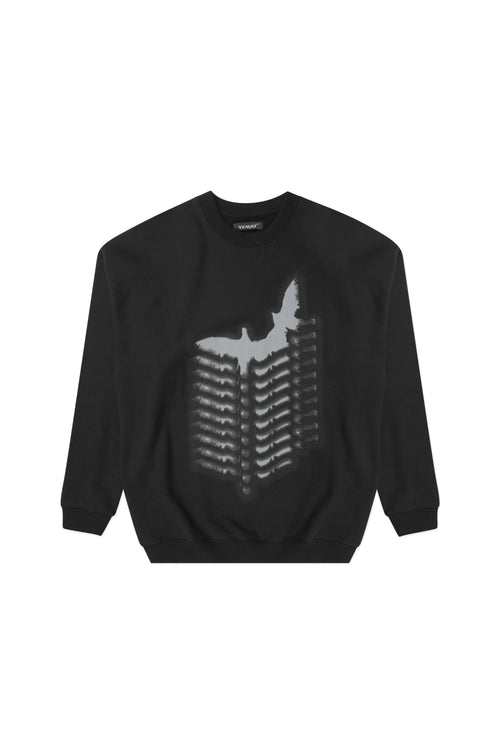
| Airbrush Tee | $185 | 240 GSM organic cotton double-jersey | Graphic statement piece |
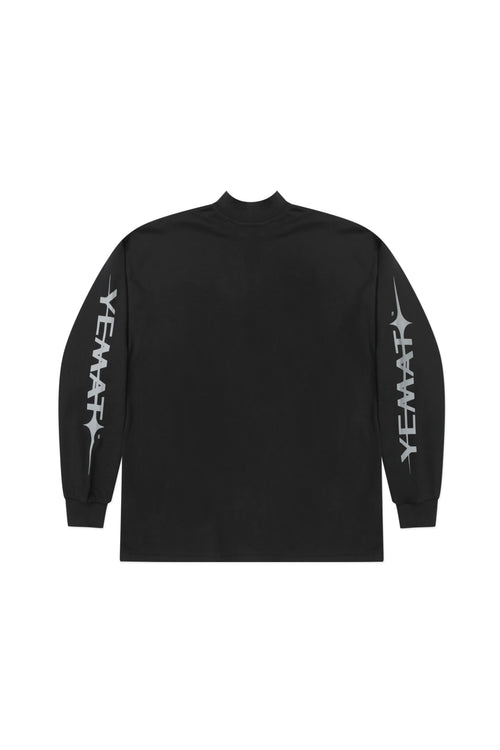
| Velvet Tee Black | $195 | 240 GSM organic cotton double-jersey | Widest boxy cut |
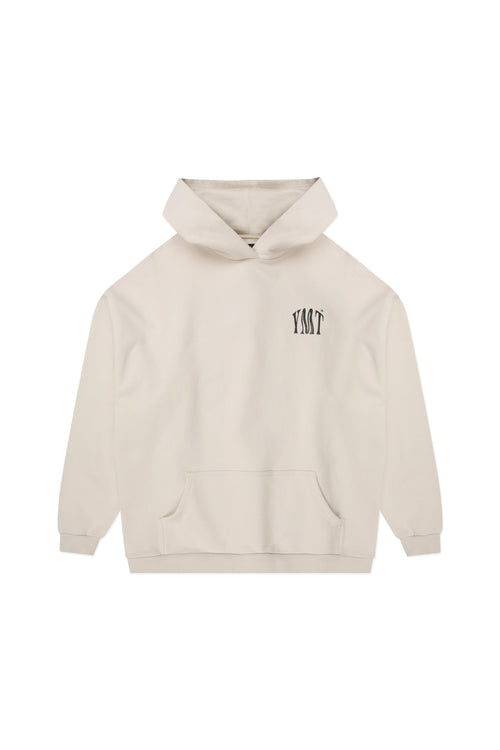
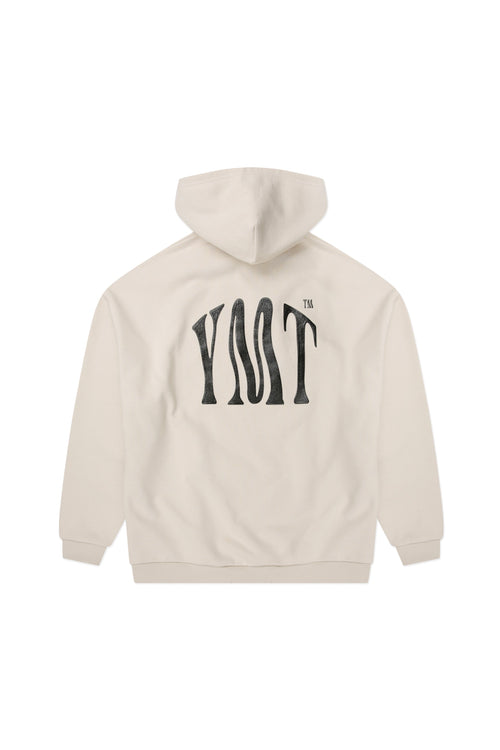
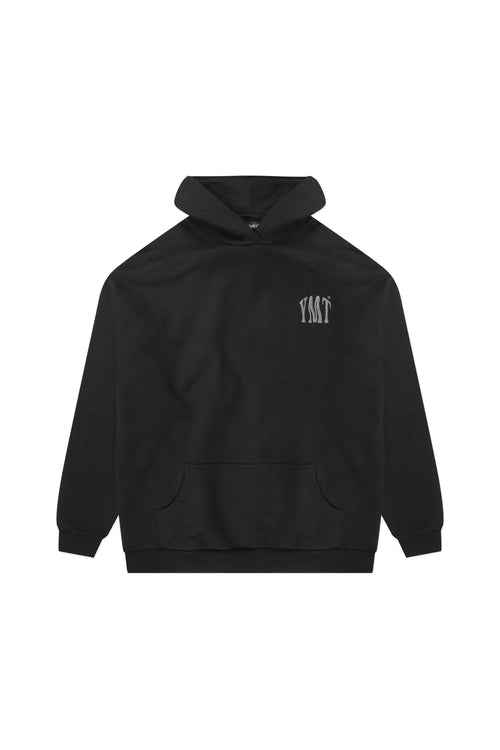
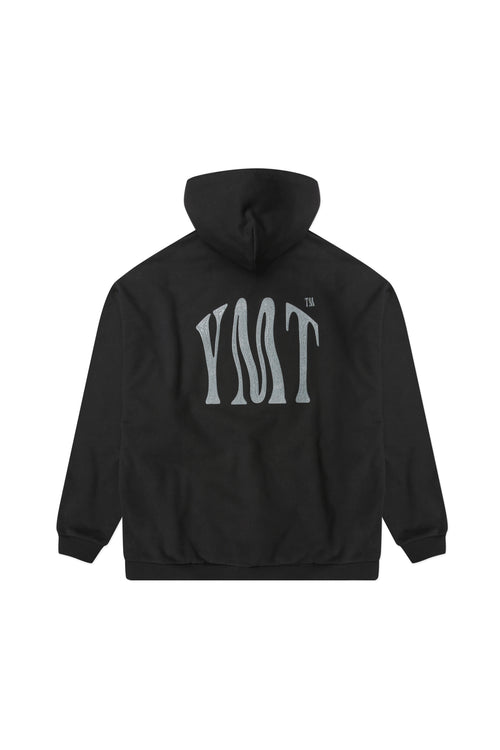
| Force Hoodie (Black or Beige) | $295 | 450 GSM brushed organic cotton fleece | Cold-weather layering |
Common Myths About Expensive Streetwear (And What the Data Says)
The biggest myth is that price equals quality; the second is that expensive streetwear is only for hypebeast styling. Neither holds up. The useful exercise is identifying where additional spend stops buying durability and starts buying status, the diminishing returns threshold.

The Diminishing Returns Threshold, Defined
There is a ceiling. Once construction, fabric weight and fit are genuinely solved, additional spend buys branding, scarcity and status rather than measurable durability. That is the diminishing returns threshold, and it typically sits where a garment already uses dense natural fibres, reinforced seams and shape-holding ribbing. A garment at or above the threshold will have:
- A stated fabric weight at or above 240 GSM for jersey and 400 GSM for fleece
- Twin-needle or cover-stitch hems and sleeves
- Ribbed collars with elastane content that recover their shape
- Straight side seams from cut-and-sewn construction
- A named fibre composition and, ideally, a named manufacturing origin
Myth: It Will Shrink Unpredictably
Organic cotton shrinkage is a function of how the fabric is finished and how you wash it, not the fibre itself. Cold wash and hang dry, and a well-finished heavyweight knit holds its measurements. Heat and mechanical agitation cause cotton fibres to contract and relax, and a fabric that has been pre-shrunk or compacted during finishing has already done most of that movement before it reaches you.
Myth: I Will Miss Out on Every Drop
Limited-edition drops are a feature of small-batch production, not a trap. Core pieces are built to be wardrobe staples, not one-off collectibles. The scarcity is real, a run of a few hundred pieces cannot be inspected the way a run of fifty thousand can, but it is a production constraint, not a psychological lever.
Myth: It Is Only for Streetwear Culture
A heavyweight plain tee or structured hoodie works in a corporate wardrobe precisely because it is plain: the fabric does the work, not the logo. The same construction signals that make a piece durable, dense knit, straight seams, twin-needle hems, also make it read as considered rather than casual.
Myth: The Resale Market Proves It Is an Investment
Resale value reflects scarcity and brand equity, not durability. Buy for cost-per-wear and treat any resale upside as a bonus, not a strategy. A hyped piece on thin fabric can resell above retail; a beautifully constructed piece from an unknown brand may not resell at all. If you want an investment, buy assets designed to be investments.
A Decision Framework You Can Apply in the Shop
Run these four questions in order before you buy any expensive piece:
- Does it pass the five construction checks? Collar recovery, straight side seams, twin-needle hems, opacity, fibre memory. If it fails two or more, stop.
- Is the GSM stated? A brand quoting "premium cotton" without a fabric weight is telling you nothing. Anything at or above 240 GSM for jersey and 400 GSM for fleece is genuinely heavyweight.
- What is the realistic cost-per-wear? Divide the price by the number of times you will actually wear it before it fails, and compare that against your fast-fashion alternative.
- Is the remaining spend buying durability or status? If the garment passes checks one to three, any additional spend is buying branding, scarcity or status, fine, as long as you know that is what you are paying for.
Conclusion: How to Decide If Expensive Streetwear Is Worth It for You
The honest answer is that expensive streetwear is worth the price when the cost-per-wear beats your fast fashion alternative and the construction is verifiable. It is not worth it when you are paying for a logo on thin fabric. Check the GSM, the stitching and the fibre. If those three hold up, the price is doing real work.
Frequently Asked Questions
What is the 3-3-3 rule for clothing, and does it apply to expensive streetwear?
The 3-3-3 rule suggests buying pieces you can wear three ways, for three seasons, for at least three years. For expensive streetwear, this framework helps you assess cost-per-wear before buying. A $295 hoodie worn twice a week for three years (about 312 wears) costs about 95 cents per wear. A $60 fast fashion hoodie worn twice a week and replaced every six months (about 52 wears) costs roughly $1.15 per wear, and you buy it again twice a year. The rule works when the garment actually holds up, which depends on fabric weight and construction quality.
Is it worth buying expensive clothing if I mostly work in a corporate office?
Expensive streetwear works in corporate settings when you choose minimal, structured pieces without loud graphics. A heavyweight oversized tee in a solid colour layers under a blazer or wears alone on casual Fridays. The key is fabric weight: 240 GSM cotton holds its shape and looks intentional, while thin fast fashion tees look sloppy after a few washes. Focus on neutral colours and clean silhouettes for office versatility.
What defines a premium streetwear garment in terms of GSM?
For t-shirts, premium streetwear typically starts at 200 GSM and goes up to 260 GSM. YEMAT uses 240 GSM organic cotton double-jersey, which gives the shirt structure and opacity without feeling stiff. For hoodies, premium weight starts around 400 GSM; YEMAT's Force Hoodie uses 450 GSM brushed organic cotton fleece. Anything under 180 GSM for a tee or 300 GSM for a hoodie tends to lose shape and show wear faster.
Does higher price always equate to better durability in streetwear?
No. Price reflects brand equity, marketing, and retail markup as much as construction. The durability markers that matter are fabric weight, stitch density, and fibre quality. A 240 GSM organic cotton tee with twin-needle stitching will outlast a 180 GSM shirt regardless of logo. Look for specific specs like fabric weight, material composition, and manufacturing origin rather than assuming price equals longevity. Cost-per-wear over three years is a more honest metric.
How much will a heavyweight organic cotton tee actually shrink?
Shrinkage depends on how the cotton is pre-treated and how you wash it. YEMAT recommends cold wash and hang dry, which keeps shrinkage to a minimum on 240 GSM organic cotton double-jersey. Hot water and tumble drying cause most shrinkage in organic cotton, sometimes up to 8%. If you follow the care label, a YEMAT tee should keep its cut line. They also offer free 14-day size exchanges if the fit is not right after washing.
Deciding whether a garment earns its place in your wardrobe is a calculation, not a leap of faith, and YEMAT builds pieces that make the maths easy. Every YEMAT garment is made from heavyweight organic cotton, designed in Australia and crafted in northern Portugal, with free express shipping and free 14-day size exchanges so you can verify the fit yourself. Get started with YEMAT and build a wardrobe that breaks in rather than wears out.
