
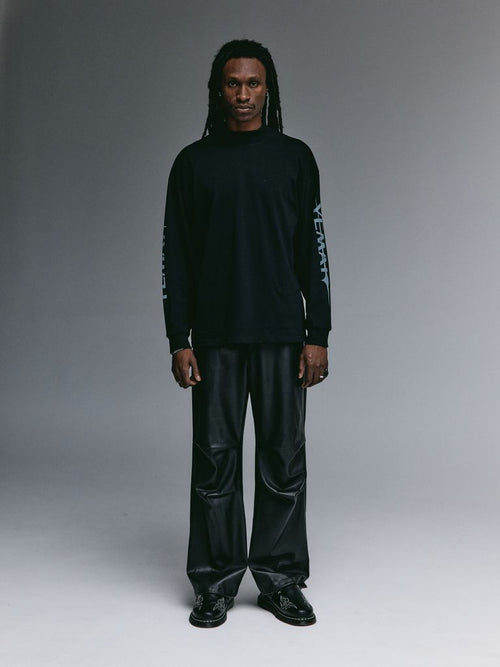


Best Heavyweight Streetwear Tees 2026: Top 4 Picks


Buy Premium Heavyweight Cotton Hoodie: 2026 Guide

5 Alternatives to Fast Fashion Streetwear Brands

Why Do Luxury T-Shirts Lose Shape? The Real Science
Table of Contents
- What Separates a Heavyweight Tee From a Basic One
- Quick Comparison: The Best Heavyweight Streetwear Tees
- 1. Velvet Tee Black: The Widest Cut in the Collection
- 2. Velvet Tee White: Boxy Structure With a Raised Logo
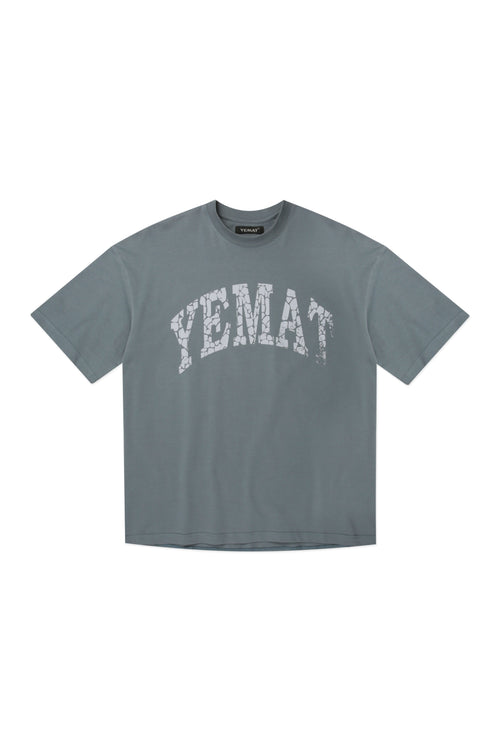
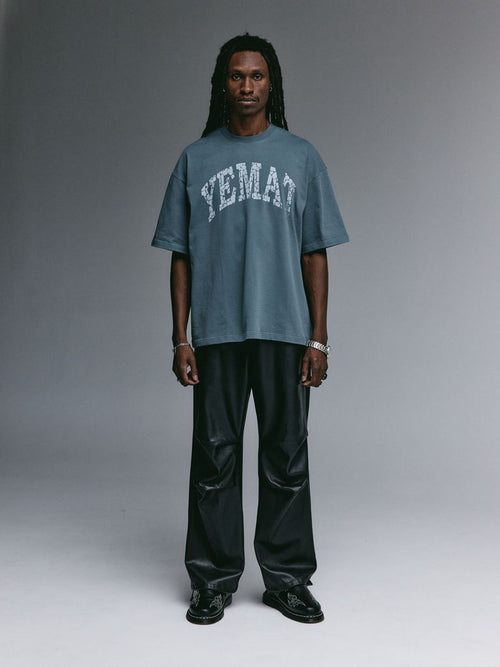
- 3. Fracture Tee: Deep Teal Colour at an Entry Price
- 4. Airbrush Tee: Graphic Detail That Sits in the Fabric
- What Is GSM in Clothing? The Number That Decides Everything
- Heavyweight vs Lightweight Cotton T-Shirts: The Real Differences
- Frequently Asked Questions
Last Updated: September 14, 2026
What Separates a Heavyweight Tee From a Basic One
A heavyweight tee is a t-shirt knit from dense, high-GSM cotton that holds its own shape instead of collapsing at the shoulder or twisting at the hem. The difference is structural, not cosmetic, and it shows the moment you pick the garment up.
This guide from YEMAT covers the four best heavyweight streetwear tees in our 2026 collection, why fabric weight matters more than branding, and how to tell a genuinely dense knit from a thin shirt with a thick price tag.
Most shoppers judge a tee by how it looks on a hanger. That is the wrong test. Weight, knit density and hem construction decide whether a shirt survives fifty washes or turns into a rag by month three. Below, we break down the construction numbers that actually matter.

Quick Comparison: The Best Heavyweight Streetwear Tees
Every pick below is cut from 240 GSM organic cotton double-jersey, designed in Australia and made in Portugal. Prices are in Australian dollars.
| Tee | Price | Colour | Neckline | Best For |
|---|---|---|---|---|
| Velvet Tee Black | A$195 | Black | Standard crew | Widest cut, statement layering |
| Velvet Tee White | A$195 | White | Standard crew | Clean contrast, boxy structure |
| Fracture Tee | A$145 | Deep teal | Standard ribbed crew | Entry price, colour-led fits |
| Airbrush Tee | A$185 | White | Semi-high crew | Graphic detail, tucked styling |
1. Velvet Tee Black: The Widest Cut in the Collection
The Velvet Tee Black is the widest cut YEMAT makes, and it runs a full size large. Size down if you want the fit shown on the model.

Cut wide and square through the body with a dropped shoulder, it uses 240 GSM organic cotton double-jersey: dense, smooth-faced, and finished with ribbing that keeps its shape. The velvet logo sits as a soft raised detail rather than a flat print.
Where it falls short: that width is a commitment. If you prefer a closer silhouette, this is not the shirt for you.
Textile Exchange organic cotton market report
2. Velvet Tee White: Boxy Structure With a Raised Logo
The Velvet Tee White is the same 240 GSM double-jersey construction as the black, cut boxy and oversized with a dropped shoulder. The difference is contrast: a white ground makes the raised velvet logo read as texture, not just branding.
Dense and smooth-faced, it holds a square line through the torso instead of draping. That structure is what makes it work under an open overshirt or a structured jacket.
The honest limitation is upkeep. White cotton at this weight shows marks sooner than black, and the care rules are strict: cold wash, hang dry, no bleach, no iron on the velvet areas.
3. Fracture Tee: Deep Teal Colour at an Entry Price
At A$145, the Fracture Tee is the entry point into the range without dropping fabric weight. It is 240 GSM 100% organic cotton double-jersey in a deep teal blue-green, cut loose through the body with a standard ribbed crew neck and a dropped shoulder.

The collar ribbing is the detail worth noting. It is built to hold shape wash after wash, which is where cheaper tees fail first.
One caveat: the deep teal is a colour statement.
4. Airbrush Tee: Graphic Detail That Sits in the Fabric
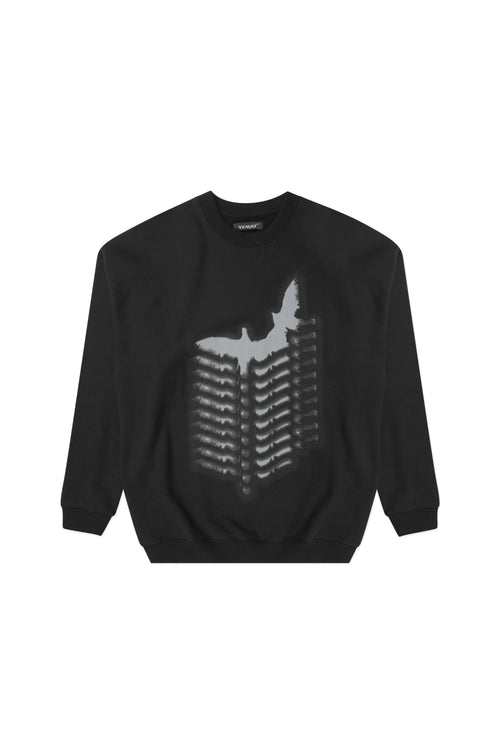
The Airbrush Tee carries the airbrushed Y graphic sprayed into the cotton rather than printed on top of it, so the edge dissolves into the fabric the way real airbrush does. That is a genuine construction difference, not a marketing line.

It uses 240 GSM 100% organic cotton double-jersey with a semi-high ribbed crew neck, cut wide and square with a pronounced dropped shoulder. Runs a full size large, so size down for the fit shown.
The semi-high neck is a specific look. If you want a standard crew, the Velvet Tees are the better call.
What Is GSM in Clothing? The Number That Decides Everything
GSM in clothing means grams per square metre, the standard measure of fabric density. A higher GSM means more cotton per square metre, which produces a heavier, more structured garment. It is the single most comparable number across brands, because it is measured the same way regardless of who is selling the shirt.
For context, most basic tees sit in the 140-160 GSM range (textileexchange.org). Mid-weight streetwear tees tend to land between 180 and 220 GSM. A 240 GSM double-jersey, like the fabric used across this collection, is roughly half again as dense as a standard basic tee, which is why it holds a boxy line instead of clinging. Above 240 GSM you move into territory that behaves more like a light sweatshirt than a t-shirt, and the drape stiffens noticeably.
What the numbers actually feel like
- 140-160 GSM: Thin, semi-transparent in white, collapses at the shoulder within a season. Typical of promotional and fast-fashion tees.
- 180-220 GSM: Mid-weight. Holds a shape for a while, still drapes close to the body, still shows outline in lighter colours.
- 240-280 GSM: Heavyweight territory. Stands away from the torso, opaque in white, keeps the line it was cut with. This is where the tees in this guide sit.
- 300 GSM and above: Sweatshirt-adjacent. Structurally impressive but often too stiff for a t-shirt silhouette, and slow to break in.
Why GSM is not the whole story
Two shirts at the same GSM can behave completely differently depending on how the yarn is spun and how the fabric is knitted. A double-jersey knit, two interlocked layers of cotton, is denser and more stable than a single jersey at the same weight, which is why a 240 GSM double-jersey holds a square hem better than a 240 GSM single jersey. Yarn length matters too: longer-staple cotton spins into a smoother, stronger thread that resists pilling, while shorter staple cotton at the same GSM feels rougher and breaks down faster.
That is the trap with GSM-only marketing. A brand can hit a headline number with a coarse, short-staple yarn and still produce a shirt that twists at the hem after ten washes. The number is a starting filter, not a verdict.
How to check GSM before you buy
Most reputable brands publish GSM on the product page. If a brand does not publish it, assume the fabric is light, there is no commercial reason to hide a heavyweight number. If you are shopping in person, the test is simple: pick the shirt up by the shoulder seam and let it hang. A dense knit holds a straight line under its own weight; a thin knit folds and flops. Then hold it up to a light source. At 240 GSM in white, you should not be able to read text through the fabric.
Heavyweight vs Lightweight Cotton T-Shirts: The Real Differences
Heavyweight and lightweight cotton t-shirts differ in structure, drape, opacity and lifespan. Lightweight cotton drapes close to the body and shows outline; heavyweight cotton stands away from the torso and keeps the line it was cut with. That difference compounds over time. A thin knit loses its neckline and hem within a season. A dense double-jersey softens with every wash while holding its shape, which is why heavyweight pieces break in rather than wear out.
Shrinkage: the real reason heavyweight cotton gets a bad reputation
Most of the fear around heavyweight cotton shrinking comes from a genuine mechanism, not a myth. Cotton fibres relax and contract when they meet heat and agitation, and the denser the knit, the more total fibre there is to move. A 240 GSM double-jersey can lose noticeably more length in a hot wash and tumble dry than a 150 GSM basic tee, not because the fabric is worse, but because there is more of it.
The good news is that shrinkage in heavyweight cotton is largely preventable, and the fix is boring. Cold water (30°C or below) keeps the fibres relaxed. Line drying or flat drying removes the mechanical agitation that drives contraction. A warm iron on the reverse side, if you iron at all, does far less damage than a hot dryer cycle.
Long-term fit retention: what to look for in construction
Shrinkage is only half the fit story. The other half is whether the shirt keeps its cut after the fabric has settled. Three construction details decide this:
- Collar ribbing. A ribbed crew neck with enough elastane to recover will hold its shape for years. A self-fabric collar, the same cotton as the body, folded over, stretches out and gapes within months. This is the first place a cheap tee fails.
- Twin-needle hems. Sleeve and bottom hems stitched with two parallel rows of thread resist the rolling and twisting that single-stitch hems develop. Turn the shirt inside out and look at the hem: two lines of stitching, not one.
- Side seams. Straight, properly aligned side seams keep the torso square through the wash cycle. If the side seam twists toward the front after a few washes, the fabric was cut off-grain and no amount of careful washing will fix it.
Opacity, warmth and layering
Opacity is the most immediate practical difference. A 150 GSM white tee is effectively semi-transparent in daylight; a 240 GSM white tee is opaque without a base layer. That matters if you wear white as a standalone piece rather than under something.
Warmth follows density. A heavyweight tee holds more air between fibres, so it insulates more than its thickness suggests. In a temperate climate this makes a 240 GSM tee useful as a mid-layer under an overshirt or jacket in cooler months without adding bulk.
How to wash heavyweight cotton tees
Cold wash, hang dry, skip bleach, and never iron any raised or velvet detailing. Wash heavyweight tees inside out to protect any surface finish, and avoid overloading the machine, dense fabric needs room to move so it rinses properly. Treat them this way and the fabric softens without collapsing.
Australian Competition and Consumer Commission clothing care labelling guidance
Frequently Asked Questions
What does GSM mean in streetwear t-shirts?
GSM stands for grams per square metre, a measure of fabric density. A 240 GSM organic cotton double-jersey, like the YEMAT Velvet Tee, sits firmly in heavyweight territory. Standard fast-fashion tees usually land between 140 and 180 GSM, which is why they feel thin and lose shape quickly. Higher GSM means more cotton per square metre, giving the garment structure, opacity and a longer lifespan.
Is 250 GSM considered a heavyweight t-shirt?
Yes. Most industry guides place heavyweight tees at 200 GSM and above, with 240 to 260 GSM being the sweet spot for streetwear. A 240 GSM double-jersey holds a boxy cut without feeling stiff, drapes cleanly and stays opaque. Anything above 300 GSM starts to feel more like fleece than jersey, which is why heavyweight tees rarely exceed 260 GSM.
How do I care for heavyweight cotton garments to prevent shrinking?
Cold wash and hang dry. Hot water and tumble drying are the two biggest causes of shrinkage in organic cotton. Turn the tee inside out, use a gentle cycle, and avoid bleach entirely. If you must iron, keep the heat low and skip any raised or velvet logo areas. Following these steps keeps a 240 GSM tee true to its cut wash after wash.
What is the difference between boxy and slim-fit heavyweight tees?
A boxy cut runs wide and square through the body with a dropped shoulder, creating a relaxed silhouette that suits layering. A slim-fit tee follows the torso more closely with set-in shoulders. Heavyweight fabric works best with a boxy or oversized fit because the density holds the shape rather than clinging. The Velvet Tee Black is the widest cut in the collection and runs a full size large, so size down for a closer fit.
Why choose organic cotton for heavyweight streetwear?
Organic cotton is grown without synthetic pesticides and tends to have a longer staple fibre, which means less pilling and a softer hand-feel over time. In a 240 GSM double-jersey, organic cotton also holds colour better and resists the surface fuzz that cheaper blends develop after a few washes. The result is a tee that breaks in and softens rather than wearing out.
Heavyweight cotton only pays off if the construction behind the fabric weight is real. YEMAT builds each tee from 240 GSM organic cotton double-jersey, designed in Australia and made in northern Portugal, with ribbed collars, twin-needle stitching and hems engineered to hold their line. Free 14-day size exchanges and free express shipping take the risk out of getting the fit right the first time. Shop YEMAT's 240 GSM t-shirts and start with a tee built to break in, not wear out.
