
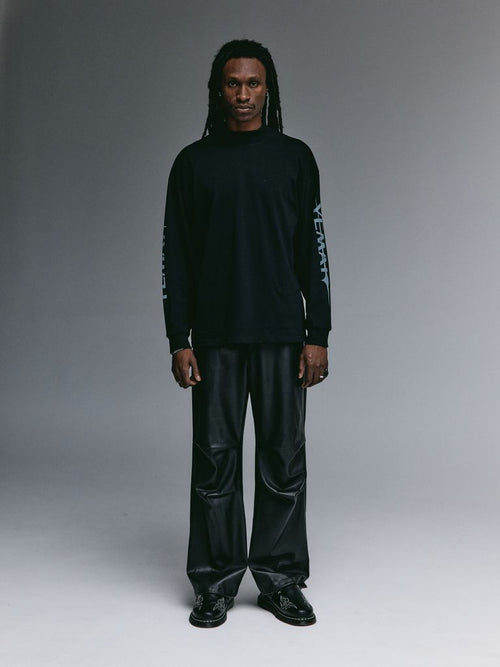


Buy Premium Heavyweight Cotton Hoodie: 2026 Guide


5 Alternatives to Fast Fashion Streetwear Brands

Why Do Luxury T-Shirts Lose Shape? The Real Science

Styling Heavyweight Tees for Office Wear
Table of Contents
- What Separates a Premium Heavyweight Cotton Hoodie From Fast Fashion
- What Is GSM in Clothing and Why It Decides Everything
- Fit Styles: Oversized, Boxy, and Regular Cuts
- How to Wash Heavyweight Cotton Without Losing Shape
- Best Heavyweight Hoodie Brands and What to Look For
- Layering Mechanics and Seasonal Versatility
- Conclusion: Investing in a Hoodie That Breaks In, Not Wears Out
- Frequently Asked Questions
Last Updated: September 13, 2026
What Separates a Premium Heavyweight Cotton Hoodie From Fast Fashion
Walk into any fast fashion store and you'll find hoodies that look the part on a hanger. Pick one up and the illusion collapses. The fabric feels thin, the hood flops forward, and within a month the shape has sagged into something you'd only wear to take the bins out. A premium heavyweight cotton hoodie is built on the opposite principle: density, structure, and construction that hold their line.
At YEMAT, we design heavyweight garments in Australia and have them crafted in northern Portugal, and the difference starts with the cloth itself. Fabric density, measured in grams per square metre, determines how a hoodie drapes, how warm it runs, and how long it survives. Everything else follows from that number.

Fabric Density and Garment Weight
Fast fashion hoodies typically use thin, loosely knitted fabric that keeps production costs down. The trade-off is visible: light fabric collapses at the shoulders, pills quickly, and loses shape after a handful of washes. Heavier fabric resists all three because there's simply more cotton per square metre holding the structure together.
Construction Quality: Stitching, Hems, and Hardware
Look at the seams before you look at the logo. Double-needle stitching along the shoulders and hem, a double-layer hood that stands up on its own, and ribbed cuffs that snap back into shape are the marks of a garment built to last. Weak single-stitch seams and flimsy drawstrings are where fast fashion cuts corners.
What Is GSM in Clothing and Why It Decides Everything
GSM stands for grams per square metre, and it measures how much fabric weighs across a standard area, effectively, how much cotton has been packed into every square metre of cloth. In practical terms, GSM is the single best predictor of how a hoodie will feel, drape, and wear over time. A higher GSM means denser fabric, more thermal insulation, and better structure.
The Mechanism Behind the Number
GSM isn't just a weight, it's a proxy for three things happening at once in the knit. First, yarn density: heavier fabric uses more yarn per square metre, which means more fibres interlocking and less air between them. Second, loop tightness: a denser knit pulls each loop closer to its neighbour, which is why a 450 GSM fleece resists pilling while a 250 GSM one fuzzes within weeks. Third, thermal mass: more cotton per square metre holds more still air, and still air is what actually keeps you warm. That's why a heavyweight hoodie feels warm without being bulky, the insulation is in the density, not the thickness.
The trade-off is breathability and drying time. A 450 GSM hoodie takes longer to air-dry than a 250 GSM one, and it holds more heat in a warm room (textileexchange.org). That's not a flaw; it's the cost of structure. If you run hot or live in a humid climate, a 350-400 GSM fabric is often the better balance.
GSM Ranges: From Lightweight to Ultra-Heavy
- Under 250 GSM: Lightweight. Fine for summer basics, poor for structure.
- 250-350 GSM: Midweight. Common in standard retail hoodies.
- 350-450 GSM: Heavyweight. Dense, warm, and holds a boxy cut.
- 450 GSM and above: Ultra-heavy. Maximum structure and thermal insulation.
YEMAT's Force Hoodie sits at 450 GSM, made from brushed organic cotton fleece. The Textile Exchange organic cotton standards explain why organic cotton matters here: longer staple fibres spin into stronger yarn, which is exactly what dense fabric needs.

| GSM Range | Weight Class | Best For | Structure |
|---|---|---|---|
| Under 250 | Lightweight | Summer layering | Low |
| 250-350 | Midweight | Everyday wear | Moderate |
| 350-450 | Heavyweight | Streetwear, winter | High |
| 450+ | Ultra-heavy | Maximum warmth | Very high |
Visual GSM Comparison: What 300, 400 and 500 GSM Actually Look Like
Numbers are abstract until you see them side by side. Picture three hoodies on the same hanger, photographed in the same light:
- 300 GSM: The fabric drapes with visible folds at the chest. The hood collapses forward when unstrung. Held up to a window, light passes through the single-layer body. This is the weight of a standard retail hoodie.
- 400 GSM: Folds are broader and fewer. The hood holds a soft peak but still slumps at the crown. Light through the body is dim but visible. This is the entry point for a genuine heavyweight.
- 500 GSM: The body reads almost as a slab, folds are shallow and wide, and the hem sits out from the body rather than clinging. The hood stands on its own. Held to a window, the fabric blocks almost all light. This is ultra-heavy territory, and it's where structure becomes the dominant characteristic.
A quick at-home test: hold the fabric up to a bright window. The more light comes through, the lower the GSM. It won't give you a number, but it will tell you instantly whether a hoodie is genuinely heavyweight or just marketed as one.
Fit Styles: Oversized, Boxy, and Regular Cuts
Fit is where heavyweight fabric earns its keep. An oversized fit with drop shoulders relies on dense cloth to hold the silhouette instead of collapsing inward. A boxy cut uses a wider body and shorter length to create a squared frame. Regular cuts sit closer to the body and suit layering under a jacket.
Heavyweight fabric is essential for oversized and boxy styles. Thin cotton in a dropped-shoulder cut looks like a hand-me-down. The same cut in 450 GSM fleece reads as intentional design.
How to Wash Heavyweight Cotton Without Losing Shape
Wash heavyweight cotton inside out in cold water, on a gentle cycle, and dry it flat or on low heat. Heat is the enemy: hot water and a hot dryer shrink cotton fibres and break down the brushed fleece interior that gives a hoodie its hand-feel.
- Turn the garment inside out before washing
- Use cold water and a gentle cycle
- Skip fabric softener, which coats fibres and reduces breathability
- Dry flat or tumble on low
- Fold rather than hang to protect the shoulders
Shrinkage and Long-Term Fit Retention
Shrinkage is the number one complaint about premium cotton, and it's a fair one. Cotton relaxes and contracts with heat, so a hoodie washed hot can lose length in the body and sleeves. Cold washing and low drying keep shrinkage minimal, and a well-constructed garment should hold its cut for years rather than months. This is why YEMAT garments are engineered to maintain shape and soften with age, not distort.
Best Heavyweight Hoodie Brands and What to Look For
Judge a brand by what it discloses, not what it claims. The best heavyweight hoodie brands publish their GSM, name their fabric composition, and explain where and how the garment is made. Vague language like "premium quality" with no numbers behind it is a red flag.
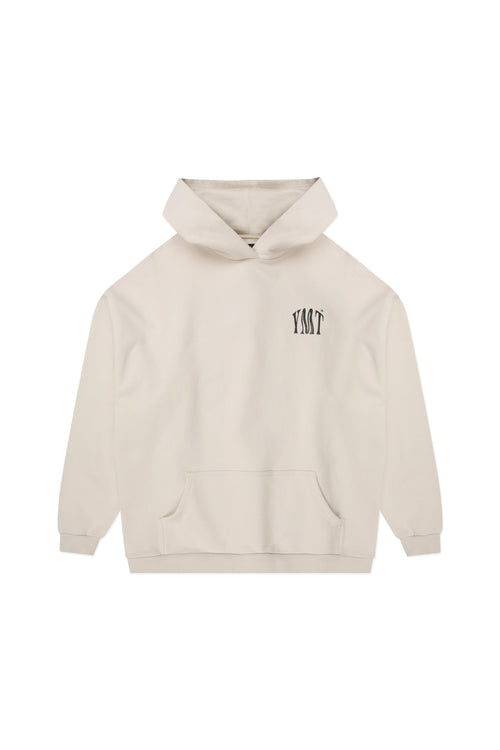
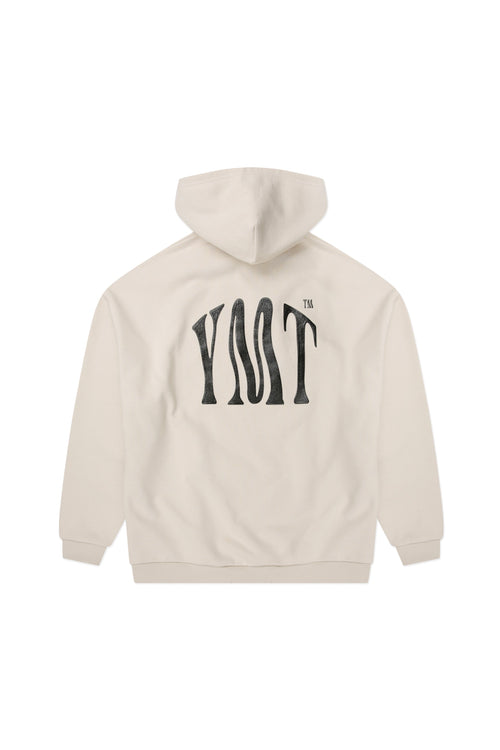
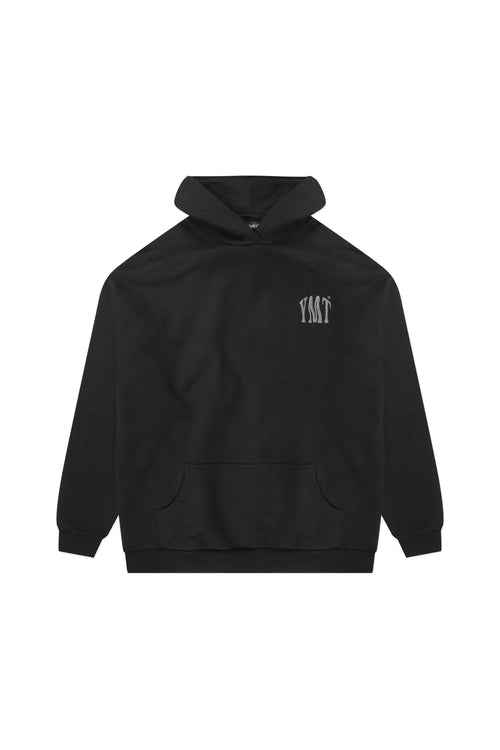
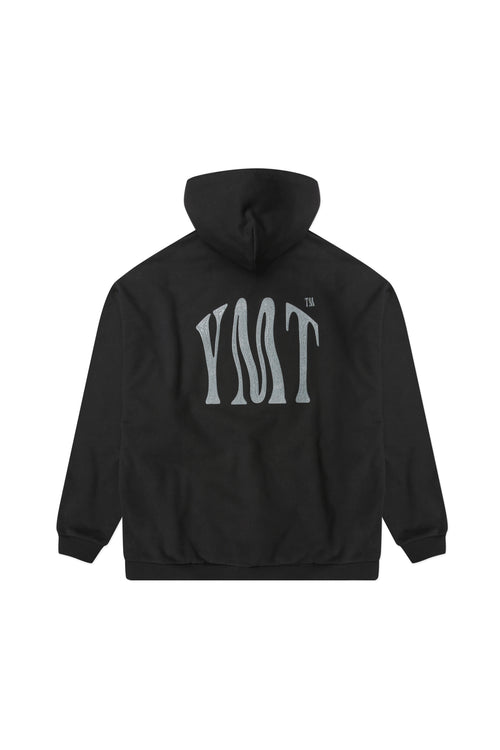
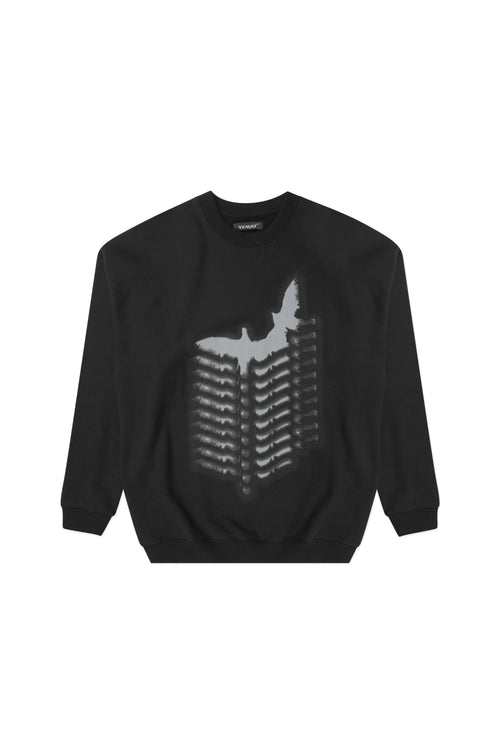
Look for cotton-rich blends or pure organic cotton, double-needle stitching, a double-layer hood, and ribbed cuffs that recover. YEMAT's Force Hoodie, available in black and beige, uses 450 GSM brushed organic cotton fleece with a dropped shoulder and a hood that holds its shape. Small-batch production keeps quality control tight, and the Australian Competition and Consumer Commission sets the consumer guarantees any purchase here is covered by.
Layering Mechanics and Seasonal Versatility
A heavyweight hoodie earns its price through range. Worn alone in autumn and spring, it handles cool mornings without a jacket. Layered under an overcoat in winter, its density adds warmth without bulk. The structure that makes it look good solo also means it sits cleanly under outerwear instead of bunching at the shoulders.
But "it layers well" is the easy claim. The mechanics of layering a 450 GSM garment without looking bulky are what actually determine whether you reach for it in winter or leave it on the shelf.
Why Heavyweight Fabric Layers Better Than Thin Fabric
Thin cotton bunches because it has no body of its own, it collapses into whatever folds the outer layer forces on it, creating lumps at the shoulders and chest. Dense fabric resists that compression. A 450 GSM hoodie holds a consistent thickness under a coat, so the outer layer drapes over a smooth surface rather than a crumpled one. The same density that gives the hoodie its shape solo gives it a predictable profile when layered.
The Three Rules of Layering a Heavyweight Hoodie
1. Match the outer layer's volume to the hoodie's. A 450 GSM hoodie needs an outer layer with enough room in the chest and shoulders to accommodate it. A slim overcoat will compress the hoodie and create strain lines across the back. Look for outerwear cut with a generous armhole and a chest measurement at least 8-10 cm larger than the hoodie's.
2. Keep the inner layer thin. The hoodie is your mid-layer. Underneath, wear a lightweight tee or a fine merino base, something under 200 GSM. A second heavy layer underneath defeats the purpose and adds bulk where you don't need it.
3. Let the hood sit outside the collar, not under it. Tucking a double-layer hood under a coat collar creates a lump at the neck and strains the collar seam. Wear the hood out, or choose outerwear with a collarless or low-collar design so the hood sits cleanly against it.
Seasonal Versatility: One Garment, Three Seasons
- Autumn and spring (alone): A 450 GSM hoodie handles cool mornings and evening drops without a jacket. The density traps enough warmth for 10-18°C conditions.
- Winter (layered): Under an overcoat or a roomy parka, the hoodie adds a mid-layer of insulation without the bulk of a down vest. The structure keeps the silhouette clean.
- Cool summer evenings: Worn open over a tee, the heavyweight fabric works as a light outer layer when a jacket would be too much.
What to Avoid
- Don't layer a 450 GSM hoodie under a tailored blazer, the volume mismatch will pull the jacket out of shape.
- Don't wear a heavyweight hoodie as a base layer under another hoodie; the combined bulk restricts movement and traps moisture.
- Don't size up on the hoodie to make layering easier, that shifts the shoulder seam off the shoulder and undermines the fit you paid for. Size the hoodie to fit solo, and size the outer layer to accommodate it.
Conclusion: Investing in a Hoodie That Breaks In, Not Wears Out
The real test of a premium hoodie isn't how it looks on day one. It's how it looks after a year of washing, wearing, and layering. Cheap fabric degrades; dense, well-constructed cotton softens and holds its line.
If you're ready to stop replacing hoodies every season, YEMAT builds garments designed to break in rather than wear out. The Force Hoodie pairs 450 GSM brushed organic cotton fleece with a double-layer hood and dropped shoulder, designed in Australia and crafted in northern Portugal in small batches. Get started with YEMAT and build a wardrobe that lasts.
SHOP THE HOODIE
Frequently Asked Questions
What does GSM mean in clothing and why does it matter for a heavyweight hoodie?
GSM stands for grams per square metre, a measure of fabric density. A standard hoodie sits around 280-350 GSM, while a premium heavyweight cotton hoodie often starts at 400 GSM and goes beyond 500 GSM. Higher GSM means more cotton per square metre, which translates to better structure, warmth, and durability. It also affects how the hoodie drapes and how well it holds its shape after repeated washing.
How should I wash a heavyweight cotton hoodie to prevent shrinkage?
Turn the hoodie inside out and wash it in cold water on a gentle cycle. Avoid hot water, which causes cotton fibres to contract. Skip the tumble dryer and instead lay the hoodie flat to dry in the shade. If you must use a dryer, choose the lowest heat setting. Following these steps keeps shrinkage minimal and preserves the fabric density that gives a heavyweight hoodie its structure.
What are the best heavyweight hoodie brands and what should I look for?
Look for brands that disclose fabric weight in GSM, specify the cotton type (organic or conventional), and describe construction details like double-needle stitching and ribbed cuffs. The best heavyweight hoodie brands also explain where the garment is made and how it is finished. YEMAT, for example, designs in Australia and manufactures in northern Portugal using 450 GSM organic cotton fleece, with small-batch production that maintains consistent quality.
Is a 450 GSM hoodie too heavy for everyday wear?
No. A 450 GSM hoodie is substantial but wearable across most seasons. It provides warmth without the stiffness of a 600 GSM piece, making it suitable for layering over a tee or under a jacket. The brushed fleece interior adds insulation while the cotton-rich blend allows breathability. For mild to cool weather, a 450 GSM heavyweight cotton hoodie works as a standalone outer layer or a mid-layer in colder months.
