

Why Heavyweight Organic Cotton Lasts Longer


Kith vs Fear of God Quality: A 2026 Comparison

Best Heavyweight Cotton T-Shirt Brands

Best Geedup Alternatives for Premium Basics
Table of Contents
- Durability Starts with the Fabric, Not the Label
- What Is GSM in Clothing and Why It Matters for Longevity
- Fiber Integrity: The Hidden Advantage of Organic Cotton
- Benefits of Organic Cotton Clothing Beyond the Label
- How to Wash Heavyweight Cotton Tees Without Breaking Them Down
- Cost-Per-Wear: The Real Math Behind Premium Garments
- The Bottom Line on Heavyweight Organic Cotton
- Frequently Asked Questions
Last Updated: September 8, 2026
Durability Starts with the Fabric, Not the Label
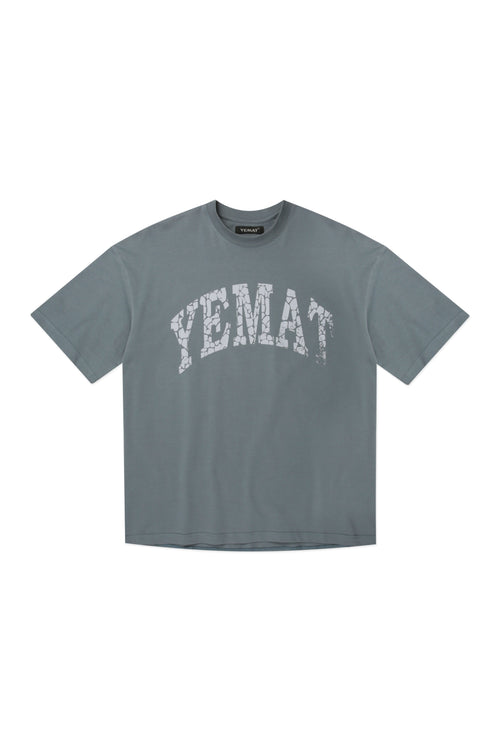
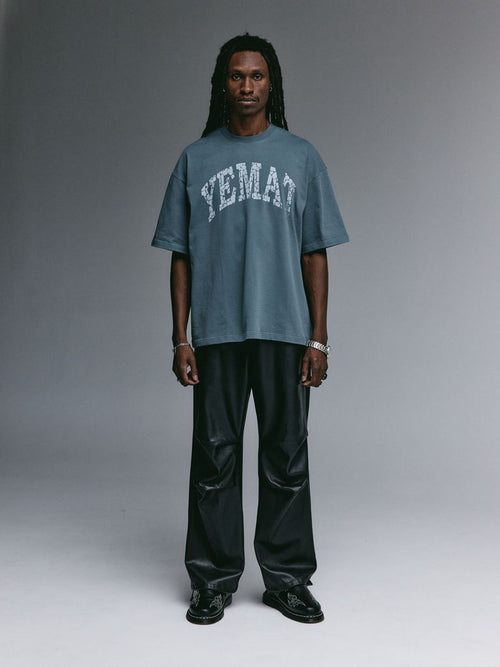
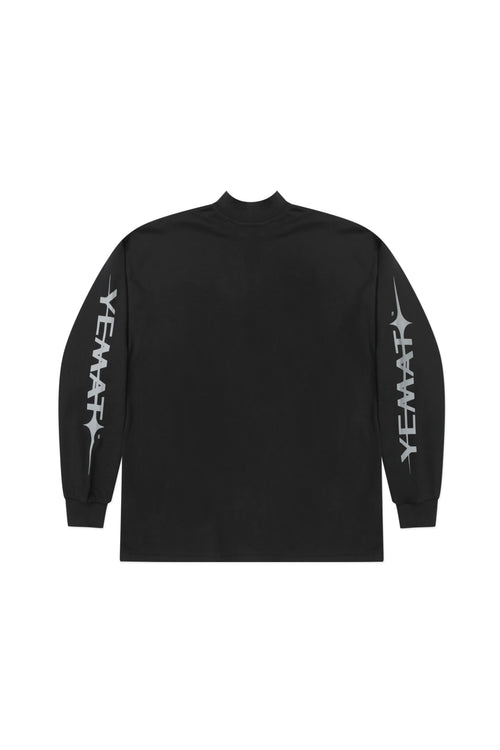
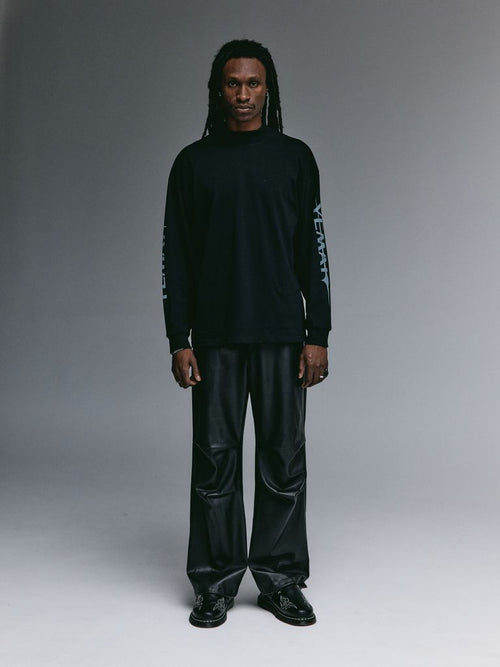
Most people assume a premium price tag guarantees a tee will hold its shape. The reality is that why heavyweight organic cotton lasts longer comes down to measurable properties in the fabric itself, not branding. At YEMAT, garments are designed with longevity in mind, focusing on the physical characteristics of the fabric.
The difference between a tee that collapses after ten washes and one that holds its line for years comes down to two quantifiable factors: how densely the fabric is woven and the quality of the raw fibre. Both explain why heavyweight organic cotton outperforms lighter conventional alternatives.
Below, we break down the technical specifications that decide garment longevity, from GSM ratings to fibre staple length.
What Is GSM in Clothing and Why It Matters for Longevity
GSM, or grams per square metre, is the standard measurement of fabric weight. It tells you exactly how much cotton fibre is packed into every square metre of cloth. For context, a standard lightweight t-shirt from a fast-fashion retailer typically falls between 120 and 150 GSM. A mid-weight garment sits around 170 to 190 GSM. Heavyweight organic cotton begins at 200 GSM, but the most durable everyday pieces are found at 240 GSM for jersey and 450 GSM for fleece.
Weight is the first predictor of longevity: a higher GSM fabric has more fibre to resist stretching and withstand repeated friction. But GSM alone does not tell the whole story, weave structure and yarn quality matter just as much. A 240 GSM fabric with a tight, compact knit will outperform one with a loose, open structure, which is why two garments with the same GSM can age completely differently.
The Technical Difference Between 240 GSM and 450 GSM
The jump from 240 GSM to 450 GSM is not just a matter of adding more cotton. It represents a fundamental shift in how the fabric behaves and how it must be constructed.
At 240 GSM, jersey is dense enough to hold its shape through repeated wear and washing, yet retains enough open space between the loops to remain breathable. This makes it the sweet spot for t-shirts that transition from a workday to a weekend without losing structure, resisting elbow bagging and collar distortion.
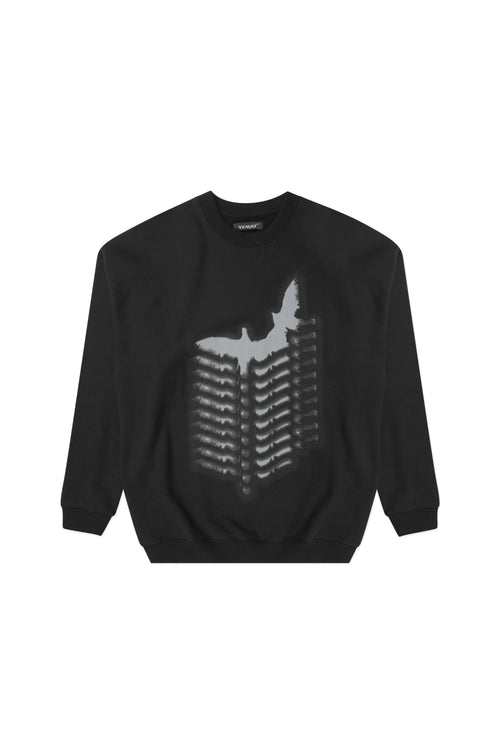
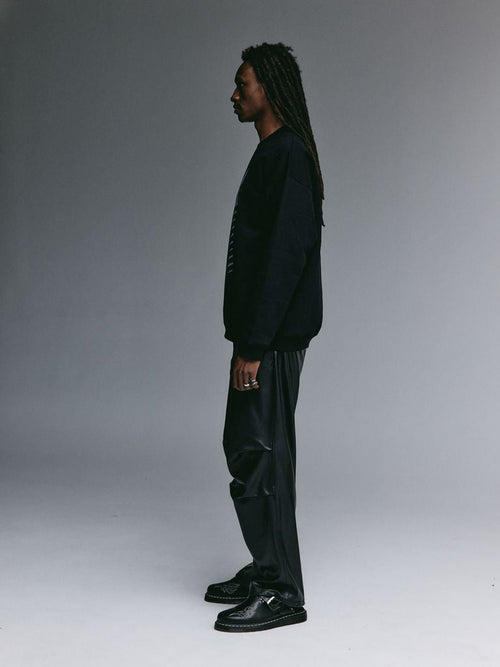
At 450 GSM, fleece enters a different category. The knit density creates a rigid, structured silhouette that stands away from the body and holds its architectural line at the shoulders and hem. The trade-off is breathability: a 450 GSM fleece is designed for insulation and performs best when temperatures drop below 15 degrees Celsius.
You should not simply buy the heaviest option available; match the GSM to the garment's intended use. A 240 GSM tee suits a year-round staple, while a 450 GSM hoodie suits a structured outer layer, ensuring the garment is not over-engineered for one climate or under-built for another.
How Weave Density Affects GSM Perception
GSM measures weight, but weave density determines how that weight is distributed. Two fabrics can both weigh 240 GSM, yet one feels more robust because its yarns are packed tighter. The tightness of the knit, measured by stitches per inch, is just as important as GSM in predicting durability.
A tightly knitted 240 GSM fabric has fewer gaps between yarns, reducing the surface area exposed to friction and making it harder to snag or pill. A loosely knitted fabric of the same weight has more exposed yarn surface, accelerating wear at friction points. When evaluating a heavyweight garment, check not only the GSM label but also the knit density: hold the fabric up to the light, if you can see distinct gaps between yarns, it will likely wear faster than a denser alternative.
Textile industry standards on fabric weight classifications provide a baseline for comparing these tiers, but the most reliable test is in your hands. Feel the fabric, stretch it gently, and look at the tightness of the weave. These physical checks will tell you more about longevity than any marketing claim.
Fiber Integrity: The Hidden Advantage of Organic Cotton
The real reason why heavyweight organic cotton lasts longer is fibre quality, not just weight. Grown without synthetic fertilisers or pesticides, organic cotton develops at a natural pace, producing longer, stronger fibres that spin into smoother, more resilient yarns resistant to pilling and breaking.
Staple Length and Tensile Strength Explained
Staple length refers to the average length of individual cotton fibres. Organic cotton typically produces staple lengths of 30 to 40 millimetres, depending on the variety and growing conditions. Conventional cotton, particularly when harvested mechanically or grown with forced growth accelerants, often produces shorter staples in the 20 to 25 millimetre range.
The difference is not academic. Longer staples create a smoother yarn surface because fewer fibre ends protrude from the twisted strand, generating less friction against adjacent yarns and your skin. Less friction means less surface abrasion, so the fabric does not develop the fuzzy surface that precedes pilling.
Shorter staples, by contrast, create a yarn with many loose ends that catch on each other during washing and on rough surfaces during wear, tangling into pills. Once pilling begins, the fabric surface degrades rapidly because each pill pulls on surrounding fibres, loosening the yarn structure.
Tensile strength measures how much force a fabric withstands before tearing. Longer staple fibres interlock more effectively when spun into yarn, distributing stress across a greater length, giving organic cotton superior resistance to stretching, friction, and repeated washing.
Why Heavyweight Weaves Resist Pilling and Thinning at Friction Points
The combination of heavyweight density and long staple fibres creates a mechanical advantage at the points where garments typically fail first: the elbows, collar, and cuffs. These areas experience repeated friction against desks, chair arms, seatbelts, and bags. In a lightweight fabric, thin yarns and a loose weave mean friction abrades surface fibres quickly, thinning the fabric until a hole forms.
In a heavyweight fabric, thicker, denser yarns mean friction wears down the outermost fibres, but the underlying structure provides more material to wear through before the fabric fails. A 240 GSM jersey has roughly 60 percent more fibre mass than a 150 GSM tee, a reservoir of material that absorbs the mechanical wear of daily use.
The collar is a particularly telling test. A lightweight tee's collar is often the first area to stretch out because it is a folded, doubled layer experiencing constant tension from neck movement. In a heavyweight garment, the higher GSM means the folded layers resist stretching more effectively, as longer fibres and thicker yarns do not slide past each other as easily under tension.
The Role of Yarn Twist in Fabric Longevity
Another factor separating durable heavyweight cotton from cheaper alternatives is yarn twist. The number of twists per inch determines how tightly fibres are bound; a high-twist yarn holds fibres together more securely, reducing the protruding ends that cause pilling.
Premium heavyweight organic cotton is typically spun with a higher twist count than conventional alternatives, a measurable, though not visible, feature. A high-quality heavyweight tee feels smooth and compact rather than fluffy or loose, the physical signature of a garment that will hold its structure through hundreds of washes.

Why Organic Certification Matters for Fibre Quality
Organic certification is not just about environmental ethics; it directly impacts fibre quality. Organic farming prohibits synthetic defoliants, often applied to conventional cotton to force leaf drop for mechanical harvesting, which can stress the plant and result in weaker, shorter fibres.
Organic cotton is typically harvested after natural boll opening, allowing full fibre maturation that produces a thicker, stronger fibre wall with higher cellulose content. Cellulose is the structural component of cotton, and higher cellulose content means a stronger fibre that resists breaking under stress.
The Global Organic Textile Standard certification requirements verify that the entire supply chain, from farming to finishing, adheres to strict standards. This certification is your assurance that the fibre quality has not been compromised by chemical shortcuts. When you choose certified organic heavyweight cotton, you are choosing a fabric that has been grown and processed to preserve its structural integrity from the field to the finished garment.
Benefits of Organic Cotton Clothing Beyond the Label
The benefits of organic cotton clothing extend past durability into how the fabric interacts with your skin and the environment. Without residual chemical processing, the natural fibres remain breathable and moisture-wicking, drawing sweat away from the body.
The Global Organic Textile Standard certification requirements verify that fabric is processed without toxic chemicals, ensuring the finished garment retains the integrity of the raw fibre.
The environmental case is equally direct: organic farming improves soil health and avoids synthetic fertilisers that deplete farmland. A garment that lasts five years instead of one also reduces overall consumption, making durability itself a sustainable choice.
How to Wash Heavyweight Cotton Tees Without Breaking Them Down
The leading cause of premature failure in heavyweight garments is improper washing, not poor construction. High temperatures and aggressive agitation break down cotton fibres, causing shrinkage and distortion that no fabric weight can resist.
Wash heavyweight tees inside out in cold water, ideally below 30 degrees Celsius. Use a gentle cycle to reduce mechanical stress on the fibres. Skip the tumble dryer entirely; the heat accelerates shrinkage and weakens the fabric structure. Line drying preserves both fit and fibre integrity.
A common mistake is using fabric softener on heavyweight cotton. Softeners coat the fibres with chemicals that reduce breathability and break down the natural cotton structure over time. The Australian Competition and Consumer Commission guidance on clothing care labelling recommends following manufacturer care instructions precisely to maintain garment quality.
Cost-Per-Wear: The Real Math Behind Premium Garments
The most honest way to evaluate any clothing purchase is cost-per-wear, calculated by dividing the price by the number of times you actually wear the item. A premium heavyweight tee worn twice weekly for three years delivers hundreds of wears, while a cheaper alternative replaced every season costs more in the long run.
A fast-fashion tee at a fraction of the price loses its shape after twenty washes, while a heavyweight organic cotton tee maintains its structure for 200 or more wash cycles, delivering dramatically lower cost-per-wear despite the higher initial investment.
This is where the quality difference becomes financially rational rather than aspirational. Investing in fewer, better-made pieces aligns with a capsule wardrobe approach, reducing spending and textile waste over time.
The Bottom Line on Heavyweight Organic Cotton
Heavyweight organic cotton lasts longer because its physical properties are engineered for endurance. The combination of high GSM density, longer fibre staples, and chemical-free processing creates a fabric that resists the mechanical wear and wash cycles that destroy lesser garments.
The choice comes down to what you value in your wardrobe. If you prefer replacing basics every season, lighter conventional cotton serves that purpose. If you want garments that break in rather than wear out, holding their structure and softening with age, the investment in heavyweight organic cotton is justified by the math alone.
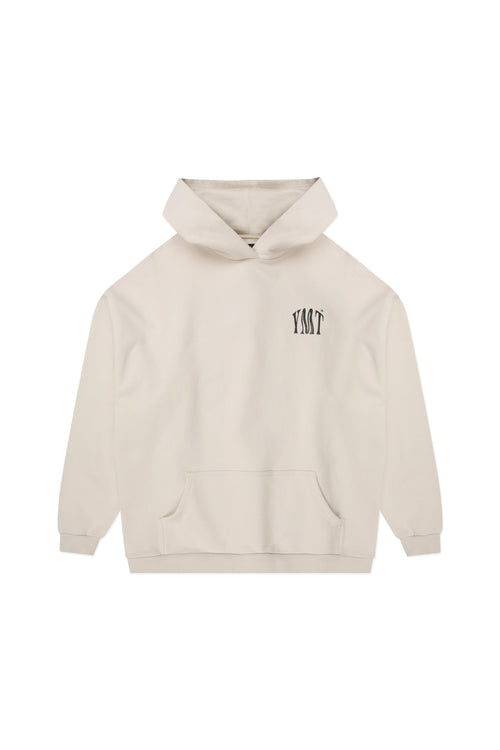
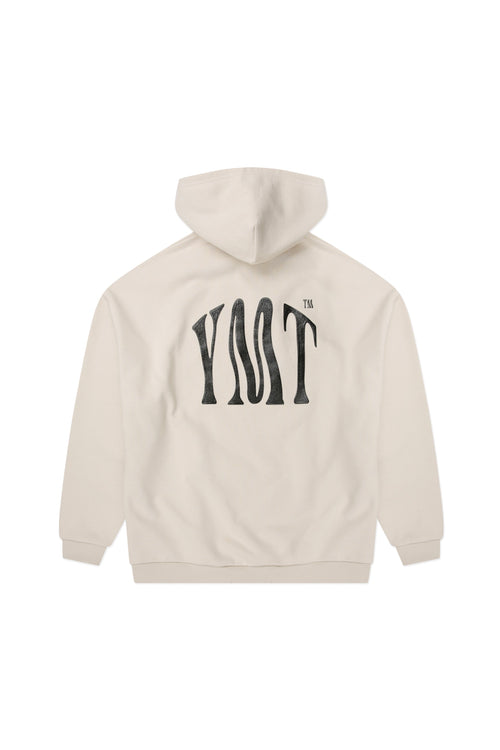
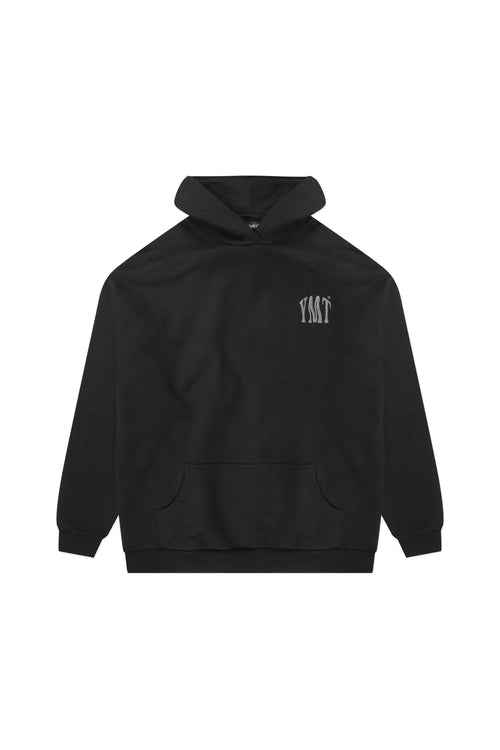
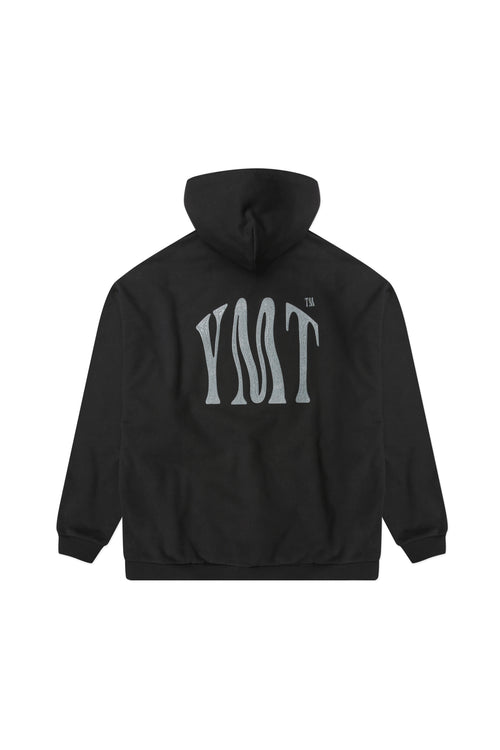
At YEMAT, we craft our pieces in northern Portugal using 450 GSM fleece and 240 GSM jersey, designed in Australia for those who measure value in years, not seasons. Our small-batch production means each garment is built to maintain its line and become more comfortable with every wear. YEMAT's approach to premium garment construction
Frequently Asked Questions
Does heavyweight organic cotton shrink more than regular cotton?
Heavyweight organic cotton does not inherently shrink more than regular cotton. Shrinkage depends on the weave density and how the fabric was pre-shrunk during manufacturing. High-GSM fabrics like 240 GSM jersey or 450 GSM fleece are often pre-shrunk to minimise this. The main cause of post-purchase shrinkage is incorrect washing. Hot water and high-heat tumble drying force the natural fibers to contract. Washing in cold water and air drying will keep a heavyweight tee true to its original size.
How does fabric GSM affect the lifespan of a garment?
GSM, or grams per square meter, measures fabric weight. A higher GSM, such as 240 GSM for a tee, means more cotton fiber is packed into the weave. This denser structure resists mechanical wear like abrasion and stretching far better than a lightweight 150 GSM fabric. The heavier weave also holds its shape, so collars do not sag and hems do not twist. This is why heavyweight garments with a high GSM rating outlast standard-weight clothing across the same number of wash cycles.
Why does organic cotton feel softer after repeated washing?
Organic cotton fibers are not stripped of their natural waxes by harsh chemical processing. Each wash cycle gently breaks down the outer pectin layer of the fiber, which releases the soft inner cellulose. This is a physical softening process, not a chemical one. The fabric structure itself remains intact because the staple fibers are longer and stronger. The result is a garment that becomes more comfortable against the skin while its weave density continues to provide structure and durability.
The challenge with premium streetwear has always been separating genuine quality from inflated pricing. The answer lies in specifications you can verify: GSM, staple length, and construction methods. YEMAT builds every piece around these measurable standards, using high-GSM organic cotton that holds its structure and softens beautifully with age. Get started with YEMAT and build a wardrobe that breaks in rather than wears out.
