


Kith vs Fear of God Quality: A 2026 Comparison


Best Heavyweight Cotton T-Shirt Brands

Best Geedup Alternatives for Premium Basics

How to Build a Durable Wardrobe: A 2026 Guide
Table of Contents
- Kith vs Fear of God Quality: The 2026 Verdict
- Kith Clothing Quality: Brand Positioning and Fabric Sourcing
- Fear of God Essentials Quality: Diffusion vs Mainline
- How to Tell If a Hoodie Is Good Quality: A Buyer's Checklist
- Streetwear Price Versus Quality: What You Are Actually Paying For
- A Product-Level Look at Heavyweight Construction
- Durability After Repeated Wear and Washing
- Conclusion: Which Brand Wins on Quality?
- Frequently Asked Questions
Last Updated: October 7, 2026
Kith vs Fear of God Quality: The 2026 Verdict
Kith wins on fabric weight and construction consistency; Fear of God wins on cut and cultural cachet. That is the short answer to the kith vs fear of god quality question, and it holds up once you put both brands' garments side by side and read the labels. This guide from Yemat™ breaks down what you are paying for at each price point and how to judge a garment yourself before you spend.
For the wider question, see our guide on what makes a streetwear brand luxury.
What This Comparison Covers
We compare brand positioning, fabric sourcing, construction, fit, and price-to-quality ratio across both labels, plus the diffusion-versus-mainline split that trips up most buyers.
The gap between a well-made heavyweight garment and a mid-weight one shows up in month three, not week one: both brands sell an image, but only one consistently backs it with fabric weight you can feel.
Kith Clothing Quality: Brand Positioning and Fabric Sourcing
Kith positions itself as a lifestyle brand first and a streetwear label second. That shapes its sourcing: frequent collaborations and seasonal collections mean fabric specs vary between drops rather than staying fixed, so the same silhouette can be cut from different fleece in different years.
Kith clothing quality is generally strong, particularly on fleece and outerwear. The brand favours dense cotton fleece and structured jersey, and its flagship hoodies tend to sit in the 400 GSM range.
Construction and Finishing on Kith Pieces
Stitching on Kith garments is clean, with flatlock seams on most fleece and reinforced shoulder taping on tees, and ribbing holds up reasonably well.
To judge a Kith piece before you buy, work through these checkpoints on the actual garment rather than the product photo:
- Fabric weight: check the care label or product page for GSM. Under 350 GSM on a hoodie is mid-weight for this price bracket, not heavyweight.
- Fleece face: a brushed back should feel dense and slightly grippy, not fluffy or loose. Loose pile sheds and pills faster.
- Shoulder seam: look for taped or reinforced seams on tees. A single raw seam is the first place a Kith tee will distort.
- Ribbing recovery: stretch the cuff and hem and release. It should snap back within a second. Slow recovery predicts bagging.
A useful pattern: Kith's outerwear and flagship fleece hold spec better than its seasonal graphic tees, which are lighter and simpler.
Fear of God Essentials Quality: Diffusion vs Mainline
Fear of God Essentials is a diffusion line, not the mainline. That distinction matters more than any single fabric spec, because the two lines use different materials, construction standards, and price points.

Fear of God quality on the mainline is genuinely high. The mainline uses heavier fleece, more complex cuts, and higher-grade finishing. Essentials, by contrast, is built for volume.
Where Essentials Sits in the Fear of God Lineup
Essentials is the entry point: it gives buyers the Fear of God silhouette at a lower price, and succeeds at that. What it does not deliver is the fabric weight or finishing of the mainline. A common mistake is assuming the logo means the same thing across both lines, Essentials pieces are lighter, softer out of the bag, and more prone to losing shape at the shoulder and hem after a season of wear.
How to Tell Which Line You Are Looking At
The two lines are distinguishable before you ever touch the fabric, and the checks take seconds:
- Label text: mainline pieces carry the full Fear of God name. Essentials pieces carry the Essentials name, often with a smaller Fear of God mark. Read the label, not the hangtag.
- Price band: mainline sits in a materially higher bracket than Essentials. If the price looks like a bargain for the brand, you are almost certainly looking at Essentials.
- Fabric weight: mainline fleece is heavier and denser in the hand. Essentials fleece feels lighter and softer straight out of the bag, that softness is a function of lighter fabric and a looser knit, not superior quality.
- Cut complexity: mainline uses more panels and more complex pattern work. Essentials uses simpler, more repeatable cuts that scale across a large production run.
- Finishing: check the interior seams. Mainline finishing is cleaner and more consistent; Essentials interior seams are more utilitarian.
What This Means for a Quality Comparison
If you are comparing Kith against Fear of God, decide which Fear of God you mean. Against Essentials, Kith's flagship fleece generally wins on fabric weight and construction consistency. Against the mainline, the comparison is closer, and the mainline's heavier fleece and more complex cuts put it at or above Kith's seasonal output. "Fear of God quality" is not one answer but two, and the label inside the garment tells you which one you are buying.
How to Tell If a Hoodie Is Good Quality: A Buyer's Checklist
Fabric weight, stitch density, and ribbing recovery tell you more about a hoodie than the brand name on the chest. Use this checklist in any store or on any product page.
- Fabric weight: 400 GSM or higher for a true heavyweight fleece
- Fabric content: high cotton percentage, minimal synthetic blend
- Stitching: flatlock or overlocked seams, no loose threads or skipped stitches
- Ribbing: cuffs and hem snap back when stretched, not bag out
- Hood structure: double-layer cotton holds shape; single-layer collapses
Fabric Weight, Stitching, and Shape Retention
Fabric weight is measured in grams per square metre, usually written as GSM. A 240 GSM jersey tee is dense and opaque; a 450 GSM brushed fleece hoodie is winter weight.
Stitching density matters almost as much: a tighter stitch count per centimetre resists seam failure. Shape retention comes down to knit structure and ribbing quality, heavyweight jersey and fleece hold their line because the fabric has enough body to resist stretching at stress points.
| Quality Signal | Weak Garment | Strong Garment |
|---|---|---|
| Hoodie fabric weight | Under 300 GSM | 400-450 GSM |
| Tee fabric weight | Under 180 GSM | 220-240 GSM |
| Seam type | Single stitch | Flatlock or overlock |
| Ribbing recovery | Bags out | Snaps back |
| Hood structure | Single layer | Double layer cotton |
| Colour method | Surface print | Dyed before cutting |
Streetwear Price Versus Quality: What You Are Actually Paying For
Streetwear price versus quality is rarely a straight line. Above a certain threshold, you are paying for scarcity, collaboration value, and brand equity as much as fabric.
This is where we would point you toward the Australian Competition and Consumer Commission's guidance on accurate product claims, which sets out what businesses can and cannot claim about garment quality and durability.
At Yemat™, we build around a fixed spec rather than a seasonal one: 450 GSM brushed cotton fleece for hoodies and 240 GSM cotton double-jersey for tees, held constant across drops.
A Product-Level Look at Heavyweight Construction
Heavyweight construction shows up in checkable details rather than marketing language. Here is how our own pieces are built.
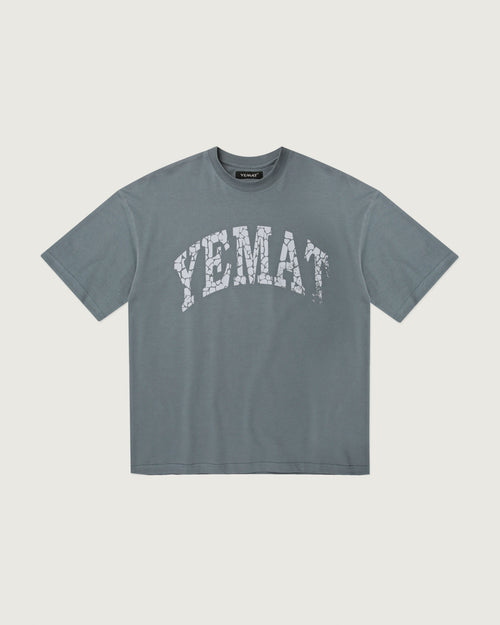
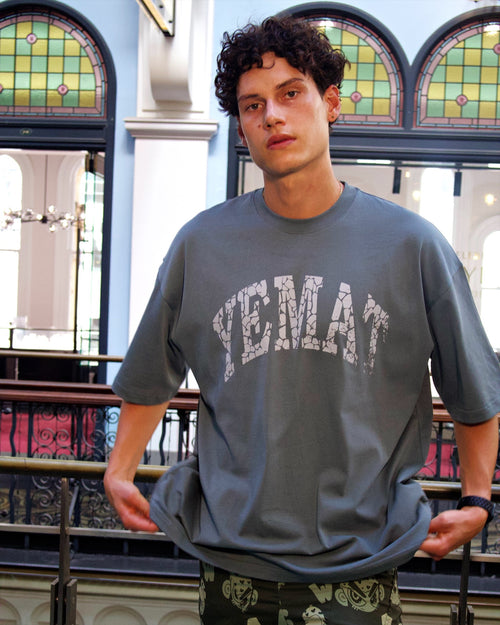
The Velvet Tee Black is a 240 GSM cotton double-jersey tee, cut wide and square with a dropped shoulder. The Velvet Tee White uses the same pattern and the same 240 GSM double-jersey, so the fit is identical.

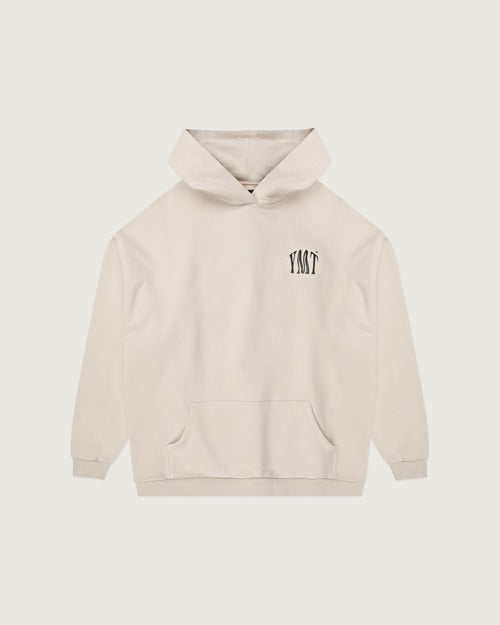
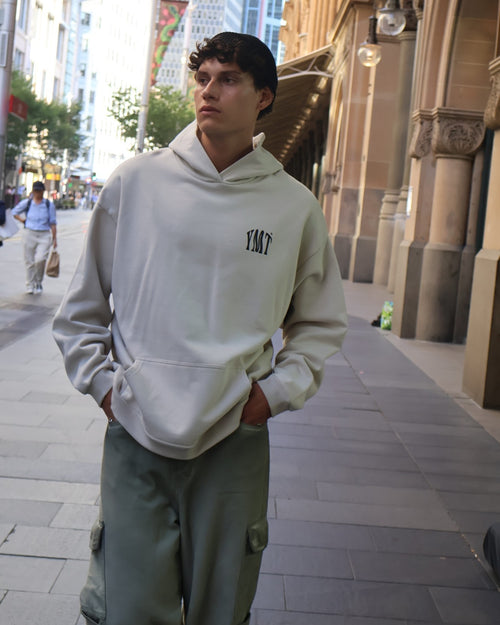
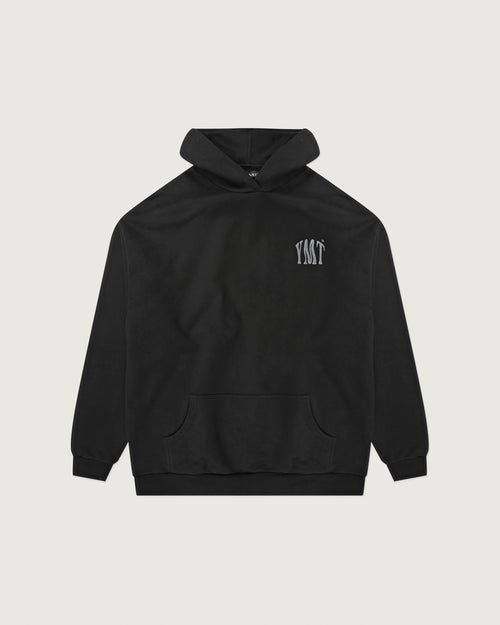
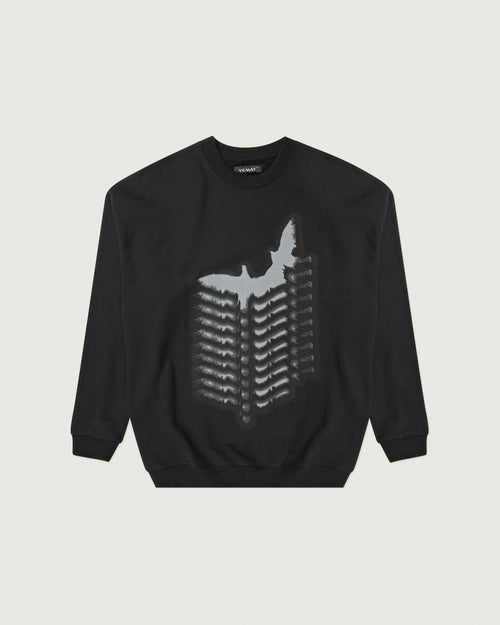
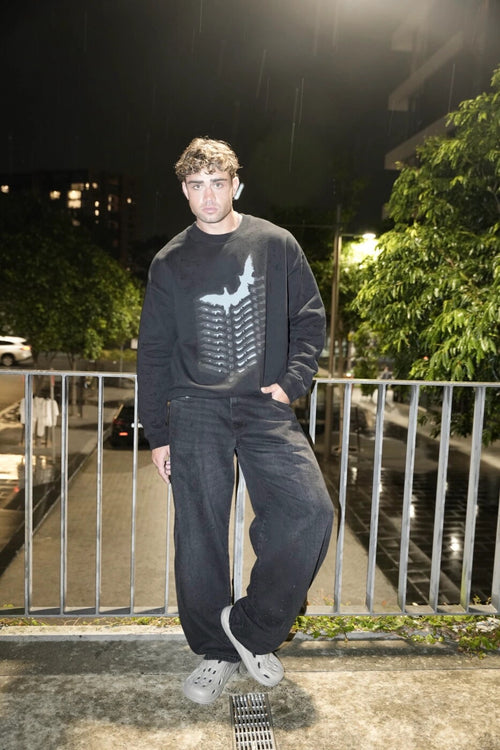
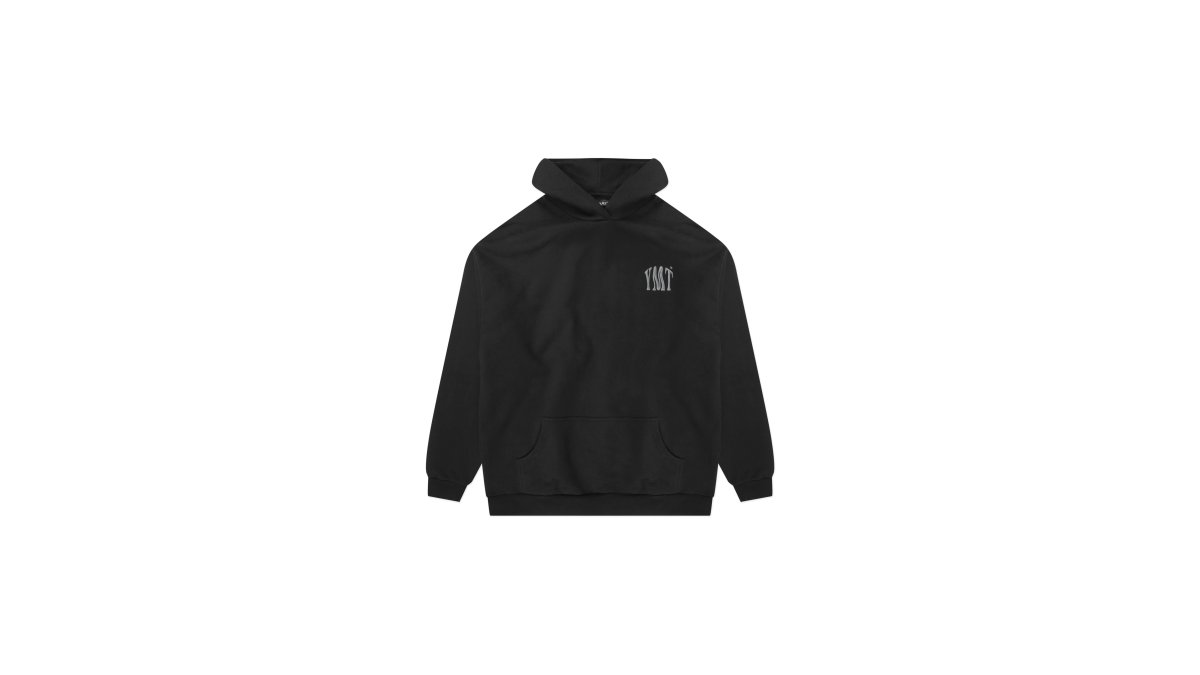
For fleece, the Force Hoodie Black runs 450 GSM brushed cotton fleece with a hood that holds its shape. The Force Hoodie Beige is the same cut, weight, and hood in a lighter colourway. The Relic Jumper uses the same 450 GSM fleece as a crew neck, cut slightly narrower through the chest.

Durability After Repeated Wear and Washing
Durability after repeated wear and washing comes down to three things: fabric weight, dye method, and care. Heavier fabric resists thinning, and fabric dyed before cutting holds colour longer than surface-dyed or printed fabric.
Care rules that actually extend garment life:
- Cold wash, 30°C or below
- Turn garments inside out before washing
- Hang dry in shade, never tumble dry
- Wash similar colours together
- Do not bleach, and do not iron printed or velvet areas
Our own care guidance follows the same logic: cold wash, hang dry, no bleach. A 240 GSM jersey tee and a 450 GSM fleece hoodie both respond well to that routine, softening with each wash without losing the line they were cut with.
Conclusion: Which Brand Wins on Quality?
On raw fabric weight and construction consistency, Kith edges ahead of Fear of God Essentials, while Fear of God's mainline sits at the top of the three.
The real answer is that brand name tells you less than the label does. Check GSM, seams, hood structure, and care instructions, that is how you judge kith vs fear of god quality, or any other pairing, without relying on reputation.
Frequently Asked Questions
Is Kith high quality?
Kith uses heavyweight cotton and premium materials on many of its pieces, particularly its own-brand hoodies and tees. Construction quality is generally solid, with reinforced stitching and durable fabrics. However, the brand also collaborates frequently, and quality can vary between collaborative drops and mainline releases. For buyers focused on fabric weight and long-term shape retention, checking the specific garment's GSM and materials before purchasing is essential.
Is Fear of God Essentials high quality?
Fear of God Essentials sits as a more accessible diffusion line compared to the mainline Fear of God collection. The quality is respectable for the price point, using cotton fleece and jersey fabrics, but it does not match the construction or material weight of the mainline pieces. Essentials is designed for everyday wear at a lower entry price, so buyers should expect lighter fabrics and simpler finishing than what the mainline offers.
How does Kith clothing compare with Fear of God Essentials?
Kith generally uses heavier fabrics and more detailed construction on its own-brand pieces, while Fear of God Essentials prioritises accessibility and a distinct oversized aesthetic at a lower price. Kith pieces often feature thicker fleece and more structured silhouettes. Essentials leans toward a softer, relaxed drape. The better choice depends on whether you prioritise fabric weight and structure or a specific aesthetic at a more accessible price.
What should you check when judging streetwear quality?
Start with fabric weight, measured in GSM. A quality hoodie typically sits above 400 GSM, while tees above 200 GSM hold shape better. Check the stitching at stress points like shoulders and hems, look for ribbing that snaps back, and confirm the garment is cut from a dense knit rather than a loose one. Also review care instructions: cold wash and hang dry preserve shape and colour far longer than tumble drying.
How do you care for heavyweight cotton streetwear?
Cold wash heavyweight cotton pieces with similar colours, then hang dry rather than tumble dry. Heat breaks down cotton fibres and accelerates shrinkage and fading. Turn garments inside out before washing to protect prints and logos. For pieces with raised or specialty details, avoid ironing directly on those areas. Stored folded rather than hung, heavyweight fleece and jersey keep their shape and avoid shoulder stretching over time.
The harder question is what happens after the first wash, when a garment either holds its line or quietly loses it. We built Yemat™ around that moment: 450 GSM brushed cotton fleece hoodies and 240 GSM cotton double-jersey tees, designed in Australia and made in Portugal, with a free 14-day size exchange on full-priced pieces and free express shipping dispatched from Sydney. Get started with Yemat™ and build a wardrobe that softens with every wash.