

How to Build a Durable Wardrobe: A 2026 Guide


Benefits of Portuguese Manufacturing for Clothing

How to Prevent Heavyweight Cotton Shrinkage: 2026 Guide

Siren Industries Alternative for Streetwear: Premium Picks
Table of Contents
- Why Fabric Weight Defines a Durable Wardrobe
- The Core Pieces: Building Your Durable Wardrobe Foundation
- How to Care for Heavyweight Streetwear
- Styling Elevated Streetwear for the Office
- Sustainability and Long-Term Maintenance
- Building a Durable Wardrobe: Common Mistakes to Avoid
- Frequently Asked Questions
Last Updated: October 1, 2026
Why Fabric Weight Defines a Durable Wardrobe
Most wardrobes fail at the fabric, not the design. A durable wardrobe is a collection of garments built from heavy, tightly constructed fabric that holds its shape through repeated washing, rather than a set of pieces that look good once and collapse after a season. At YEMAT, we build around this principle: heavyweight organic cotton, cut in small batches, breaks in rather than wears out.
The Core Pieces: Building Your Durable Wardrobe Foundation
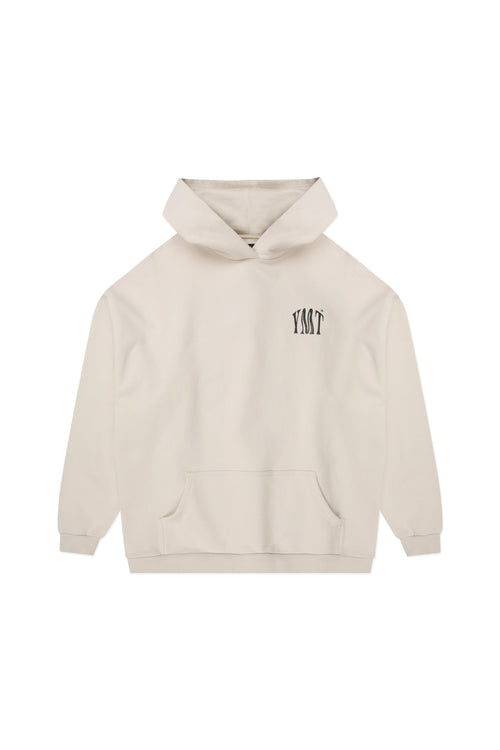
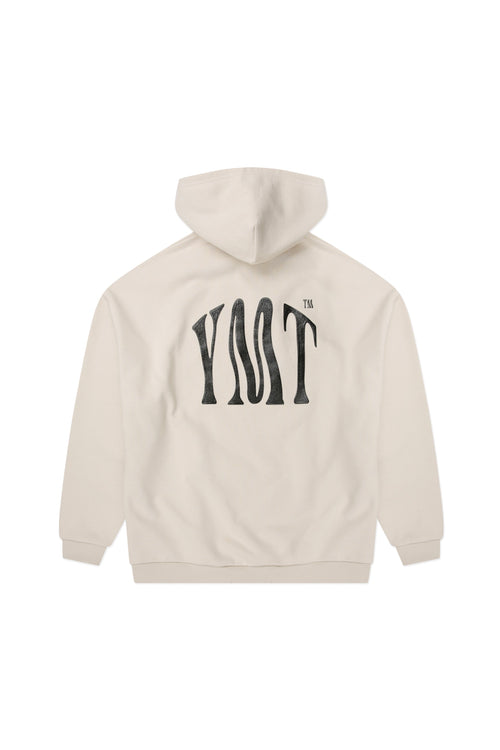
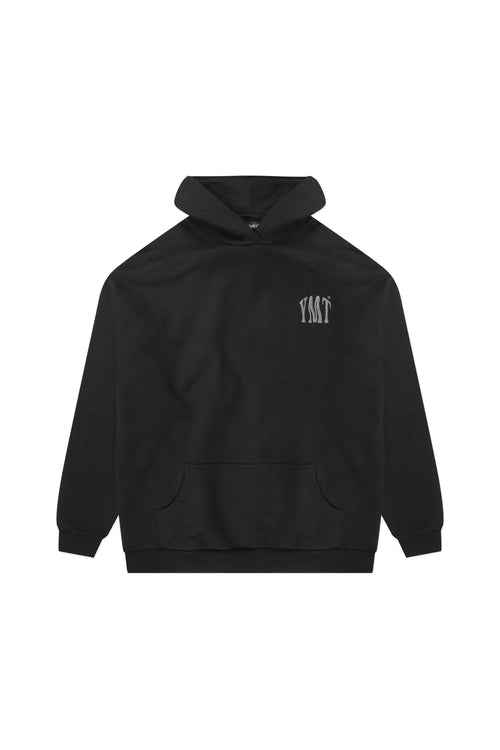
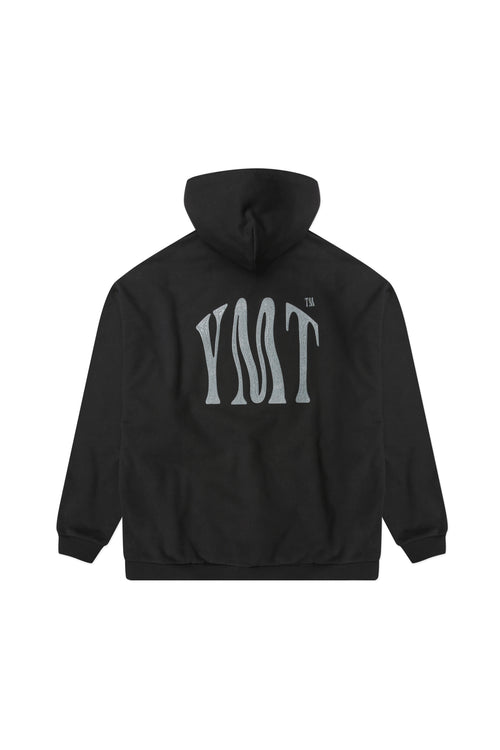
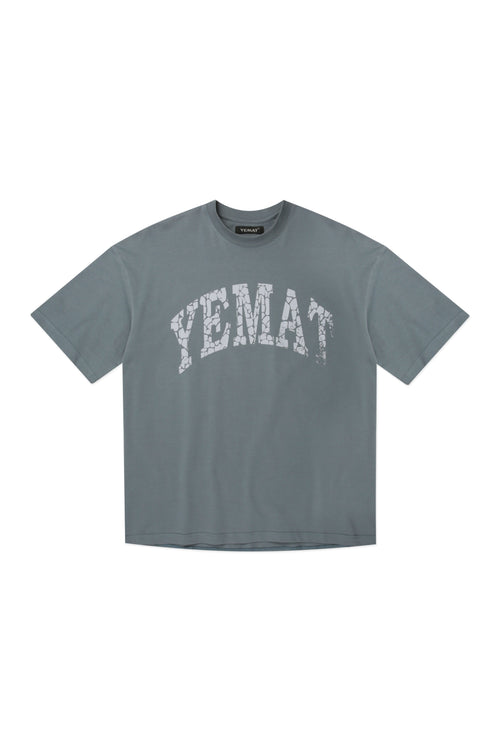
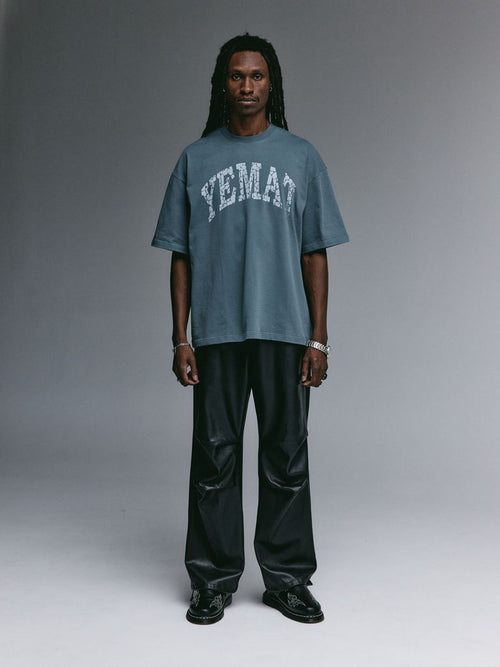
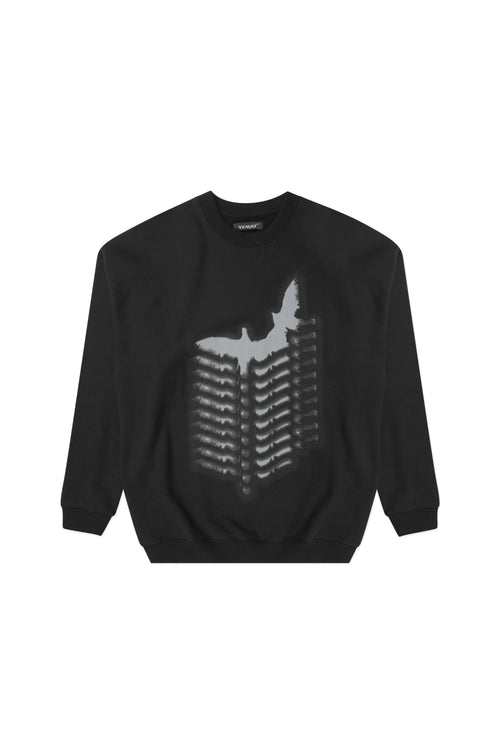
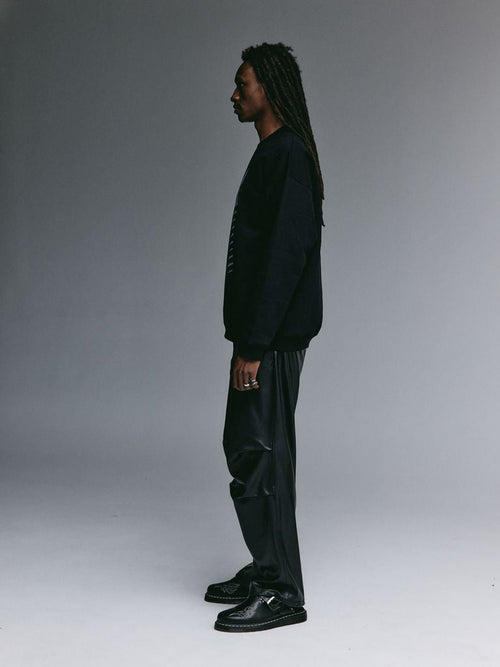
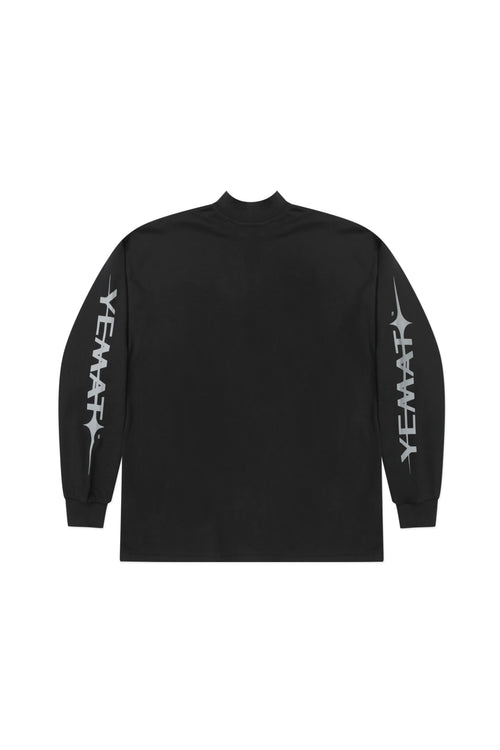
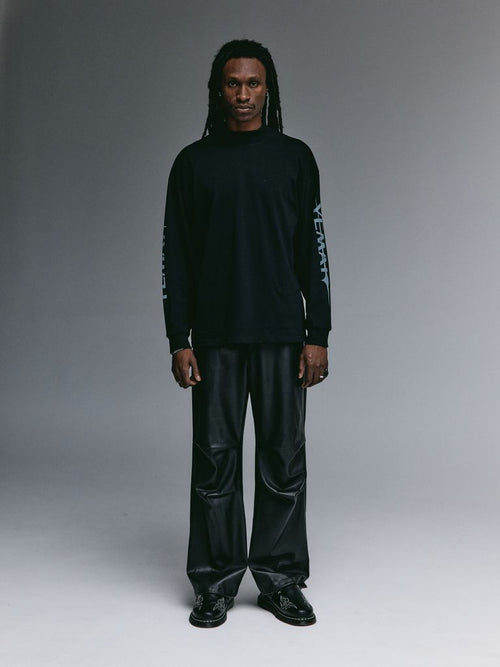
A durable wardrobe needs five pieces, not fifty. Start with a heavyweight tee in black and white, a 400 GSM-plus hoodie, a crewneck jumper in brushed fleece, a heavyweight long sleeve, and one pair of rigid or raw denim. These five cover almost every casual and smart-casual situation, and each one should be built from fabric heavy enough to survive a hundred washes.

| Piece | Fabric Weight | Best For | Care |
|---|---|---|---|
| Heavyweight tee | 240 GSM double-jersey | Everyday base layer | Cold wash, hang dry |
| Hoodie | 450 GSM brushed fleece | Winter and cool evenings | Cold wash, hang dry |
| Crewneck jumper | 450 GSM brushed fleece | Layering over long sleeve | Cold wash, hang dry |
| Long sleeve | 240 GSM double-jersey | Spring and autumn standalone | Cold wash, hang dry |
| Rigid denim | 12 oz or heavier | Smart-casual anchor | Wash rarely, inside out |
How to Care for Heavyweight Streetwear
Heavyweight cotton rewards simple, consistent care, but the difference between a garment that lasts three years and one that lasts ten sits in a handful of specific habits. Cold wash, hang dry, no bleach, never tumble dry. Hot water and heat are what shrink cotton and break down the ribbing at collars and cuffs. Cold washing preserves both the fibre and the dye, which is why heavyweight pieces hold their depth of colour far longer than lightweight ones.
The mechanics of why heat ruins cotton
Cotton fibre is a hollow tube of cellulose. Under heat, the fibre relaxes and the yarns that were spun under tension contract back toward their natural state, that is shrinkage. The same relaxation flattens the loft in brushed fleece, which is why a 450 GSM hoodie that goes through a hot dryer cycle feels thinner and stiffer afterwards even if it does not visibly shrink.
Wash frequency and rotation
A common mistake is over-washing. Spot clean between wears and wash only when the garment actually needs it. Heavyweight cotton does not hold odour the way synthetics do, so a tee worn for a desk day rarely needs more than an airing on a hanger overnight. Rotate pieces so no single item takes all the wear, a five-piece rotation worn evenly will outlast the same five pieces worn one at a time by a wide margin, because each garment gets recovery time between wears.
Repair before you replace
Most garments that fail early fail at a seam, a hem, or a zip, not at the fabric. Learning three repairs covers the vast majority of failures:
- Loose seam. Turn the garment inside out, pin the seam flat, and re-stitch over the existing line with a straight stitch, back-tacking at both ends. A seam that has started to open will not close itself.
- Dropped hem. Press the hem flat, then re-stitch with a narrow zigzag so the stitch stretches with the fabric. A straight stitch on a knit hem will pop the first time the garment is pulled over the head.
- Collar or cuff ribbing that has lost recovery. This is the hardest repair and usually means the garment is near end of life. Prevention, cold washing and air drying, is the only reliable fix.
Storage that protects shape
Store folded rather than hung for knits and fleece, since hangers stretch shoulders over time. Fold along the seams rather than across the body so the garment creases where it was constructed to crease. For denim, hang by the waistband or fold flat; hanging by a belt loop will eventually tear the loop. Cedar blocks or lavender sachets in a drawer deter moths without the chemical smell of mothballs, and moths are the single biggest cause of small holes in stored wool and cotton blends.
Styling Elevated Streetwear for the Office
Elevated streetwear works in an office when the silhouette is clean and the palette is narrow. Stick to black, white, charcoal, and one neutral like stone or navy. Keep the fit consistent: if the tee is boxy, the trouser should be straight or tapered, not baggy. A heavyweight long sleeve under a crewneck jumper with tailored trousers reads as intentional rather than casual.
Sustainability and Long-Term Maintenance
Sustainability in a wardrobe is mostly a durability question, and durability is mostly a maintenance question. A garment worn for five years has a far smaller footprint per wear than one replaced every season, regardless of what it is made from. That is the angle almost every wardrobe guide misses: they cover what to buy and skip what to do with it afterwards.
What actually makes a garment sustainable
Three factors, in order of impact:
- How long you keep it. This dominates everything else. A heavyweight organic cotton tee worn twice a week for five years has a footprint per wear roughly a tenth of a fast-fashion tee replaced every eight months, even before you account for the energy and water in manufacturing.
- What it is made from. Organic cotton is grown without synthetic pesticides and uses less water than conventional cotton, but the difference is modest next to longevity. Look for certification marks you can verify, GOTS (Global Organic Textile Standard) for organic fibre, OEKO-TEX Standard 100 for non-toxic dyes and finishes, and FSC certification for any wood or paper packaging. These are internationally recognised schemes, not brand marketing.
- How it is finished and dyed. Low-impact or reactive dyes bond more tightly to the fibre and shed less in the wash, which means the colour lasts longer and fewer dye compounds reach waterways. This is one reason heavyweight dyed cotton holds its depth of colour better than lightweight fabric, more fibre per square metre means more dye uptake and slower fade.
The maintenance calendar
Long-term maintenance is not a single task; it is a small set of recurring checks. A practical schedule:
- After every wear. Air the garment overnight before returning it to the drawer or wardrobe. Spot clean marks immediately, a stain left to set is a stain that becomes permanent.
- Every few wears. Check seams at stress points: underarm, shoulder, crotch, and the top of a zip. A two-minute check catches a failing seam before it becomes a hole.
- Monthly. Inspect ribbing at collars and cuffs for loss of recovery. Check zips run smoothly and lubricate metal zips with a graphite pencil rubbed along the teeth, never oil, which attracts lint.
- Seasonally. Wash the whole rotation, fold and store out-of-season pieces in a breathable cotton bag rather than vacuum-sealed plastic, which traps moisture and encourages mildew. Add cedar or lavender against moths.
- Annually. Review the rotation. Anything unworn for a full year is either the wrong fit or the wrong piece, repair it, alter it, or move it on.
Repair as the highest-leverage sustainability act
Re-stitching a hem, replacing a button, or darning a small hole costs minutes and extends a garment's life by months or years. Most failures are mechanical, not material: a seam that has started to open, a zip that has lost a tooth, a button that has come loose. Learning to use a basic sewing kit, needle, matching thread, a few spare buttons, covers the majority of repairs.
Building a Durable Wardrobe: Common Mistakes to Avoid
The most common mistake is buying too many cheap pieces instead of a few heavy ones. A wardrobe of ten lightweight tees costs more over three years than three heavyweight ones, and it looks worse the whole time. The second mistake is ignoring fabric weight on the label. If a garment does not list GSM or a comparable weight, assume it is light.
- Buying on look alone, without checking fabric weight
- Replacing instead of repairing minor seam damage
- Washing after every wear when spot cleaning would do
- Tumble drying heavyweight cotton
- Storing fleece and knits on hangers
Frequently Asked Questions
Is it cheaper to build your own wardrobe or buy one?
Building your own wardrobe is an investment in long-term value. While the upfront cost of high-GSM pieces is higher, they are designed to break in rather than wear out. For example, a 240 GSM organic cotton tee from YEMAT costs $195, but its durability means you replace it far less often than fast-fashion alternatives. This lowers your cost-per-wear over several years.
What is the most durable wardrobe?
The most durable wardrobe is built on heavyweight, high-GSM organic cotton and quality construction. Look for pieces like 450 GSM fleece hoodies and 240 GSM double-jersey tees. These fabrics hold their shape and soften with age. A durable wardrobe also includes proper care, like cold washing and hang drying, to maintain the integrity of each garment.
What defines a durable garment in modern streetwear?
A durable garment in modern streetwear is defined by fabric weight, construction, and fit. High GSM organic cotton, such as 240 GSM jersey or 450 GSM fleece, provides structure and longevity. Details like ribbed collars that keep their shape, double-layer hoods, and reinforced seams also signal quality. These features ensure the piece maintains its line over years of wear.
How does fabric GSM impact the longevity of clothing?
Fabric GSM (grams per square metre) directly impacts longevity. Higher GSM means a denser, heavier fabric that resists stretching, pilling, and thinning. For instance, a 240 GSM organic cotton tee is more durable than a lightweight 150 GSM one. The extra weight helps the garment hold its shape and withstand repeated washing, making it a core part of a durable wardrobe.
Is it more sustainable to invest in small-batch, high-quality pieces?
Yes, investing in small-batch, high-quality pieces is more sustainable. Limited-run production reduces waste compared to mass manufacturing. High-quality garments made from organic cotton, like those from YEMAT, are designed to last longer, meaning fewer replacements end up in landfill. This approach supports a more sustainable and durable wardrobe.
How do you properly care for organic cotton to ensure durability?
To care for organic cotton, always cold wash and hang dry. Avoid bleach and fabric softeners, which can break down fibres. For heavyweight streetwear, turn garments inside out before washing to protect prints. This routine preserves the fabric's structure and colour, ensuring your durable wardrobe pieces last for years.
Building a wardrobe that lasts comes down to fabric weight, care, and buying fewer, heavier pieces. YEMAT designs heavyweight organic cotton garments in Australia and makes them in northern Portugal, using 240 GSM double-jersey and 450 GSM brushed fleece built to hold their line for years. Free express shipping to Australia, free 14-day size exchanges, and pieces that soften with every wash rather than wearing out. Shop the hoodie and start with the foundation pieces that do the work.
