



Siren Industries Alternative for Streetwear: Premium Picks


Durable Streetwear for Everyday Wear: 2026 Guide

7 Benefits of Portuguese Garment Manufacturing for Premium Brands

Buy Heavyweight Organic Cotton T-Shirts: 2026 Guide
Table of Contents
- Why Shoppers Look for a Siren Industries Alternative
- How to Judge Heavyweight Streetwear Brands in Australia
- What Premium Organic Cotton Streetwear Actually Delivers
- The Case for Small-Batch Streetwear Labels
- YEMAT: A Siren Industries Alternative Built on Heavyweight Cotton
- Cost Per Wear: Why Cheap Basics Cost More Over Time
- Frequently Asked Questions
Last Updated: September 26, 2026
Why Shoppers Look for a Siren Industries Alternative
The search for a siren industries alternative for streetwear usually starts the same way: a wardrobe full of tees that looked sharp in the mirror and collapsed after three washes. This guide from YEMAT examines what actually separates a garment that holds its shape from one that doesn't, and which heavyweight labels are worth the money.
Fast fashion solved the price problem and created a fit problem. A lightweight cotton tee is cheap because the fabric is thin, the seams are single-stitched, and the cut is engineered for a hanger, not a body. It looks fine in-store and loses its line by the second wash. Shoppers who have been through that cycle once or twice stop buying on price and start buying on construction.
The shift is measurable in how people talk about clothing. The question is no longer "how much is this tee" but "what GSM is it, where was it made, and will it still fit in a year." That is a different kind of shopper, and they need a different kind of answer.
What most guides miss is that the alternative isn't another logo. It's a different set of specifications.
How to Judge Heavyweight Streetwear Brands in Australia
Judging a heavyweight streetwear brand comes down to three things: fabric weight, construction method, and how the garment behaves after twenty washes. Everything else, including the logo, is decoration.
Start with the spec sheet, not the lookbook. A label that publishes its GSM, its fibre content, and its manufacturing location is telling you it expects scrutiny. A label that publishes neither is telling you something too.
Fabric Weight: Why GSM Matters More Than Logo
GSM stands for grams per square metre, and it is the single clearest indicator of how a garment will feel and age. A standard fast-fashion tee sits somewhere in the 140 to 180 GSM range. A premium heavyweight tee starts at 240 GSM and goes up from there. Fleece is heavier again, with quality hoodies and jumpers commonly landing between 400 and 450 GSM.
The difference is structural, not just tactile. A 240 GSM organic cotton double-jersey has enough body to sit away from the skin, hold a boxy silhouette, and resist the twisting that plagues thin knits. A 450 GSM brushed fleece traps warmth, holds a dropped shoulder in place, and softens rather than thins over time.
Weight also determines opacity. A white heavyweight tee in 240 GSM double-jersey does not need a singlet underneath. A 180 GSM white tee usually does.
Construction Details That Separate Premium From Fast Fashion
Look at the seams before you look at the print. Premium construction shows up in a handful of specific places:
- Ribbed collars and cuffs that hold their tension instead of stretching out within a season
- Twin-needle stitching at hems, which resists the fraying that single-stitch seams develop
- Turned sleeve and bottom hems, a finish that costs more to produce and lasts longer
- Double-layer hoods on fleece, so the hood stands rather than collapses
- Straight side seams that keep a boxy cut square instead of twisting after washing
A common mistake is judging quality by the weight of the fabric alone. A heavy tee with a stretched collar still looks cheap. The collar is usually the first thing to fail on a poorly made garment, and it is the easiest thing to check before you buy.
What Premium Organic Cotton Streetwear Actually Delivers
Premium organic cotton streetwear delivers three things a lightweight alternative cannot: structure that survives washing, colour that holds its depth, and a fabric that softens without losing its shape.
Organic cotton is grown without synthetic pesticides and processed without the heavy chemical finishing that gives cheap jersey its initial sheen. That matters for how the fabric ages. Jersey that has been dyed before cutting, then washed cold, holds its colour far longer than a garment printed or dyed after construction.
Structure is the bigger story. Heavyweight double-jersey and brushed fleece are dense enough to keep the line they were cut with. A dropped shoulder stays dropped. A boxy body stays boxy. The garment breaks in rather than wears out, which is the opposite of how fast fashion behaves.
Many shoppers find the first month is the least comfortable period with a heavyweight piece. It is stiff, it holds its shape almost too well, and it does not drape the way a worn-in tee does. That is the trade-off, and it resolves itself with washing.
The Case for Small-Batch Streetwear Labels
Small-batch streetwear labels produce in limited runs, which changes the economics in the shopper's favour. Lower volume per style means tighter quality control, less pressure to cut corners on fabric, and a garment that is not competing with ten thousand identical units on a discount rack.
The trade-off is availability. A small label cannot restock a sold-out size in a week the way a mass producer can, and popular pieces do sell through. Shoppers who want a specific size in a specific colour sometimes wait.
There is a real upside beyond scarcity. A small-batch label lives or dies on repeat customers, not on one-off purchases. That creates an incentive to build garments that last, because the business model only works if the first purchase leads to a second. Mass-market labels do not carry that pressure. They optimise for the transaction, not the relationship.
For anyone weighing up a premium purchase, this is the argument that matters most. You are not buying a logo. You are buying a garment from a label that cannot afford to sell you something that falls apart.
YEMAT: A Siren Industries Alternative Built on Heavyweight Cotton
YEMAT is an Australian luxury streetwear house built specifically for this problem: heavyweight organic cotton garments, designed in Australia and made in northern Portugal, produced in small batches.

The specification is the pitch.
The Core Range: Tees, Jumpers and Hoodies Compared
The range covers three garment types across two fabric weights, with prices that reflect the construction rather than a logo premium.
| Garment | Price | Fabric | Best For |
|---|---|---|---|
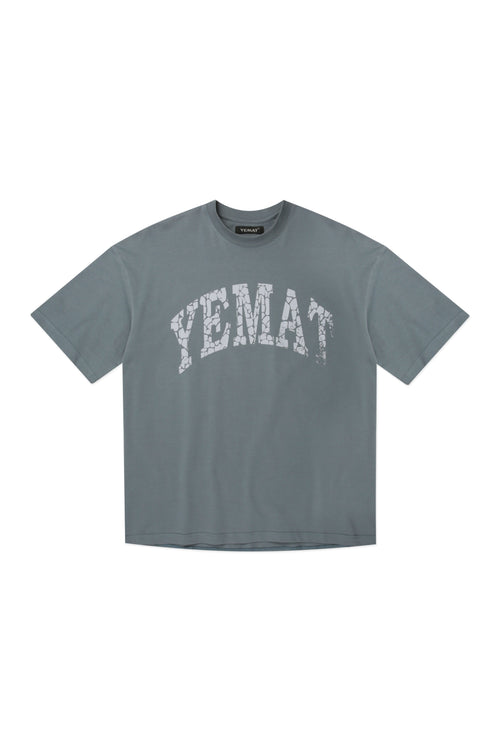
| Velvet Tee Black | $195.00 | 240 GSM organic cotton double-jersey | Boxy oversized fit, widest cut in the range |
| Airbrush Tee | $185.00 | 240 GSM organic cotton double-jersey | White graphic tee that stays opaque |
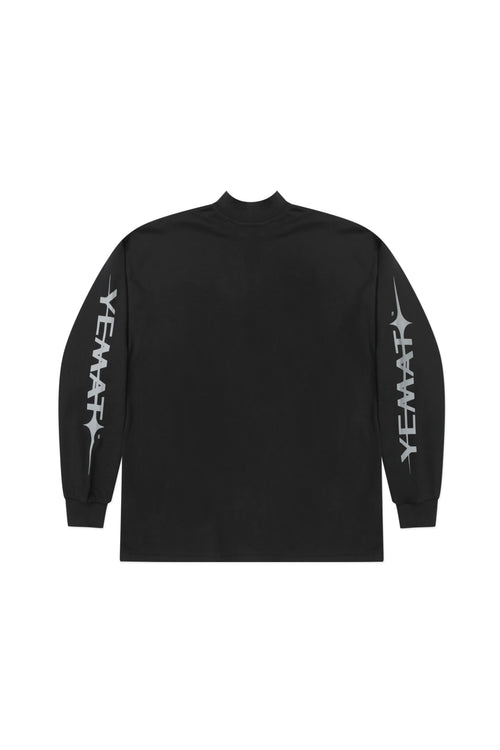
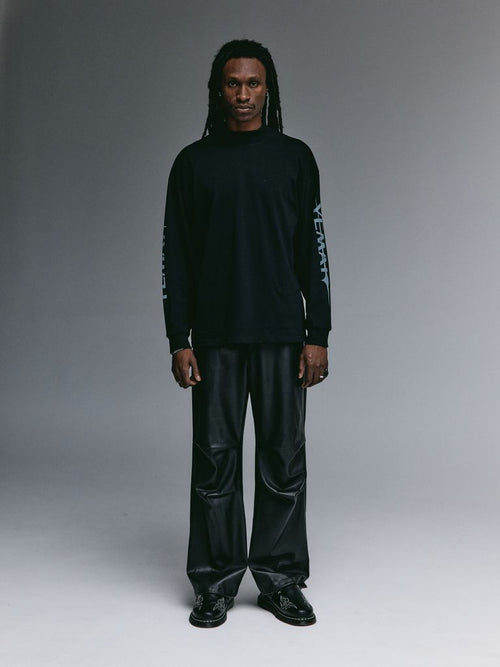
| Shadowline Longsleeve | $204.00 | 240 GSM organic cotton double-jersey | Layering, high crew neck |
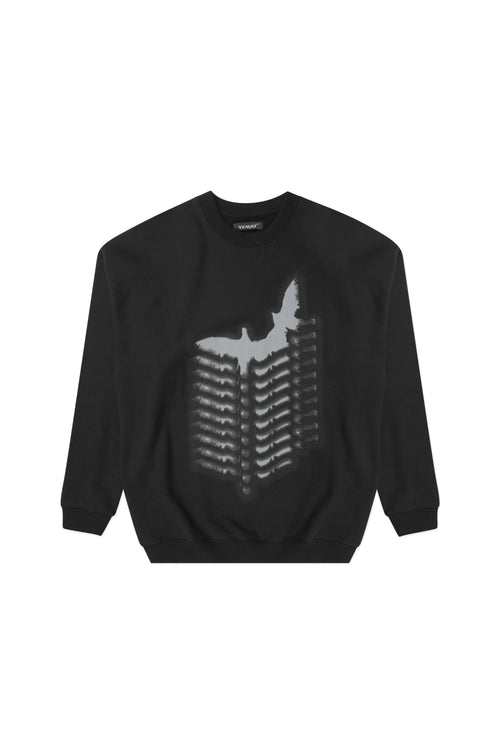
| Relic Jumper | $244.00 | 450 GSM brushed organic cotton fleece | Winter weight, narrower chest than the hoodie |
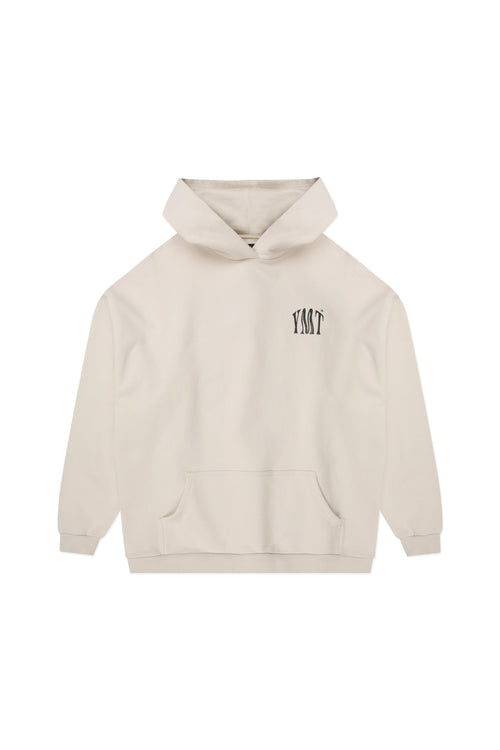
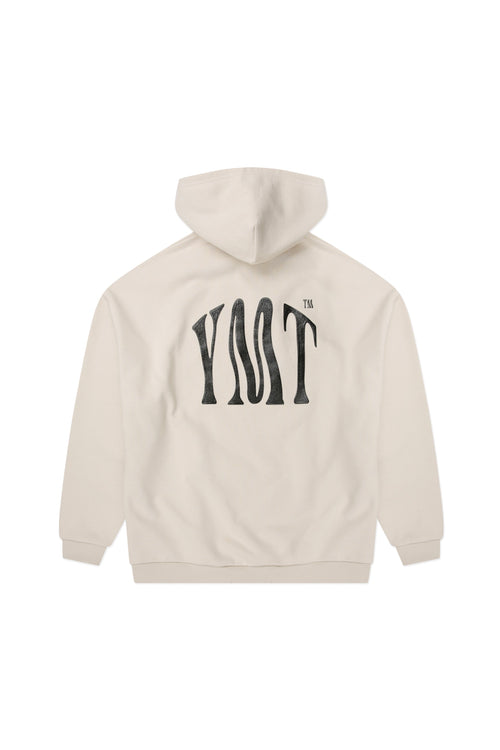
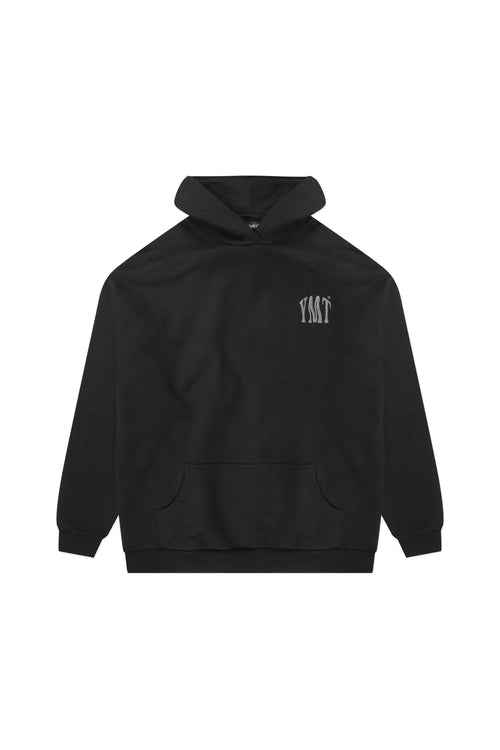
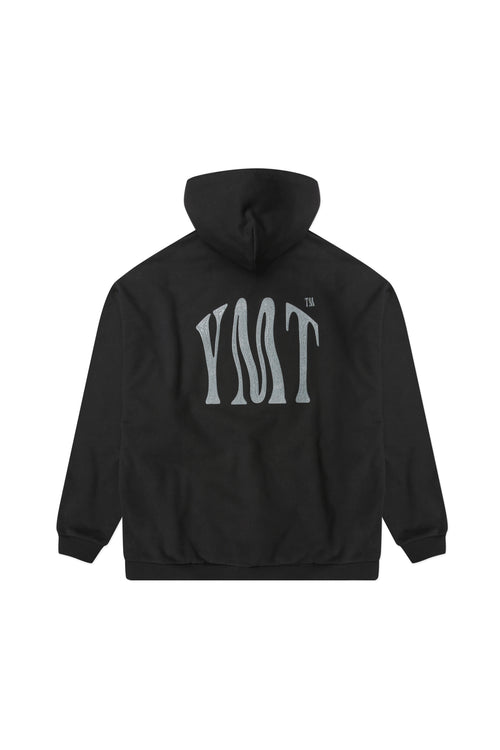
| Force Hoodie Black | $295.00 | 450 GSM brushed organic cotton fleece | Cool-evening wear, structured double-layer hood |
| Force Hoodie Beige | $295.00 | 450 GSM brushed organic cotton fleece | Same cut as the black, lighter colourway |
Cost Per Wear: Why Cheap Basics Cost More Over Time
Cost per wear is the purchase price divided by the number of times you actually wear the garment. A cheap tee wins on the first calculation and loses badly on the second.

Frequently Asked Questions
What are the best alternatives to Siren Industries for heavyweight streetwear?
The strongest alternative is a brand that publishes its fabric weight and construction details. Look for garments at 240 GSM or above for jersey and 400 GSM or above for fleece. YEMAT's Velvet Tee sits at 240 GSM organic cotton double-jersey, while the Force Hoodie and Relic Jumper use 450 GSM brushed organic cotton fleece. These weights hold their shape through repeated washing, which is the main thing lightweight tees fail at.
Which streetwear brands focus on high-GSM organic cotton?
Fewer than you would expect. Many premium labels use high-GSM cotton but blend it with polyester to reduce cost. YEMAT uses 240 GSM organic cotton double-jersey across its tees and long sleeves, and 450 GSM brushed organic cotton fleece across its hoodies and jumpers. The organic certification matters because it restricts the pesticides and synthetic inputs used in the raw fibre, which affects how the cotton ages.
How do I identify high-quality streetwear brands in the current market?
Check three things: the stated fabric weight in GSM, the country of manufacture, and the return policy. A brand confident in its sizing and construction will offer free size exchanges. YEMAT publishes 240 GSM and 450 GSM weights, manufactures in northern Portugal, and offers free 14-day size exchanges. If a brand will not state its GSM or where the garment is made, that is usually a signal.
Are there Australian-designed streetwear brands that offer premium durability?
Yes. YEMAT designs in Australia and manufactures in northern Portugal, using heavyweight organic cotton built to break in rather than wear out. The construction approach is deliberate: 450 GSM fleece for hoodies and jumpers, 240 GSM double-jersey for tees, ribbed collars and cuffs that hold their shape, and cold-wash, hang-dry care instructions that preserve the fabric over years rather than seasons.
What should I look for when choosing a streetwear brand alternative?
Prioritise fabric weight, fit consistency and care instructions over branding. A 240 GSM tee will feel denser and more opaque than a 180 GSM one, and a 450 GSM hoodie will hold its structure through winter. Check whether the brand runs true to size or large, since oversized cuts often run a full size up. YEMAT's Velvet Tee and Airbrush Tee both run a full size large, so sizing down gives the intended fit.
