


7 Benefits of Portuguese Garment Manufacturing for Premium Brands


Buy Heavyweight Organic Cotton T-Shirts: 2026 Guide

Ethical Streetwear Brands in Australia 2026: What to Buy

Shop Premium Structured Streetwear Online: 2026 Guide
Table of Contents
- Why Portuguese Garment Manufacturing Leads Premium Production
- Luxury Streetwear Manufacturing Standards: Craftsmanship and Quality Control
- Small-Batch Garment Manufacturing Benefits: Flexibility for Emerging Brands
- Sustainable Fashion Supply Chain: Ethics, Environment and Transparency
- Cost, MOQs and Lead Times: A Practical Comparison for Australian Brands
- Technical Onboarding and Niche Capabilities: What Competitors Miss
- Conclusion: Making the Case for Portuguese Manufacturing
- Frequently Asked Questions
Last Updated: September 22, 2026
Why Portuguese Garment Manufacturing Leads Premium Production
Portuguese garment manufacturing is the practice of producing apparel in Portugal's northern textile clusters, where mills and factories handle spinning, knitting, dyeing and construction under one regional supply chain. For premium brands, that concentration of skill is the appeal.
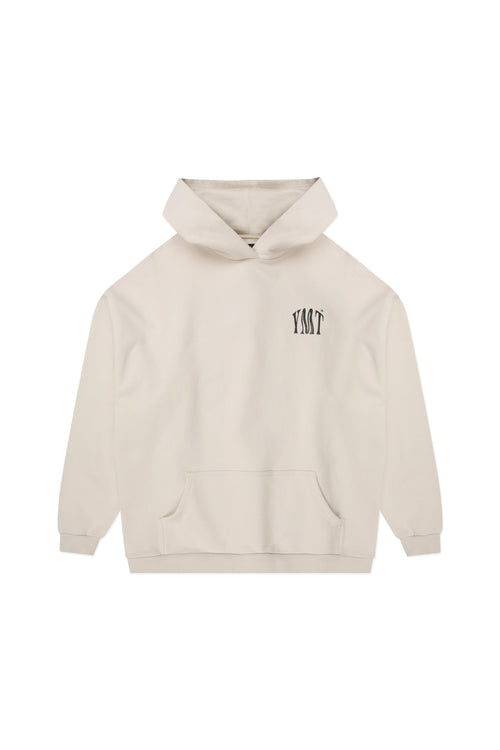
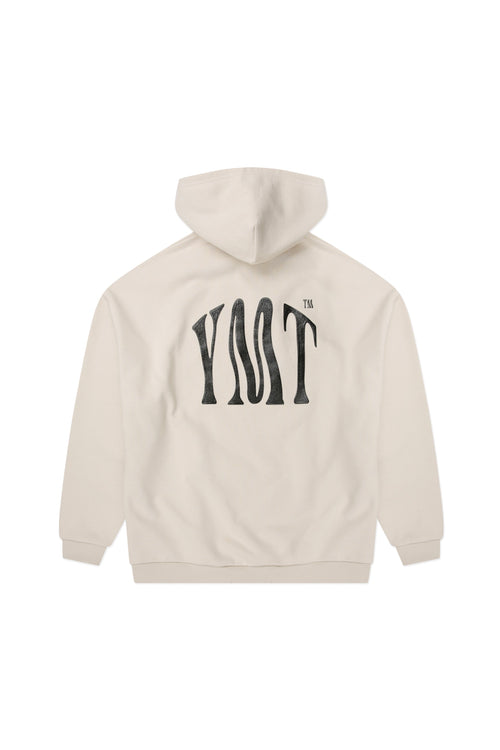
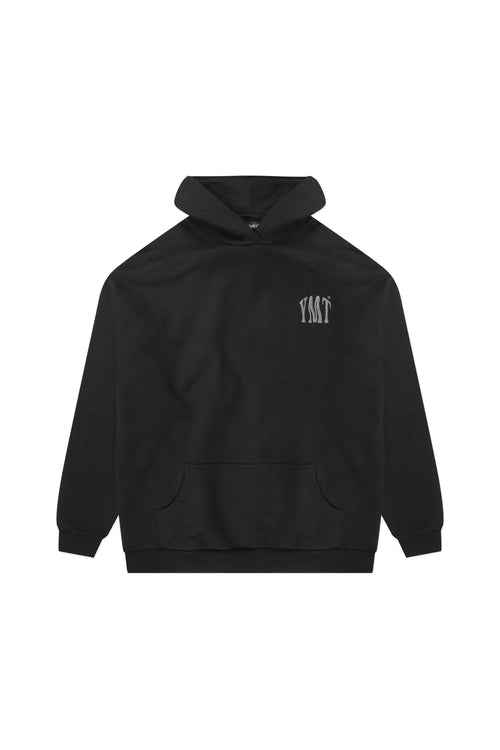
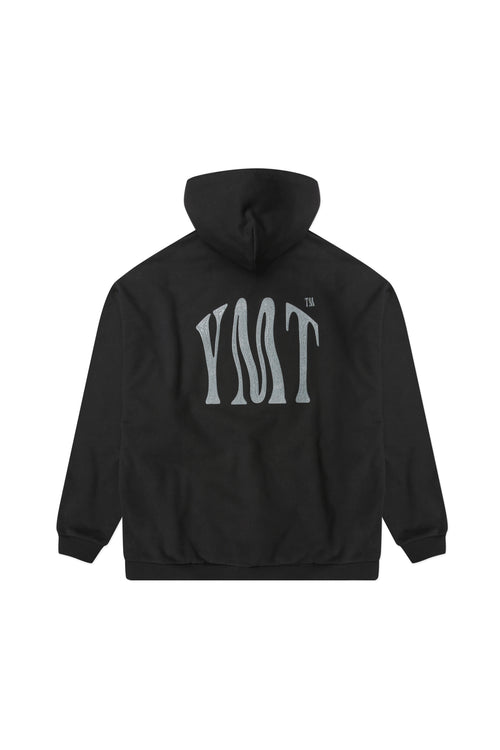
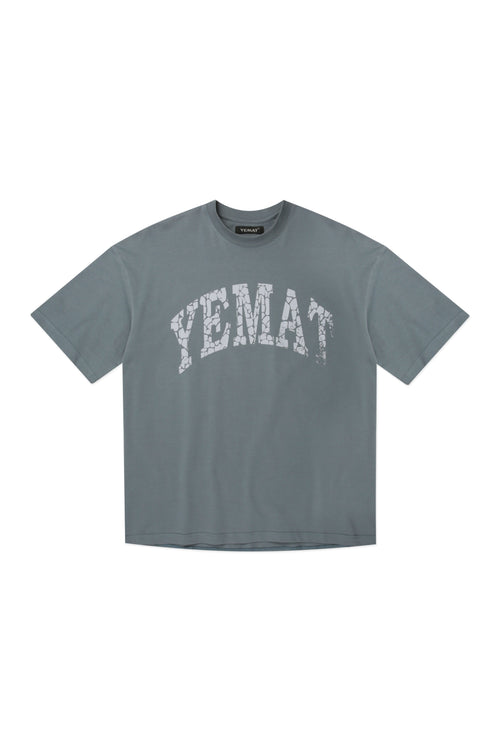
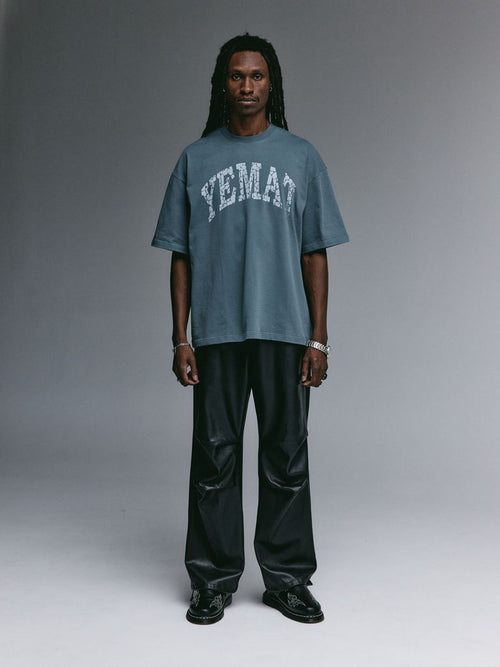
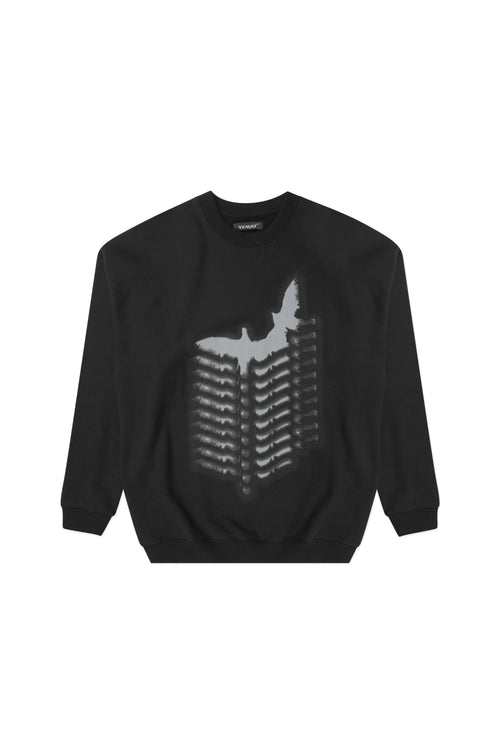
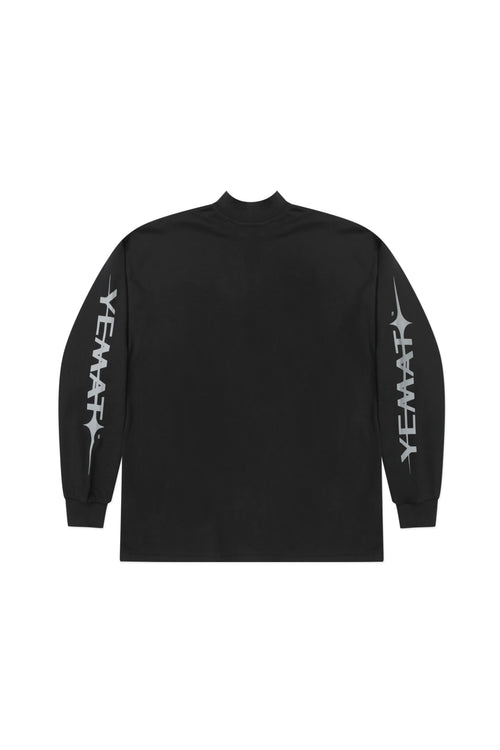
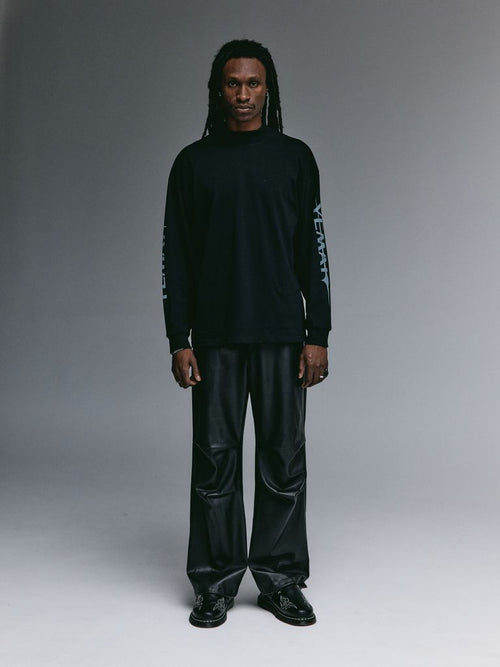
YEMAT builds its collection on exactly this model. Every piece is designed in Australia and made in northern Portugal, using 240 GSM organic cotton double-jersey for tees and 450 GSM brushed organic cotton fleece for hoodies.

The country's textile heritage runs deep. Northern Portugal has hosted spinning, weaving and garment construction for generations, and the region's factories still specialise rather than generalise. A single factory might do nothing but heavyweight jersey.
That specialisation matters more than most buyers realise. It's the difference between a garment cut to hold its line and one that collapses after a season.

Luxury Streetwear Manufacturing Standards: Craftsmanship and Quality Control
Luxury streetwear manufacturing standards are the construction rules that separate a garment which keeps its shape from one that doesn't: fabric weight, stitch density, ribbing recovery and shoulder structure. Portugal's factories built their reputation on meeting them.
Quality control here is hands-on. Operators inspect at the machine, not just at final packing, which catches a dropped stitch before it becomes a rejected run.
The technical specification does the heavy lifting. A 240 GSM organic cotton double-jersey tee is dense and smooth-faced, with a standard crew neck and ribbing that keeps its shape. A 450 GSM brushed fleece hoodie gets a double-layer cotton hood that stands rather than collapses.
Heavyweight jersey breaks in rather than wears out. It softens with every wash and keeps the line it was cut with.
Small-Batch Garment Manufacturing Benefits: Flexibility for Emerging Brands
Small-batch garment manufacturing lets a brand test a design with limited capital, then scale only what sells. Low minimum order quantities (MOQs) mean a new label can launch a run of a few hundred units instead of committing to thousands.
What most guides leave out is why Portuguese factories can profitably accept those runs when volume producers cannot. The answer sits in the structure of the northern clusters. A factory there is usually one link in a chain of nearby specialists, a knitter, a dyer, a cut-and-sew house, a finisher, rather than a vertically integrated plant that must keep a single line fed with thousands of units to stay efficient. Short runs move between small specialist units without the changeover penalty a mass plant would absorb.
That structure produces a few practical patterns worth knowing before you approach a factory:
- MOQ is usually quoted per fabric, per colour, not per style. A factory may accept 300 units of a tee, but only if you take the fabric in one dye lot. Splitting a run across three colourways can triple the effective minimum.
- Sampling minimums are separate from production minimums. Expect to pay for one or two pre-production samples before any bulk order is confirmed, and expect that cost to be quoted independently of the unit price.
- Small runs are priced per unit, not per order. A 300-unit run carries a higher per-unit cost than a 3,000-unit run because the fixed costs, pattern grading, marker making, machine setup, are spread across fewer garments. The premium is real, and it is the price of not holding dead stock.
YEMAT runs on this principle: limited-edition drops and small-batch production rather than endless restocks. It keeps quality consistent and stock intentional.
The trade-off is real. Small batches sell out, and a popular size can disappear before you decide. Brands that want core basics always in stock have to plan replenishment carefully, and replenishment is not simply 'order more'. A second run of the same style may land in a different dye lot, which is visible on a heavyweight fleece in a way it rarely is on a thin jersey. If colour consistency across restocks matters to your brand, agree a dye-lot tolerance with the factory before the first run, not after the second.
Sustainable Fashion Supply Chain: Ethics, Environment and Transparency
A sustainable fashion supply chain covers fair wages, safe working conditions, responsible chemical use and traceable raw materials. European factories operate under some of the world's tighter labour and environmental rules, which is a large part of why brands cite ethical production as a reason to manufacture there.
The gap in most guides is that they stop at the claim and never explain the mechanism. In practice, a buyer verifies a supply chain through documents, not assurances.
- Fibre certification. Organic cotton is verified through chain-of-custody certification, which tracks the fibre from farm through gin, spinner, knitter and cut-and-sew. A certificate that covers only the farm tells you nothing about what happened after it. Ask for the transaction certificate that names your specific order.
- Chemical management. Restricted substance lists set the limits on what chemicals may be present in the finished garment. Factories that export to Europe routinely test against these lists, and the test reports are dated and traceable to a batch.
- Social audits. Labour conditions are assessed through third-party social audit programmes, which score a factory on working hours, wages, health and safety, and freedom of association. An audit report has a date and a scope, a two-year-old audit of a different production line is not evidence about your order.
Cost, MOQs and Lead Times: A Practical Comparison for Australian Brands
Cost, MOQs and lead times are the three numbers that decide whether a manufacturing partner is viable. Portuguese production usually costs more per unit than mass-market alternatives, but the gap narrows once you factor in defect rates, reorders and the resale value of a garment that lasts.
| Factor | Northern Portugal | Mass-market Asia | Local Australian production |
|---|---|---|---|
| Typical MOQ | Low, suited to small runs | High, volume contracts | Very low, made to order |
| Unit cost | Mid to high | Low | High |
| Lead time | Moderate | Long, plus freight | Short |
| Quality control | Hands-on, in-line | Variable by factory | Close, hands-on |
| Shipping to Australia | Express air freight available | Sea freight, longer transit | Domestic courier |
| Best for | Premium, small-batch labels | High-volume basics | Rush and sample runs |
Technical Onboarding and Niche Capabilities: What Competitors Miss
Technical onboarding is the part most sourcing guides skip: the process of handing a factory a complete tech pack and getting back a sample that matches it. A tech pack is the document that specifies fabric, weight, measurements, stitch type, colour and finishing for a garment.
The practical sequence looks like this:
- Write a full tech pack with graded measurements per size
- Specify fabric by weight and composition, not by feel
- Request a pre-production sample and measure it against the spec
- Approve the sample in writing before bulk production starts
- Agree an inspection standard and defect tolerance upfront
Conclusion: Making the Case for Portuguese Manufacturing
The case for Portuguese production comes down to what you're actually buying: fabric weight, construction and a supply chain you can trace. Those are the things that decide whether a garment breaks in or wears out.
Frequently Asked Questions
Is Portuguese garment manufacturing good for luxury streetwear brands?
Yes. Portuguese garment manufacturing is known for high-quality craftsmanship, especially in northern Portugal where factories specialise in premium textiles. Many luxury streetwear brands choose Portugal for its skilled labour, attention to detail, and ability to work with heavyweight organic cotton and other premium fabrics. The result is garments that hold their shape and break in rather than wear out. For Australian brands like YEMAT, this means consistent quality control and a product that meets the expectations of customers paying A$150-A$300.
What are the small-batch garment manufacturing benefits for emerging brands?
Small-batch garment manufacturing benefits emerging brands by allowing lower minimum order quantities (MOQs). This reduces upfront investment and lets brands test designs before scaling. It also supports limited-edition drops and reduces waste from overproduction. Portuguese factories often specialise in small-batch production, making them ideal for brands that want to maintain exclusivity and respond quickly to demand without committing to large volumes.
How does Portuguese garment manufacturing support sustainability?
Portuguese garment manufacturing supports sustainability through strict EU environmental regulations, use of organic cotton, and efficient production methods that reduce waste. The sustainable fashion supply chain in Portugal also emphasises fair wages and safe working conditions, aligning with the values of conscious consumers. For brands, this means a smaller environmental footprint and a story that resonates with Australian shoppers who care about ethical production.
What are the typical MOQs and lead times for Portuguese manufacturers?
Lead times typically range from 4-8 weeks for sampling and 6-12 weeks for production, depending on complexity. For Australian brands, this means planning ahead but benefiting from reliable delivery. Portuguese factories are used to working with international clients, so communication and logistics are well-established.
Choosing a manufacturing partner is really a decision about how your garments will look in year three, not week one. YEMAT designs in Australia and produces in northern Portugal, using heavyweight organic cotton, small-batch runs and free 14-day size exchanges so you can test the fit before committing. Start with the Force Hoodie at $295 or the Velvet Tee at $195 and see how heavyweight construction actually wears.
