

Buy Heavyweight Organic Cotton T-Shirts: 2026 Guide


Ethical Streetwear Brands in Australia 2026: What to Buy

Shop Premium Structured Streetwear Online: 2026 Guide

Is Expensive Streetwear Worth the Price? A 2026 Review
Table of Contents
- Quick Comparison: Heavyweight Organic Cotton T-Shirts
- What Is GSM in T-Shirts (and Why 240 GSM Matters)
- The Benefits of Organic Cotton Clothing
- Velvet Tee Black: The Boxy Heavyweight Organic Cotton Tee
- Velvet Tee White: Opaque 240 GSM Organic Cotton
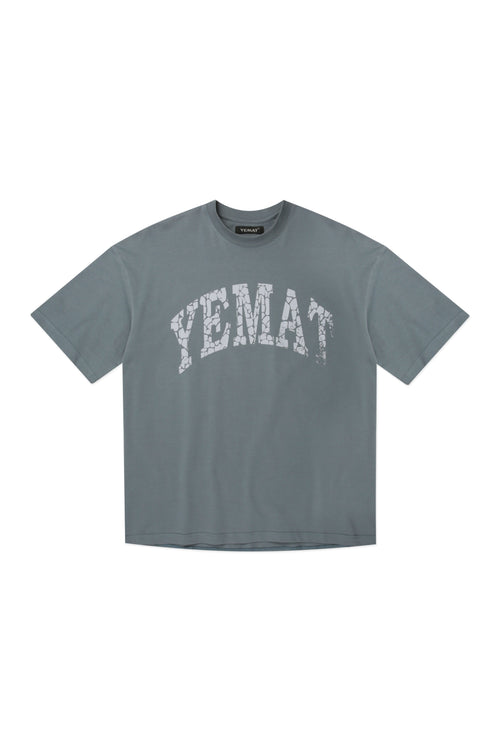
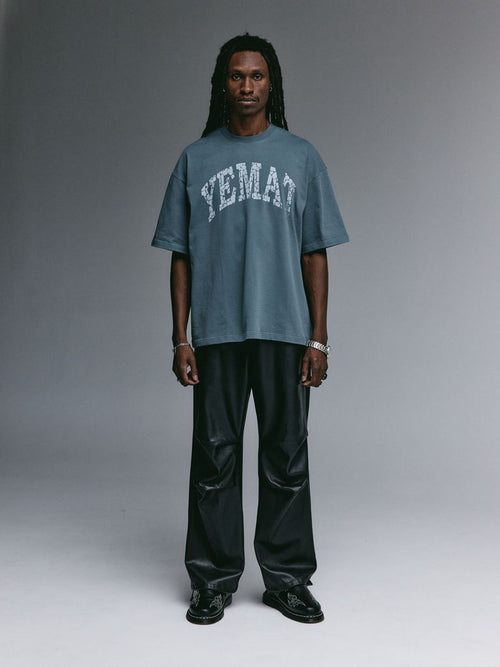
- Fracture Tee: Relaxed 240 GSM Organic Cotton Double-Jersey
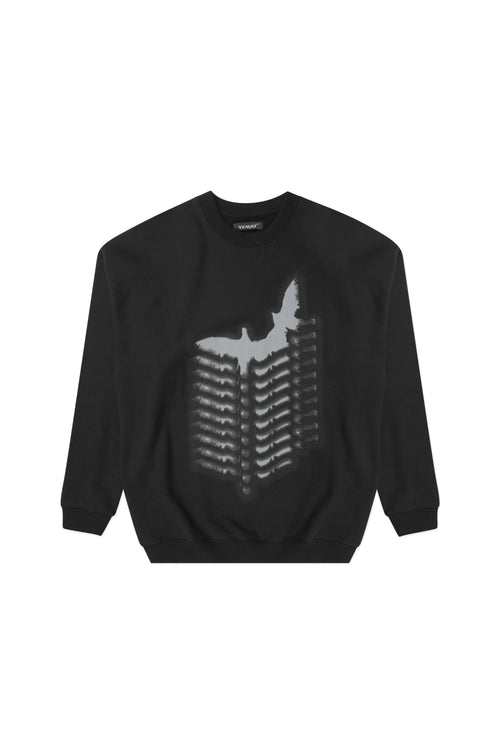
- Airbrush Tee: Boxy Fit with an Integrated Graphic
- How to Wash Heavyweight Cotton Tees So They Keep Their Shape
- The Bottom Line
- Frequently Asked Questions
Last Updated: September 20, 2026
Quick Comparison: Heavyweight Organic Cotton T-Shirts
Most heavyweight tees fail in the wash, not on the hanger. That's the reality of shopping for heavyweight organic cotton in 2026, and it's why so many people who've spent good money on premium basics end up back at fast fashion within a year.
At YEMAT, we build tees at 240 GSM organic cotton double-jersey, designed in Australia and made in northern Portugal, specifically so the shirt you buy is the shirt you still have in three years. Below, we compare four cuts across price, weight, and fit so you can buy heavyweight organic cotton t-shirts that actually hold their shape.
| Tee | Price | Fit | Best For |
|---|---|---|---|
| Velvet Tee Black | $195 | Boxy, widest cut | Wardrobe anchor |
| Velvet Tee White | $195 | Boxy, widest cut | Clean layering |
| Fracture Tee | $145 | Relaxed oversized | Everyday wear |
| Airbrush Tee | $185 | Boxy with graphic | Statement piece |
What Is GSM in T-Shirts (and Why 240 GSM Matters)
GSM stands for grams per square metre, the standard measure of fabric weight in a tee. A 240 GSM jersey is roughly 30% denser than the 180 GSM cotton most brands sell as "premium."

That density is the whole game. Heavier cotton drapes instead of clinging, resists transparency in white, and holds its structure through repeated washing. Lightweight jersey feels soft in the shop and shapeless by month three. Heavyweight jersey breaks in rather than wears out, softening with every wash while keeping the line it was cut with.
For context on how fabric weight is defined and regulated, the Australian standard for textile labelling sets out how fibre content must be disclosed to consumers.
The Benefits of Organic Cotton Clothing
Organic cotton is grown without synthetic pesticides or genetically modified seed, and the fibre is typically longer-staple, which means fewer joins and a smoother hand feel in the finished garment. That's the version most brands give you. Here's what actually sits underneath it.
Why organic fibre behaves differently in a heavyweight tee
Conventional cotton is often stripped and softened with chemical processing to compensate for shorter, weaker fibre. Organic fibre is usually ginned and spun with less aggressive treatment, so the natural waxes and longer staple length survive into the yarn. In a 240 GSM double-jersey, that shows up as three things you can feel:
- Less pilling. Longer staple means fewer fibre ends work their way to the surface and tangle into pills.
- Better colour retention. Dye bonds more evenly to intact fibre, so black stays black and white stays white rather than going grey.
- A softer break-in. The fabric softens with washing instead of thinning out, because the yarn structure is holding together rather than shedding fibre.
The environmental case, with actual metrics
'Sustainable' is a word every brand uses. The measurable differences between organic and conventional cotton farming are well documented by certification bodies and agricultural researchers:
- Water. Organic cotton is typically grown in rain-fed systems rather than heavily irrigated ones. Most industry comparisons put organic cotton water use substantially lower than conventional cotton per kilogram of fibre, largely because healthy organic soil holds moisture better.
- Soil and inputs. Organic systems build soil organic matter over time and avoid synthetic nitrogen fertiliser, which is the single largest energy input in conventional cotton production.
- Processing. GOTS certification restricts the chemicals allowed at every stage, spinning, dyeing, finishing, not just at the farm gate. A garment can be made from organic fibre and still be dyed with restricted substances if it isn't GOTS certified.
What to actually check on the label
If sustainability is part of your decision, look for GOTS certified supply chains. The Global Organic Textile Standard is the benchmark certification covering organic fibre, ethical production, and toxic-free processing from field to finished garment. A 'made with organic cotton' claim is weaker than 'GOTS certified organic', the first can mean as little as a small percentage of the fibre is organic.
Velvet Tee Black: The Boxy Heavyweight Organic Cotton Tee
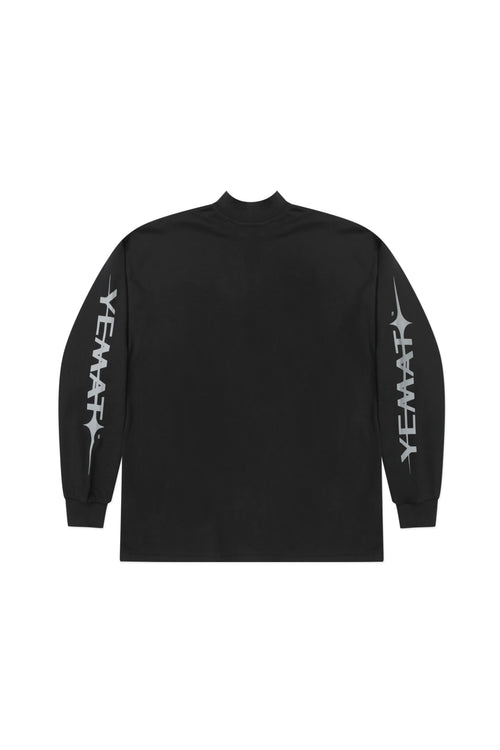
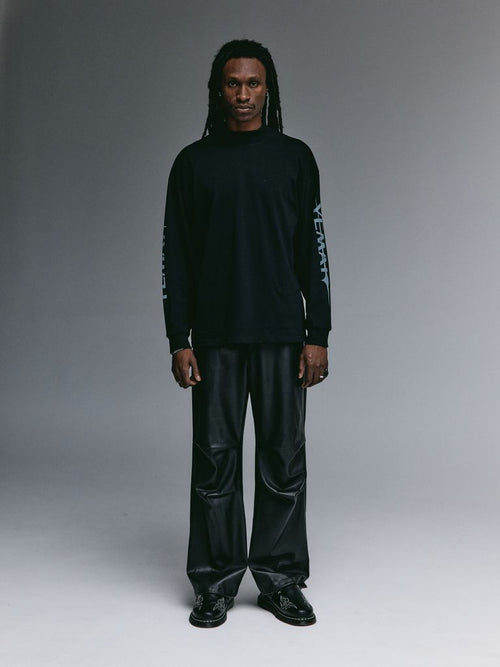
The Velvet Tee Black is the widest cut in the collection: a boxy, heavyweight organic cotton tee in 240 GSM double-jersey with a dropped shoulder and a standard crew neck.


Velvet Tee White: Opaque 240 GSM Organic Cotton
White tees expose cheap fabric faster than any other colour, and the Velvet Tee White solves that with density rather than lining.
Fracture Tee: Relaxed 240 GSM Organic Cotton Double-Jersey
Not everyone wants the widest tee in the range, and the Fracture Tee is the answer to that. It's a relaxed oversized cut, loose and a touch longer, without the square width of the Velvet and Airbrush patterns.

Airbrush Tee: Boxy Fit with an Integrated Graphic
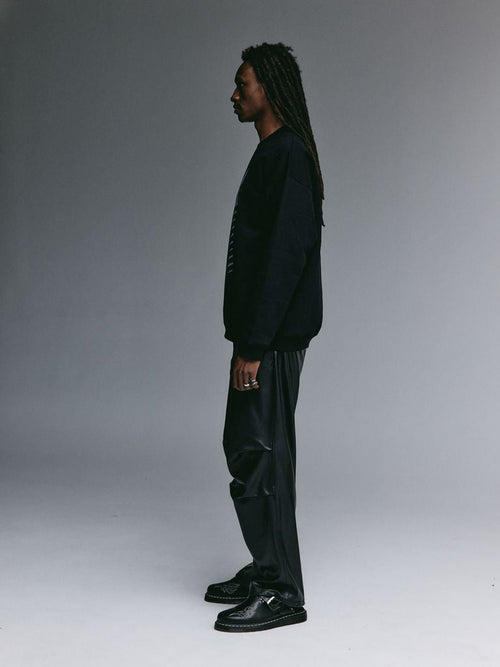
The Airbrush Tee takes the widest pattern in the collection and adds a semi-high crew neck and a pronounced dropped shoulder.
How to Wash Heavyweight Cotton Tees So They Keep Their Shape
Shrinkage and shape loss come from heat, tension, and agitation, not from washing itself. Get those three right and a heavyweight tee will outlast three lightweight ones. Get them wrong and even a 240 GSM jersey will lose its line.
What actually happens to cotton in the wash
Cotton fibre is spun under tension. The first time it meets heat and mechanical agitation, the yarn relaxes and the fabric contracts. Most practitioners find that a well-made, pre-shrunk heavyweight jersey will still move a small amount in the first wash, typically in the low single digits as a percentage of length, and then stabilise. A lightweight, un-pre-shrunk tee can move considerably more, and keeps moving across subsequent washes because the yarn structure is weaker.
The wash routine that protects fit
- Cold wash only (30°C or below). Heat is the primary driver of cotton shrinkage and dye loss. Warm or hot water accelerates both.
- Hang dry, never tumble. A single warm tumble cycle can undo the fit retention the fabric was engineered for. If you must use a dryer, use the lowest heat setting and remove the tee slightly damp.
- Wash inside out to protect prints, raised logos, and the face of the fabric from abrasion against zips and buttons.
- Skip bleach and fabric softener. Bleach attacks dye and fibre; softener coats the yarn and reduces the fabric's natural breathability.
- Do not iron velvet, raised logo areas, or airbrushed graphics. Heat and pressure flatten the surface texture that gives those details their look.
- Wash with similar colours and weights. Heavy zips, denim, and towels abrade lighter jersey in the drum.
Reading the care label properly
Care symbols on a garment label aren't decorative, they're regulated. For what the symbols legally mean and how they must be presented to consumers, the Australian Competition and Consumer Commission guidance on care labelling is the reference point for shoppers. If a brand's recommended care contradicts the label, the label wins.
A note on white and black
White heavyweight tees show grey shadow and yellowing faster than any other colour, and black tees show fading at the collar and shoulders first. Both are slowed dramatically by cold washing, drying in shade rather than direct sun, and avoiding optical brighteners in detergent. At 240 GSM, the fabric has enough density that the colour sits deeper in the yarn, which is why a heavyweight white tee stays opaque and a heavyweight black tee stays black for longer than their lightweight equivalents.
The Bottom Line
Buying heavyweight organic cotton t-shirts comes down to three numbers: fabric weight, fibre quality, and how you wash it. Get 240 GSM organic double-jersey and a cold-wash routine, and the shirt stops being a seasonal purchase.
Frequently Asked Questions
What does GSM mean when buying heavyweight organic cotton t-shirts?
GSM stands for grams per square metre and measures fabric weight. Standard tees sit around 150 to 180 GSM; heavyweight styles start around 200 GSM. The tees in this guide are 240 GSM organic cotton double-jersey, which is dense enough to hang straight, stay opaque in white, and hold its shape through repeated washing. Higher GSM costs more because it uses more cotton per garment, but it also lasts longer.
How do you care for heavyweight organic cotton to prevent shrinking?
Wash cold, hang dry, and skip the bleach. Heat is what shrinks cotton, so a cold machine wash and air drying protect both the fit and the colour. If you iron, keep the iron away from any raised velvet logo areas.
Are heavyweight organic cotton t-shirts better for the environment?
Organic cotton is grown without synthetic pesticides, and heavyweight jersey uses more fibre per garment but typically lasts years instead of one season. That longer wear life is the real environmental argument: fewer replacements means less total production. Look for organic cotton certification on the label, and treat cold washing and hang drying as part of the same picture.
How should a high-quality heavyweight t-shirt fit?
It depends on the cut. Boxy styles are as wide as they are long with straight sides, while oversized styles are loose and a touch longer without the square width. Check the brand's fit note before ordering, because a boxy 240 GSM tee often runs a full size large. If you are between sizes on an oversized cut, take your usual size.
Most wardrobes are full of tees that looked right for one season and lost their shape by the next. YEMAT exists to end that cycle, with 240 GSM organic cotton double-jersey, small-batch production in northern Portugal, and garments engineered to break in rather than wear out. Get started with YEMAT and build a rotation of heavyweight tees that still fit the way they did on day one.
