

Ethical Streetwear Brands in Australia 2026: What to Buy


Shop Premium Structured Streetwear Online: 2026 Guide

Is Expensive Streetwear Worth the Price? A 2026 Review

Best Heavyweight Streetwear Tees 2026: Top 4 Picks
Table of Contents
- What Makes Streetwear Ethical in 2026
- How to Identify Ethical Fashion Brands Without Being Fooled
- Ethical Clothing Accreditation in Australia: What the Labels Prove
- Sustainable Streetwear Brands in Australia: What the Range Actually Looks Like
- Cost Per Wear: The Number That Settles the Price Argument
- What Happens to a Garment at the End of Its Life
- Frequently Asked Questions
Last Updated: September 19, 2026
What Makes Streetwear Ethical in 2026
Ethical streetwear is clothing produced with verified labour standards, traceable materials and a supply chain a buyer can actually check. It is not a vibe or a colour palette. At YEMAT, we build heavyweight pieces from 450 GSM and 240 GSM organic cotton, designed here and made in Portugal, because the weight of a fabric is the most honest sustainability claim a garment can make.
The Six Criteria That Actually Matter
Judge a streetwear label on these six points, in this order:
- Fabric weight and fibre. Heavyweight organic cotton holds its shape and resists the wash-cycle breakdown that sends cheap tees to landfill.
- Traceability. Can the brand name the mill, the factory and the country of manufacture?
- Labour standards. Are garment workers paid a living wage, verified by an independent audit rather than a brand's own statement?
- Accreditation. Is there a third-party certification, or just a sustainability page?
- Production volume. Small-batch runs waste less deadstock fabric than mass production.
- End-of-life plan. Repair, resale or take-back. Most labels have none.
How to Identify Ethical Fashion Brands Without Being Fooled
The fastest test is whether a brand names its factory. Vague language about "ethical partners" and "responsible sourcing" tells you nothing verifiable. A brand with nothing to hide will tell you the country, the mill and often the fabric weight.
Greenwashing Phrases That Mean Nothing
Treat these as decoration until proven otherwise:
- "Eco-friendly" with no certification behind it
- "Sustainable materials" without naming the fibre or its origin
- "Consciously made" or "mindfully produced"
- A leaf logo with no accreditation body attached
- Carbon-neutral claims bought through offsets rather than reduced emissions
The Australian Competition and Consumer Commission guidance on environmental claims sets out what businesses can and cannot say about sustainability. If a claim would not survive that test, it should not survive your shortlist either.
Ethical Clothing Accreditation in Australia: What the Labels Prove
Accreditation is the shortcut past the marketing, but only if you know what each scheme actually audits. Two labels can both say "certified" and verify completely different things. Match the scheme to the claim you care about, then check the certificate number on the issuing body's own register rather than trusting a logo on a hangtag.
| Accreditation | Who Runs It | What It Verifies | What It Does Not Cover | Best For |
|---|---|---|---|---|
| Ethical Clothing Australia | An accredited Australian program working with brands and manufacturers | Labour standards across the local cut-make-trim supply chain, including homeworkers | Offshore manufacturing, fibre origin, environmental impact | Local manufacturing labour rights |
| Fair Trade (FLO-CERT) | Fairtrade International's independent certifier | Living wage, worker conditions, no child labour, premium paid to producer groups | Fabric weight, durability, end-of-life | Labour rights in the fibre and sewing stages |
| GOTS | Global Standard gGmbH | Organic fibre from farm to finished garment, plus chemical and wastewater rules at processing | Labour conditions beyond the certified supply chain | Organic cotton and other organic fibres |
| OEKO-TEX Standard 100 | International Association for Research and Testing in the Field of Textile and Leather Ecology | No harmful substances in the finished textile, tested against limit values | Fibre origin, labour, carbon | Skin safety, especially for sensitive skin |
| B Corp | B Lab | Whole-business social and environmental score across governance, workers, community, environment and customers | Any single garment's supply chain | Company conduct and accountability |
| Global Recycled Standard | Textile Exchange | Recycled content claims and chain of custody through production | Labour conditions, durability | Recycled fibre claims |
How to Actually Verify a Claim
A logo is not evidence. The verification steps that matter:
- Get the certificate number. Every credible scheme issues one. Ask the brand for it in writing.
- Check the issuing body's public register. GOTS, OEKO-TEX, Fairtrade and B Corp all maintain searchable databases. If the brand cannot point you to one, treat the claim as unverified.
- Check the scope. A GOTS certificate covers a specific facility and product category, not every item a brand sells. A B Corp score covers the company, not a specific tee.
- Check the date. Certifications expire and are renewed annually or biennially. An expired certificate is not a current claim.
The Local Manufacturing Trap
A common misconception is that Ethical Clothing Australia accreditation is the gold standard for all local labels. It is not. It accredits businesses manufacturing domestically, and a label made offshore, as most premium streetwear is, will not carry it. That is not automatically a red flag. What matters is whether the offshore factory is named, whether its labour standards are audited by an independent body, and whether the brand will share the audit.
A Practical Shortlist Test
Before you buy, run three checks:
- Does the brand name the mill, the factory and the country of manufacture?
- Does it hold at least one third-party certification relevant to the claim it makes, labour, fibre or chemical safety?
- Can you verify that certification on the issuing body's register in under five minutes?
A brand that passes all three is doing real work. A brand that passes none is selling you a colourway.
Sustainable Streetwear Brands in Australia: What the Range Actually Looks Like
A genuinely sustainable range is narrow, not endless. Small-batch production means fewer colourways and heavier fabric, because the economics only work when the garment lasts.

Hoodies and Jumpers
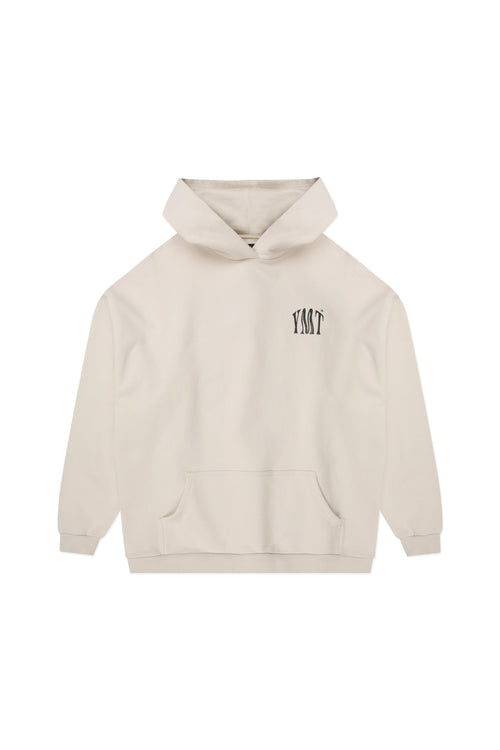
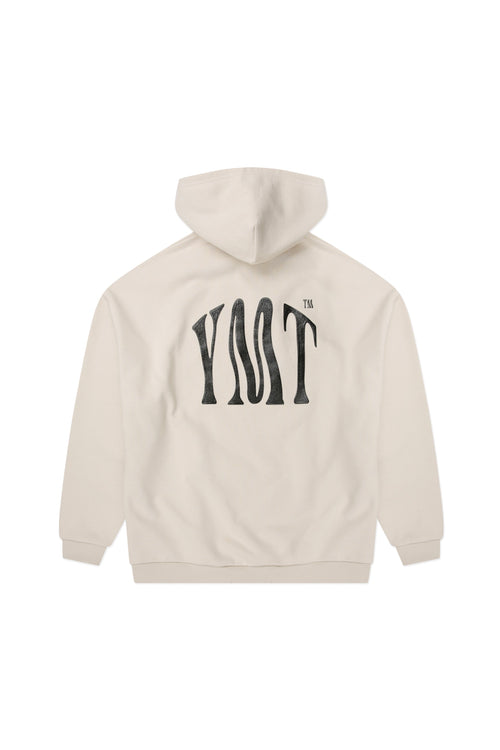
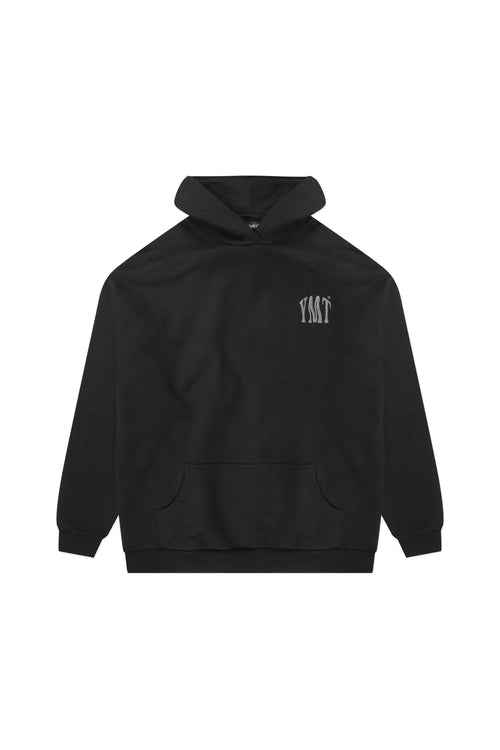
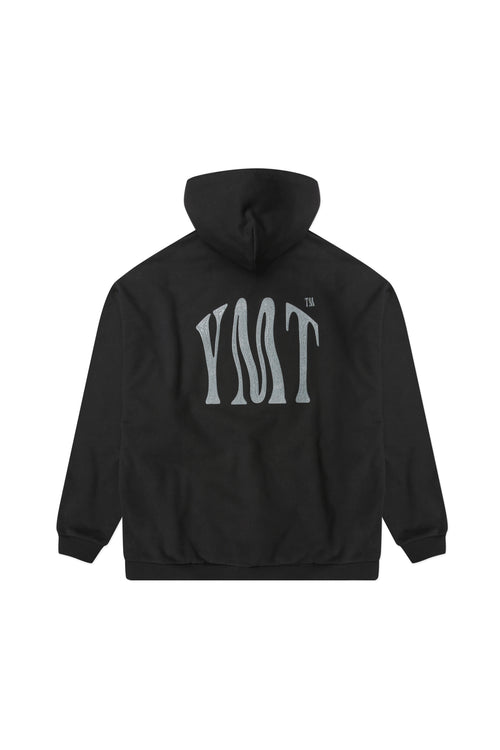
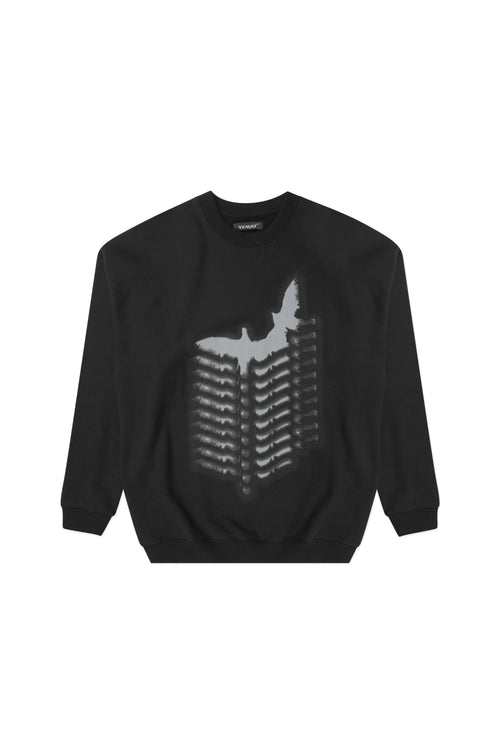
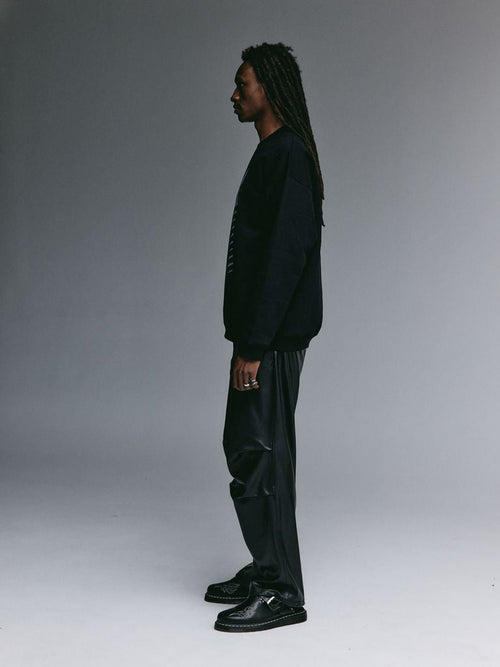
The Force Hoodie Black and Force Hoodie Beige are both 450 GSM brushed organic cotton fleece with a double-layer hood that stands rather than collapses, at $295. The Relic Jumper uses the same 450 GSM fleece in a crew neck cut, at $244. For context, most sweatshirts sit around 300 GSM. That gap is the difference between a hoodie that survives three winters and one that pills by August.

Tees and Long Sleeves
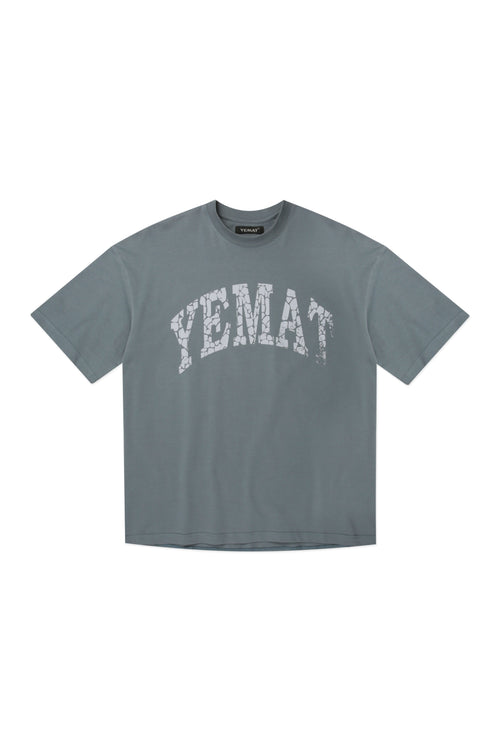
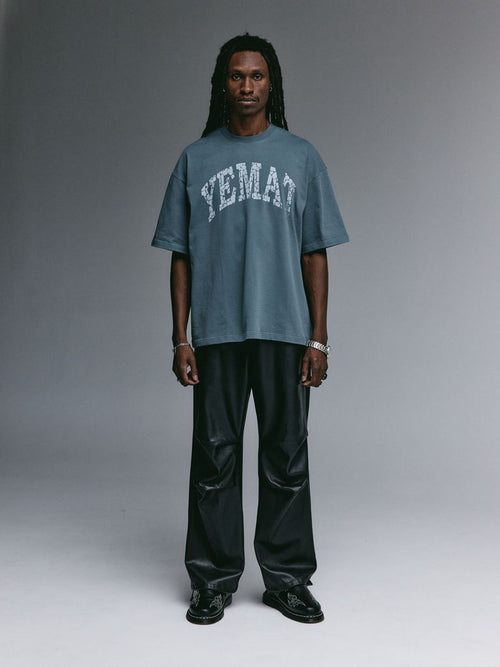
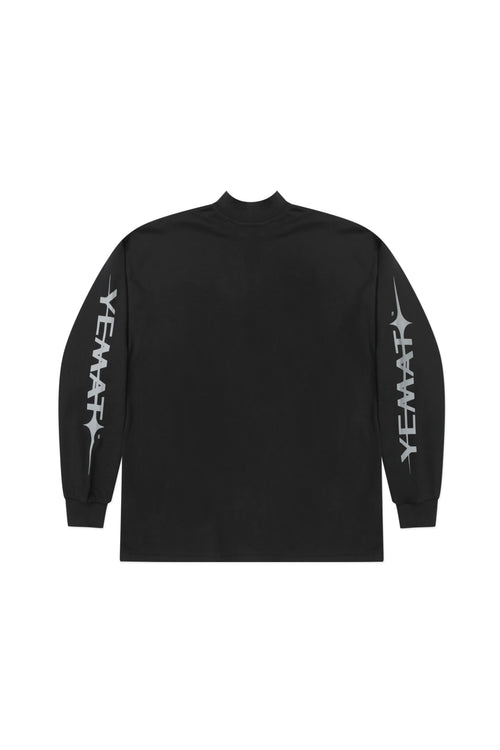
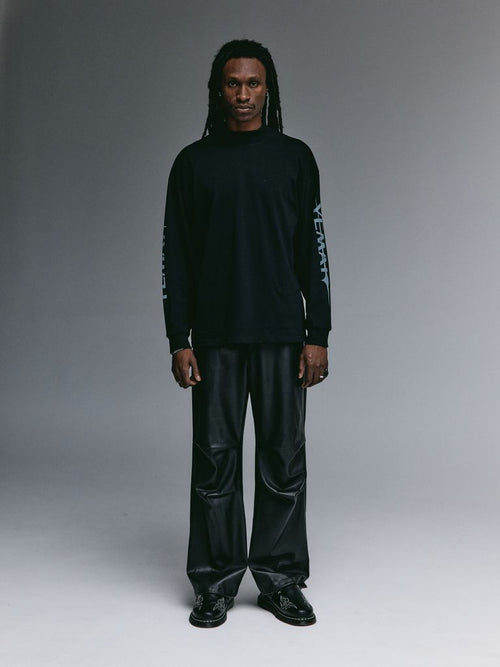
The Velvet Tee Black and Velvet Tee White are 240 GSM organic cotton double-jersey, boxy and opaque, at $195. The Fracture Tee offers the same weight in deep teal with a restrained print at $145, and the Airbrush Tee carries a graphic sprayed into the fibre rather than printed on top, at $185. The Shadowline Longsleeve rounds out the range at $204.
Cost Per Wear: The Number That Settles the Price Argument
Cost per wear is the purchase price divided by the number of times you wear the garment. A $195 tee worn twice a week for three years (about 312 wears) costs about $0.63 per wear. A $25 fast-fashion tee worn ten times costs $2.50.
What Happens to a Garment at the End of Its Life
Most streetwear ends up in landfill, and textile waste is one of the fastest-growing waste streams in the country. The fix starts at purchase, buy fewer, heavier pieces and keep them longer, but it does not end there. Closing the loop means knowing exactly where a garment goes when you are done with it, and the options are more specific than most guides admit.
The Four Pathways, In Order of Preference
1. Repair first. A blown seam, a dropped hem or a worn cuff is a repair, not a replacement. Most heavyweight organic cotton garments can be repaired by a local tailor or mender for a fraction of the cost of a new piece. For knits, a visible mending approach, darning or sashiko-style stitching, extends life without hiding the repair. The environmental case is simple: the most sustainable garment is the one you already own.
The Fibre Content Decision You Make at Purchase
End-of-life outcomes are decided at the point of sale, not at the bin. A garment made from a single natural fibre is repairable, resellable, biodegradable and recyclable. A garment made from a blended synthetic is usually none of those things. This is the practical reason to favour heavyweight organic cotton over cheaper poly-cotton fleece, even when the price gap is uncomfortable.
What to Ask a Brand Before You Buy
- Does the brand offer a repair service, a take-back scheme or a resale platform?
- Will it tell you the fibre composition down to the percentage, not just "cotton blend"?
- Does it publish care instructions that extend life, cold wash, low spin, air dry?
- Does it design for disassembly, or are trims and linings fused in a way that prevents recycling?
Quality over quantity is not a slogan. It is the only strategy that reduces your carbon footprint without asking you to buy less of what you actually enjoy wearing.
Frequently Asked Questions
How can I verify if a streetwear brand is truly sustainable?
Check the fabric weight and fibre first: a 450 GSM organic cotton fleece or 240 GSM double-jersey tee tells you more about lifespan than a sustainability badge. Then look for named accreditations, a stated manufacturing location and a published care guide. Brands that disclose where a garment is made and how much it weighs are usually the ones with nothing to hide. Vague claims like 'eco-friendly' with no fibre, weight or factory named are a warning sign.
What defines a streetwear brand as ethical?
Four things carry most of the weight: the fibre (organic cotton over conventional, recycled polyester over virgin), the factory (named location, audited conditions, living wage), the production model (small-batch and limited runs rather than endless overstock), and transparency (supply chain details published, not implied). A brand can be strong on one and weak on another, so judge the whole picture rather than a single certification logo.
Are there Australian-designed streetwear brands that use organic materials and heavyweight fabric?
Yes. YEMAT designs in Australia and manufactures in northern Portugal using 450 GSM organic cotton brushed fleece for its hoodies and jumpers, and 240 GSM organic cotton double-jersey for its tees and long sleeves. The Force Hoodie Black and Force Hoodie Beige sit at $295, the Relic Jumper at $244, the Velvet Tees at $195, the Airbrush Tee at $185, the Fracture Tee at $145 and the Shadowline Longsleeve at $204. Heavier fabric holds its shape through repeated washing, which is where lighter garments fail.
How much will a heavyweight organic cotton tee actually shrink?
Shrinkage depends on fibre preparation and how the garment is washed, not on the word 'organic'. Cold washing and hang drying keeps a 240 GSM double-jersey tee close to its cut size, which is why every YEMAT piece carries those instructions on the label. Skip the dryer. If a tee does arrive wrong, YEMAT offers free 14-day size exchanges rather than leaving you with a garment you will not wear.
What is the cost per wear on a premium streetwear piece compared to fast fashion?
Divide the price by the number of wears. A $195 Velvet Tee worn twice a week for two years (about 208 wears) works out at roughly $0.94 per wear. A $30 fast-fashion tee replaced every four months over the same period costs about the same in cash but sends six garments to textile waste instead of one. The maths only works if the fabric is heavy enough to survive the timeline, which is why GSM matters more than the price tag.
