

Durable Streetwear for Everyday Wear: 2026 Guide


7 Benefits of Portuguese Garment Manufacturing for Premium Brands

Buy Heavyweight Organic Cotton T-Shirts: 2026 Guide

Ethical Streetwear Brands in Australia 2026: What to Buy
Table of Contents
- What Makes Streetwear Durable Enough for Everyday Wear
- Fabric Weight and GSM: The Number That Decides Longevity
- Construction Details That Separate Built-to-Last from Built-to-Fade
- High GSM Organic Cotton Benefits for Daily Rotation
- YEMAT Pieces Built for Everyday Wear
- How to Style Heavyweight Tees for Office Wear
- Streetwear Garment Care Guide for Longevity
- Sizing, Shrinkage and Fit Longevity
- Frequently Asked Questions
Last Updated: September 25, 2026
What Makes Streetwear Durable Enough for Everyday Wear
Durable streetwear for everyday wear comes down to two measurable things: fabric weight and construction. Get those right and a piece survives years of rotation; get them wrong and you're replacing it every season.
Fabric Weight and GSM: The Number That Decides Longevity
GSM stands for grams per square metre, how much fabric sits in a given area. Higher GSM means denser, heavier cloth that resists stretching and takes far longer to wear through.
For everyday rotation, the useful benchmarks are straightforward:
- Under 180 GSM: Lightweight. Fine for summer basics, poor for structure.
- 180-220 GSM: Midweight. The standard for most retail tees.
- 240 GSM and up: Heavyweight. Opaque, structured, holds its neckline.
- 400-450 GSM: Heavy fleece. Winter weight, built to last years.
Construction Details That Separate Built-to-Last from Built-to-Fade
Construction is where durability is won or lost, and it's invisible in product photos, the details sit in the seams, ribbing and finishing.
Look for these markers:
- Twin-needle stitching at hems and sleeves, which prevents the seam from splitting under repeated washing
- Ribbed collars and cuffs that recover their shape rather than stretching out
- Straight side seams instead of tapered ones, which distort less over time
- Double-layer hoods on fleece, so the hood stands rather than collapses after a wash
- Pre-shrunk or dyed-before-cutting fabric, which limits how much a garment moves after the first wash
High GSM Organic Cotton Benefits for Daily Rotation
High GSM organic cotton gives you three things lightweight cotton cannot: opacity, structure and a longer useful life, a result of fibre length and how the yarn is spun, not just the weight on the label.
How the fibre behaves across a wash cycle
With heavyweight organic cotton, the first two or three washes tighten the fabric slightly, then it stabilises, the knit settling, not dramatic shrinkage. After that, cold washing and hang drying keep it close to its cut dimensions for years. Lightweight cotton keeps moving: the neckline relaxes, the body twists.
Where organic cotton is not the right answer
Organic cotton is not automatically more durable than conventional cotton of the same weight and staple length. Durability comes from weight, knit structure and finishing, organic certification is a separate claim about how the fibre was grown. A 240 GSM conventional cotton tee with good construction will outlast a 180 GSM organic one every time. Treat organic as a sourcing preference, not a durability guarantee.
YEMAT Pieces Built for Everyday Wear
YEMAT builds to a fixed weight standard rather than a seasonal trend: 450 GSM brushed organic fleece and 240 GSM organic cotton double-jersey, designed in Australia, made in Portugal, and produced in small batches.

Force Hoodie Black and Beige: 450 GSM Fleece
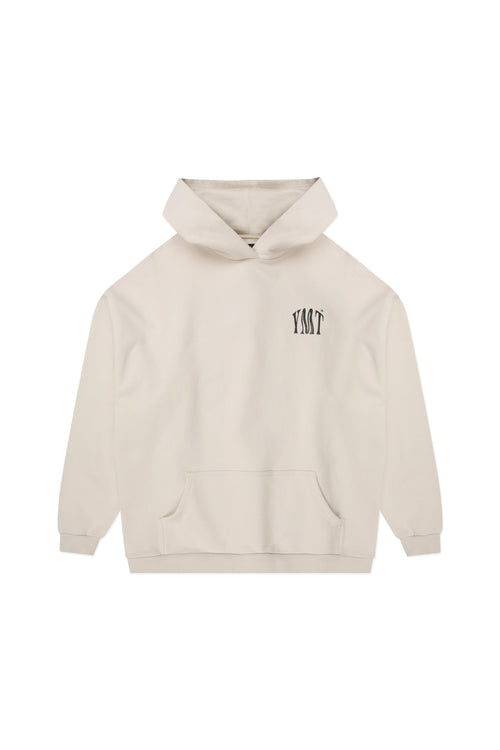
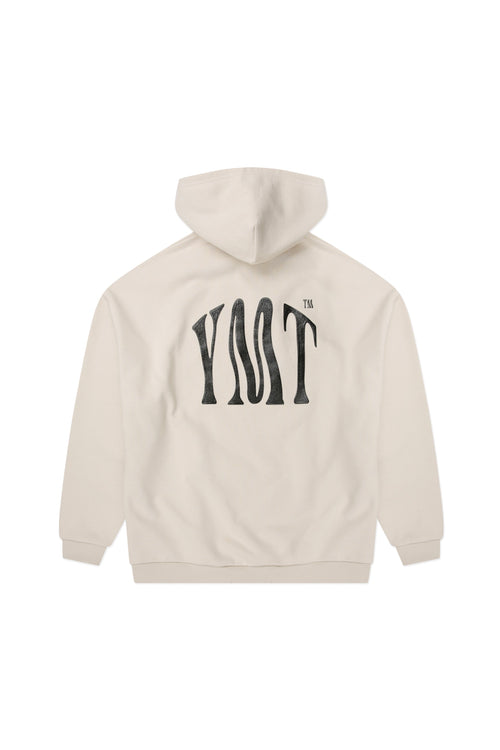
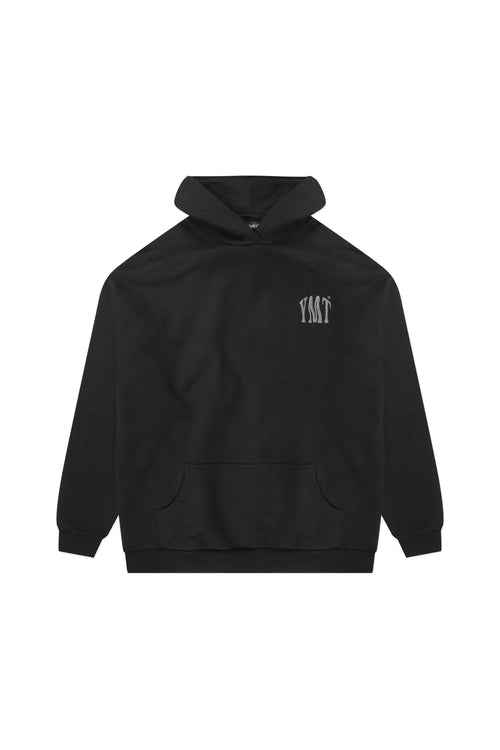
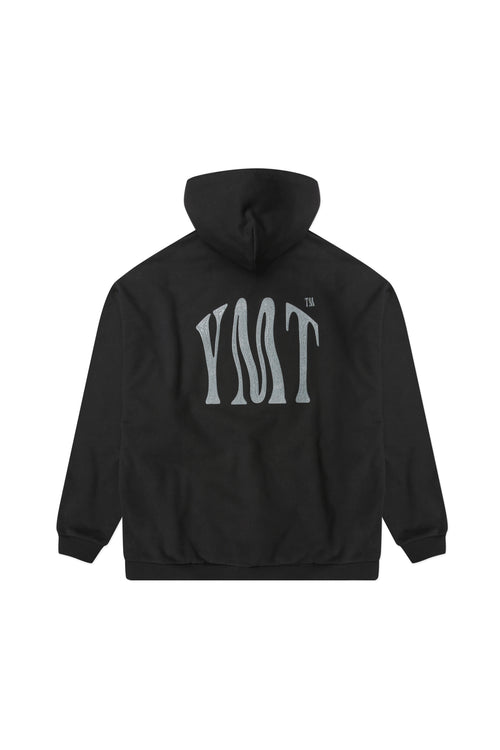
The Force Hoodie is the heaviest piece in the range at 450 GSM brushed organic cotton fleece, cut oversized with a dropped shoulder. The double-layer cotton hood holds its shape, and the YEMAT suction print sits front and back. It's a winter and cool-evening piece, roughly May to September for most of the country. Available in Force Hoodie Black and Force Hoodie Beige, both $295.00.

Relic Jumper: 450 GSM Crewneck
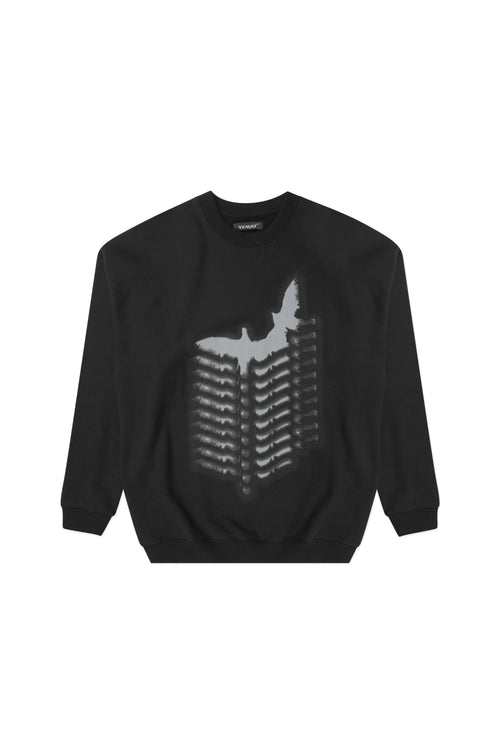
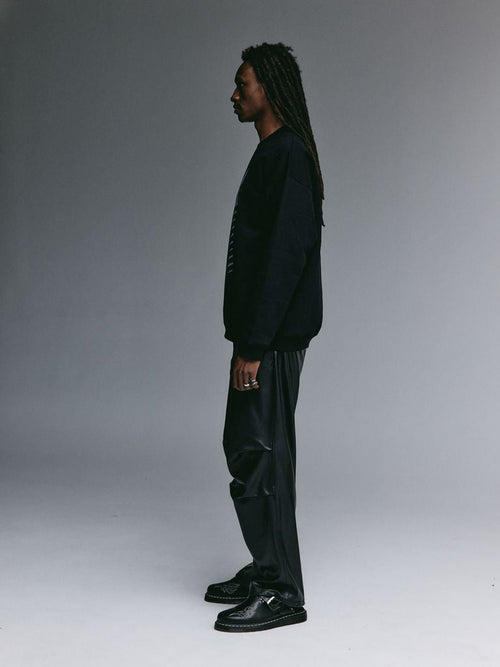
The Relic Jumper uses the same 450 GSM fleece, cut slightly narrower through the chest with no hood or zip. It's $244.00, ribbed at collar, cuff and hem, and layers over the Shadowline Longsleeve.

Velvet Tee, Fracture Tee and Airbrush Tee: 240 GSM Jersey
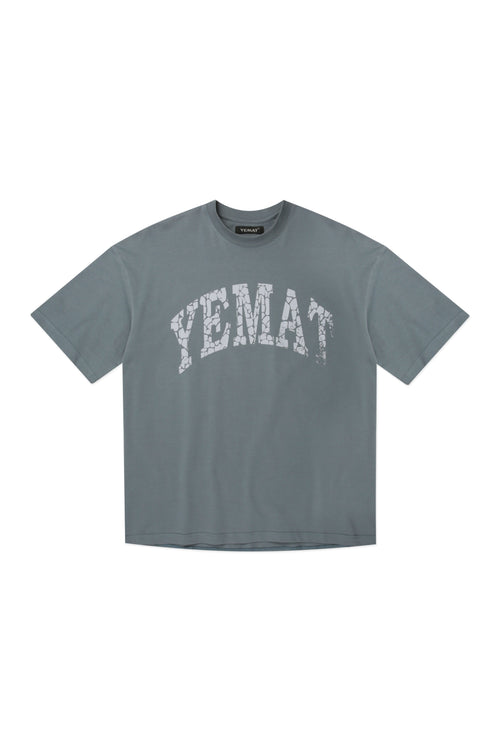
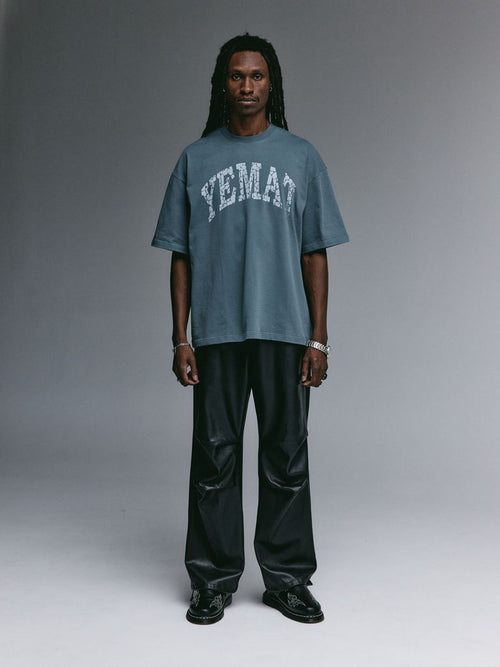
The tee range sits at 240 GSM organic cotton double-jersey, where opacity and structure begin. The Velvet Tee Black and Velvet Tee White are the widest cuts at $195.00, the Fracture Tee is a looser oversized cut at $145.00, and the Airbrush Tee carries a spray-integrated graphic at $185.00.

Shadowline Longsleeve: Layering Weight
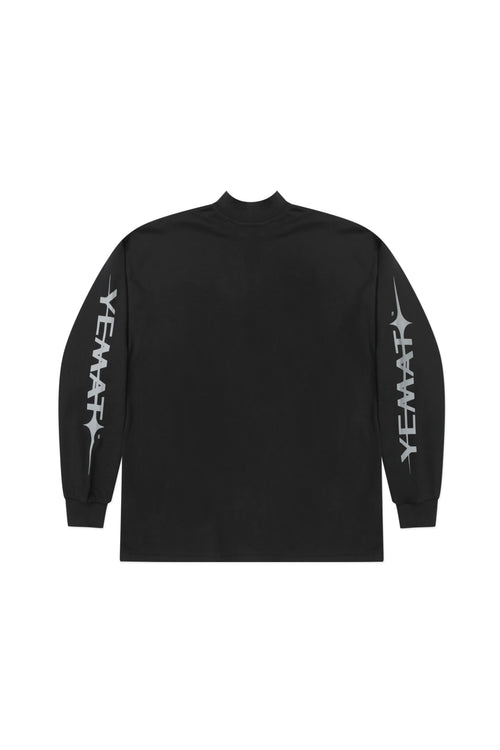
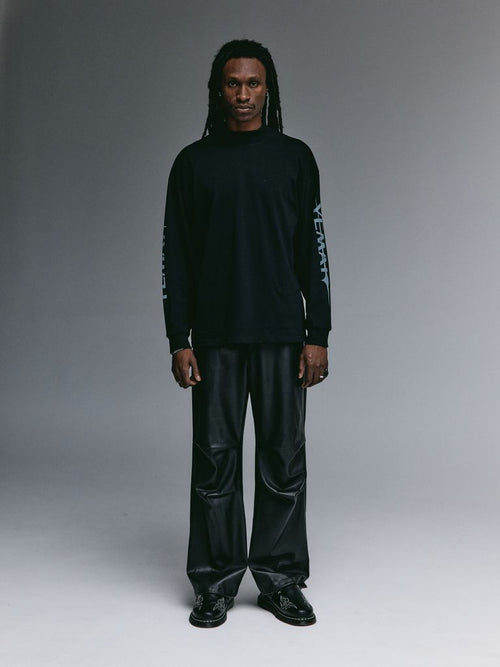
The Shadowline Longsleeve is 240 GSM jersey at $204.00 with the highest crew neck in the collection and ribbed cuffs that stay put when pushed up. It wears alone in spring and autumn, and under the Relic Jumper in winter.
| Piece | Fabric Weight | Price | Best For |
|---|---|---|---|
| Force Hoodie | 450 GSM fleece | $295.00 | Winter and cool evenings |
| Relic Jumper | 450 GSM fleece | $244.00 | Layering without a hood |
| Velvet Tee | 240 GSM jersey | $195.00 | Boxy everyday tee |
| Fracture Tee | 240 GSM jersey | $145.00 | Looser oversized fit |
| Airbrush Tee | 240 GSM jersey | $185.00 | Graphic statement |
| Shadowline Longsleeve | 240 GSM jersey | $204.00 | Spring and autumn layering |
How to Style Heavyweight Tees for Office Wear
Styling heavyweight tees for office wear works because the fabric does the work a blazer usually does: it holds a line. A 240 GSM tee reads as considered rather than casual, exactly what a corporate wardrobe needs.
The formula is simple:
- Choose a structured cut. A boxy or oversized tee with a dropped shoulder sits cleanly under an unstructured jacket.
- Stick to solid, muted colours. Black, white and deep teal read more formal than prints.
- Tuck or half-tuck. A heavyweight tee holds a tuck because the fabric has body.
- Pair with tailored trousers. The contrast between a relaxed top and a sharp bottom is the whole look.
- Layer with a long sleeve. The Shadowline Longsleeve under a jumper covers a full working week.
Streetwear Garment Care Guide for Longevity
Care is where most wardrobes lose their investment. Heavyweight cotton is forgiving, but the difference between three years and ten comes down to three habits: how you wash, how you dry, and whether you repair before damage spreads. The useful question is what each habit does to the fibre.
What washing actually does to heavyweight cotton
- Heat causes shrinkage and fading. Hot water relaxes the cotton fibre and lets the knit contract unevenly, so a hot-washed tee often comes back shorter in the body than the sleeves. Cold water keeps the knit stable.
- Agitation causes pilling. The drum abrades surface fibres. Washing heavyweight fleece inside out with fewer items in the load reduces that friction.
- Detergent residue stiffens fabric. A second rinse, or slightly less detergent than the bottle suggests, keeps the hand-feel soft.
- Fabric softener coats the fibre. It feels good for a few wears, then traps odour and reduces breathability. Skip it on heavyweight cotton.
Drying and storing without distorting the cut
- Hang dry on a wide hanger or flat on a rack. Narrow hangers stretch a heavyweight tee's shoulder line; flat drying is best for fleece, which can stretch under its own weight when wet.
- Keep fleece out of direct sun. UV fades dyed fleece faster than jersey, and unevenly on brushed surfaces.
- Fold, don't hang, knitwear. A 450 GSM jumper on a hanger grows at the shoulders over a season.
- Store clean. Body oils and deodorant residue set into the fibre over months; a wash before seasonal storage prevents yellowing on white and beige pieces.
For printed and graphic pieces, turning the garment inside out before washing protects the surface. Airbrush graphics integrated into the fibre, like the Airbrush Tee, cannot crack the way surface prints do, but the care habits still apply.
Repair before you replace: a simple mending routine
This is where the real longevity gains sit. A heavyweight piece with a small fault is almost always worth repairing, because the base fabric has years left in it.
- Loose seam or split hem: a backstitch in matching thread takes ten minutes and stops the split spreading. Twin-needle seams rarely fail outright, but a single broken thread can unravel if left.
- Small hole or moth nip: a woven darn blends into heavyweight jersey far better than thin cotton, because the fabric has enough body to hide the repair.
- Pilling on fleece: a fabric shaver or fine-toothed comb removes pills without cutting into the knit. Do this before pills mat together and start pulling fibres loose.
- Stretched neckline: a warm (not hot) soak followed by flat drying brings a ribbed collar back partway. It won't fully recover a heat-damaged collar, so prevention matters more than cure.
- Faded graphic: a fabric marker in the matching colour disguises small cracks on surface prints; integrated graphics fade evenly and read as intentional wear.
Upcycling when a piece reaches the end
Even a well-made garment eventually reaches the point where repair isn't worth it. Heavyweight cotton and fleece are good candidates for a second life:
- Cut down to a cropped tee or a shorter jumper. Heavyweight fabric holds a raw hem better than lightweight cotton, which frays quickly.
- Turn a worn hoodie into a zip pouch or a tote. The 450 GSM fleece is sturdy enough to carry weight without a lining.
- Use the fabric as patching material for other heavyweight pieces. Matching fabric weight makes an invisible repair much easier.
Sizing, Shrinkage and Fit Longevity
Shrinkage is the most common complaint about organic cotton, and it's mostly a heat problem rather than a fibre problem. Cotton washed cold and hung to dry moves very little.
Fit longevity comes down to two choices:
- Take your usual size for the oversized fit shown, or size down for something closer to the body.
- Check the fit note per piece. The Velvet and Airbrush tees run a full size large; the Fracture Tee sits between sizes.
Frequently Asked Questions
What fabric weight is best for durable streetwear?
For everyday wear, 240 GSM double-jersey works for t-shirts and long sleeves, while 450 GSM brushed fleece suits hoodies and jumpers. YEMAT's Force Hoodie and Relic Jumper both use 450 GSM organic cotton fleece, and the Velvet Tee, Fracture Tee and Airbrush Tee use 240 GSM organic cotton double-jersey. Higher GSM means denser fabric that resists stretching and holds its shape through repeated washing.
Is organic cotton more durable for daily wear?
Organic cotton is not automatically more durable, but the way it is spun and knitted matters more than the certification alone. YEMAT uses 240 GSM and 450 GSM organic cotton, which is significantly denser than the 180 GSM jersey common in fast fashion. Denser knit structures resist thinning, pilling and shape loss, so the garment keeps its cut after months of rotation.
How should I care for heavyweight streetwear to ensure longevity?
Cold wash and hang dry. Heat is what shrinks cotton and breaks down ribbing, so avoid hot water and tumble drying. YEMAT recommends cold washing all pieces and hanging them to dry. For the Velvet Tee, do not bleach or iron the velvet areas. For the Force Hoodie Beige, wash with similar colours to keep the tone even. These steps preserve fabric weight and colour depth.
How much will a heavyweight tee shrink after washing?
Shrinkage depends on the fabric and how it is washed. Dense 240 GSM organic cotton double-jersey moves less than lighter, loosely knitted tees. Following the cold wash and hang dry instructions keeps the fit close to what you receive. YEMAT offers free 14-day size exchanges if the fit is not right.
What are the signs of poor-quality streetwear construction?
Look at the ribbing, the seams and the fabric weight. Thin, flimsy ribbing at the collar and cuffs stretches out within weeks. Single-stitched side seams split under stress. Fabric below 200 GSM feels thin and loses shape quickly. YEMAT pieces use twin-needle stitching, ribbed collars and cuffs, and 240 GSM or 450 GSM fabric, all of which hold up to regular wear and washing.
Building a wardrobe that lasts is a choice about weight and construction, not brand names. YEMAT designs in Australia and makes in Portugal, using 450 GSM brushed organic fleece and 240 GSM organic cotton double-jersey so every piece holds its structure and softens rather than wears out. Free express shipping and free 14-day size exchanges make it easy to start with one piece and build from there. Get started with YEMAT and build a rotation that outlasts the season.
