

Styling Heavyweight Tees for Office Wear


Why Heavyweight Organic Cotton Lasts Longer

Kith vs Fear of God Quality: A 2026 Comparison

Best Heavyweight Cotton T-Shirt Brands
Table of Contents
- Why Heavyweight Tees Work in the Office
- The Right Fit: Structured Silhouettes Over Sloppy Drape
- Building a Business Casual Streetwear Foundation
- How to Layer Heavyweight T-Shirts for Cooler Months
- Office to After-Hours: Styling for Both Settings
- Maintaining High-GSM Cotton Garments for Longevity
- Common Mistakes to Avoid with Office Tees
- Final Thoughts on Office-Ready Heavyweight Tees
- Frequently Asked Questions
Last Updated: September 8, 2026
Why Heavyweight Tees Work in the Office
The modern office has shifted away from starched collars, yet the dress code still demands more than a faded band shirt. Styling heavyweight tees for office wear bridges that gap, offering enough structure to read as intentional rather than sloppy.
The key distinction comes down to fabric weight. Standard tees in the 150-180 GSM range cling, wrinkle, and lose their silhouette within hours (peer-reviewed research). Heavyweight options typically start around 240 GSM and provide the density needed to sit properly under a blazer or standalone.
This guide covers the fit principles, layering techniques, and maintenance routines that make heavyweight tees office-appropriate, from business casual streetwear foundations to after-hours transitions.
The Right Fit: Structured Silhouettes Over Sloppy Drape
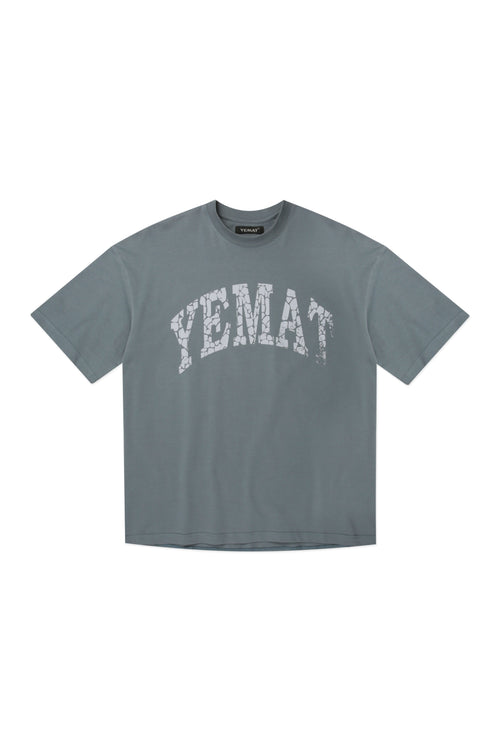
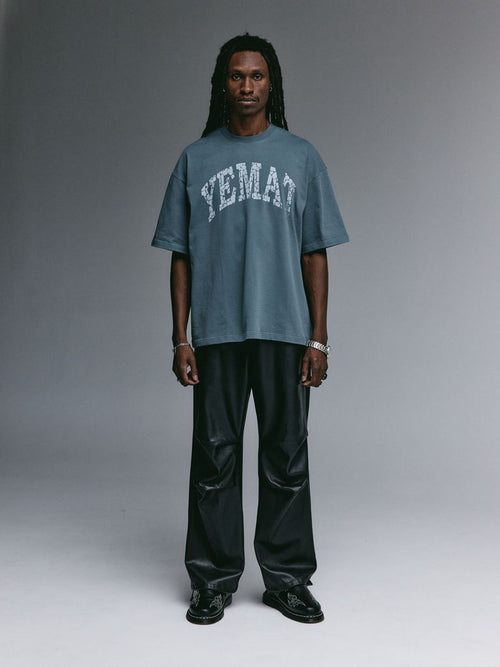
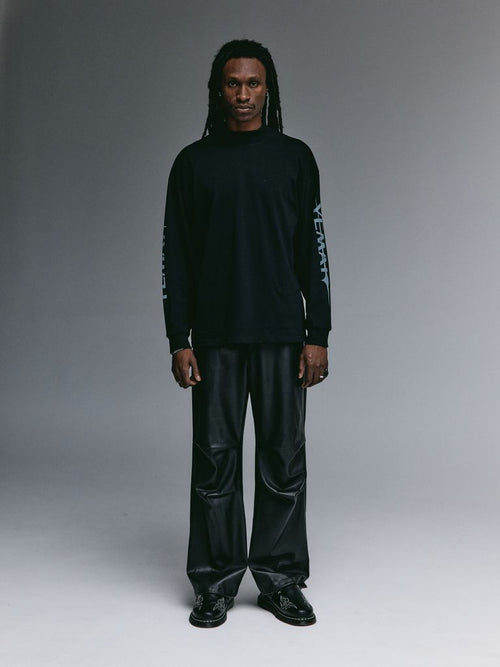
Fit determines whether a heavyweight tee reads as elevated workwear or gym attire. The shoulder seam should sit at the acromion bone, the sleeve should hug the bicep without compression, and the hem should fall no lower than mid-hip.
Measuring for a Professional Silhouette
Take three measurements before selecting a tee for office wear:
-
Shoulder width: Measure from the acromion bone (the bony point at the top of your shoulder) across to the same point on the other side. The tee's shoulder seam should land within 1-2 cm of this measurement. A seam that falls 3 cm or more past this point creates that slouched, weekend-only look.
-
Chest circumference: Wrap a tape measure around the fullest part of your chest, keeping it level. Add 5-8 cm of ease for a tee that skims rather than clings. More than 12 cm of ease produces fabric that bunches under a blazer.
-
Torso length: Measure from the high point of your shoulder down to your natural waist. The hem should sit between your belt line and mid-hip, long enough to stay tucked if needed, short enough to avoid adding bulk when worn untucked.
How Fit Interacts with Tailoring
A blazer's lapel roll and button stance assume a relatively flat torso beneath. A tee with excess fabric through the waist creates ridges that show through the jacket's front panels, particularly when seated.
For office settings, choose a relaxed-straight cut that follows your torso without clinging, offering enough room for movement while maintaining vertical lines.
The Sleeve Question
A short sleeve should end at the midpoint of your bicep, with an opening that fits two fingers comfortably; any looser and the fabric flares when you reach for documents or shake hands.
Long-sleeve heavyweight tees follow different rules. The cuff should sit at the wrist bone, with enough room to slide a finger between fabric and skin. Under a blazer, the sleeve should extend 1-1.5 cm past the jacket sleeve.
Fit by Body Type
- Broad shoulders, narrow waist: Look for a tee with a slight taper through the torso. A boxy cut will add visual bulk where you least want it.
- Slender frame: A straight cut with a higher GSM (240-260) adds structure that mimics a shirt's presence. Avoid anything with drop shoulders, which emphasises a narrow upper body.
- Athletic build: Prioritise stretch in the fabric, look for cotton with 2-3% elastane, to accommodate chest and shoulder movement without clinging through the waist.
The Tuck Decision
Whether to tuck depends on workplace formality and trouser cut. A full tuck works when the tee has enough length (at least 8 cm below the waistband) and the trousers sit at the natural waist. A front tuck suits higher-rise trousers. Skip the tuck only when wearing a blazer that covers the hemline completely.
Building a Business Casual Streetwear Foundation
Business casual streetwear succeeds when premium basics replace fast-fashion counterparts. Start with a heavyweight tee in a neutral palette: white, black, heather grey, or olive. These colours integrate seamlessly with tailored trousers, chinos, and dark denim.

Decoding the Business Casual Dress Code
Most Australian corporate dress codes define business casual as 'no suit required, but no denim or sneakers'. That leaves a wide middle ground where heavyweight tees can thrive:
- Level 1, Smart Casual: Tee + tailored chinos + leather loafers. Appropriate for creative agencies, tech companies, and casual Fridays.
- Level 2, Business Casual: Tee + wool-blend trousers + derby shoes or minimal leather sneakers. Suitable for most professional services environments.
- Level 3, Elevated Business Casual: Tee + structured blazer + tailored trousers. Works for client meetings and presentations where a full suit feels excessive.
The key distinction: the tee replaces the shirt, not the trousers.
Five Outfit Formulas That Work
Formula 1: The Client Meeting
- White heavyweight tee (240 GSM)
- Charcoal wool-blend trousers
- Navy unstructured blazer
- Black leather derby shoes
- Why it works: The white tee provides a clean canvas; the blazer adds authority; the wool trousers anchor the formality level.
Formula 2: The Creative Agency Day
- Heather grey heavyweight tee
- Olive chinos with a straight leg
- Suede desert boots or clean white leather sneakers
- Why it works: Grey reads as more casual than white but still neutral; chinos bridge the gap between denim and tailored trousers.
Formula 3: The Presentation
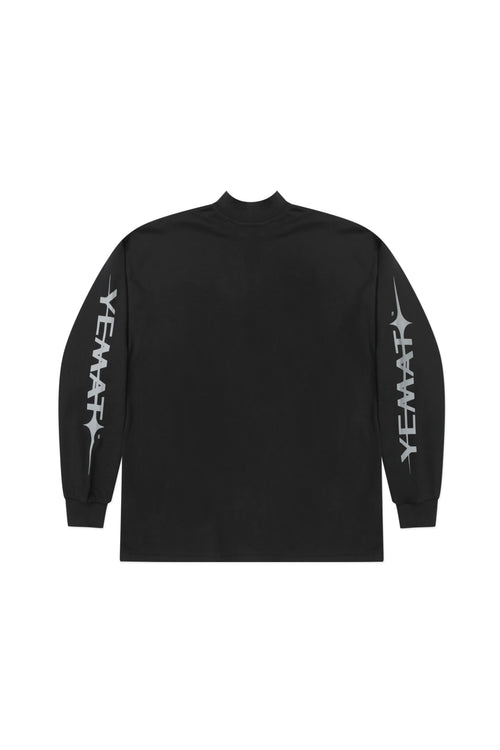
- Black heavyweight tee
- Mid-grey tailored trousers
- Dark brown leather belt
- Black cap-toe oxfords
- Why it works: Black creates a strong vertical line; the oxfords signal formality even with a tee.
Formula 4: The Hybrid Office
- Navy heavyweight tee
- Beige cotton-twill trousers
- Navy knit blazer (unstructured)
- Brown leather loafers
- Why it works: Navy-on-navy layering adds depth without contrast; the knit blazer keeps the look soft rather than stiff.
Formula 5: The Transitional Look
- Olive heavyweight tee
- Black straight-leg trousers
- Black minimalist sneakers (leather, not mesh)
- Why it works: Olive adds subtle colour interest; black trousers and sneakers create a monochrome base that reads intentional.
Texture and Colour Mechanics
Pair your heavyweight tee with structured bottoms and clean footwear. Tailored pants in wool or cotton twill elevate the tee immediately.
The dense, matte surface of a 240 GSM jersey plays beautifully against the smooth finish of tailored wool or the subtle sheen of leather.
Colour Rules for Office Contexts
- White: The most formal option. Pairs with everything. Shows wear quickly, replace when the collar or hem begins to grey.
- Black: Strong and slimming. Works best with lighter bottoms to avoid a heavy, monolithic look.
- Heather grey: The most casual neutral. Choose a darker heathered tone (charcoal-grey) for more formal settings.
- Olive: Adds warmth without brightness. Pairs well with navy, black, and brown, but avoid olive-on-olive combinations.
- Navy: A recent addition to the neutral palette. Reads as more intentional than black but requires careful pairing to avoid looking like a uniform.
What to Avoid in Office Contexts
- Visible logos or graphics: Even subtle branding reads as casual. Plain tees are the safest choice.
- Distressed or faded fabric: Heavyweight tees should look new. Fading suggests the garment is old, not artisanal.
- Athletic cuts: Raglan sleeves, contrast stitching, or side gussets in contrasting colours signal sportswear, not office wear.
- Excessively bright colours: Save the mustard and rust tones for weekends. Office environments favour muted, desaturated palettes.
Building the Foundation: A Minimum Viable Capsule
A practical starting set of heavyweight tees:
- 2 white tees (for client-facing days)
- 1 black tee (for evening transitions)
- 1 heather grey tee (for casual Fridays)
- 1 olive or navy tee (for variety)
At 240 GSM, each tee should last for years with proper care. The upfront cost of premium tees amortises over time, comparable to replacing cheap tees every season.
How to Layer Heavyweight T-Shirts for Cooler Months
Layering heavyweight t-shirts extends their office utility beyond summer. The dense cotton acts as an excellent mid-layer, trapping warmth while maintaining a smooth profile under outerwear:
- Start with a heavyweight tee as your base layer in a neutral tone
- Add an open-collar overshirt in flannel or brushed cotton for texture
- Finish with a tailored wool blazer or a structured chore coat for polish
The key to successful layering is proportion. A heavyweight tee provides enough substance that it does not disappear beneath an overshirt, but it should never create bulk around the shoulders.
For deep winter, a long-sleeve heavyweight tee replaces the short-sleeve version in the same formula, with the extended sleeve emerging from under a blazer with about a centimetre of visible cuff.
Office to After-Hours: Styling for Both Settings
A well-chosen heavyweight tee transitions from desk to dinner with minimal adjustment. For the office, anchor the tee with tailored trousers and closed-toe footwear; for after-hours, swap the trousers for dark denim and switch to a premium sneaker.
This versatility is why heavyweight tees justify their higher cost per unit. One quality garment replaces several fast-fashion pieces that would each require separate styling consideration.
The transition works because the tee maintains visual structure. A lightweight tee would crumple by evening, but the dense cotton of a 240 GSM jersey holds its line from morning commute to late dinner.
Maintaining High-GSM Cotton Garments for Longevity
Maintaining high-GSM cotton garments requires a care routine that respects the fabric's density. The most common cause of premature wear is improper washing: high heat, aggressive agitation, and machine drying break down cotton fibres.
Wash your heavyweight tees inside out in cold water on a gentle cycle. This protects the outer surface from friction and prevents colour fade. Hang dry rather than machine drying; dryer heat is the primary culprit behind shrinkage.
| Care Factor | Recommended Approach | Impact on Garment |
|---|---|---|
| Water temperature | Cold (30°C or below) | Prevents fibre contraction and fading |
| Drying method | Line or flat dry | Eliminates heat-related shrinkage |
| Washing frequency | After 2-3 wears | Reduces fibre stress and colour loss |
| Storage | Fold, do not hang | Maintains shoulder shape and drape |
Organic cotton, while softer and more sustainable, requires this gentler treatment to maintain its structure. The payoff is a garment that breaks in rather than wears out.
Common Mistakes to Avoid with Office Tees
Several recurring errors undermine otherwise solid outfits. The first is wearing a tee with visible branding or graphics; the second is choosing a fabric weight too light to hold structure.
A third mistake is fit inconsistency. Pairing a structured heavyweight tee with overly casual bottoms, such as ripped jeans or athletic shorts, creates a visual contradiction.
Shrinkage concerns also deter many buyers, and understandably so. High-quality organic cotton can still shrink if mistreated. Cotton care guidelines from the Australian Institute of Textile Science recommend cold washing and air drying to preserve garment dimensions. Following these protocols protects your investment.
Final Thoughts on Office-Ready Heavyweight Tees
Styling heavyweight tees for office wear is less about trends and more about fabric quality and proportion. A 240 GSM organic cotton tee, cut with a structured silhouette, functions as a true wardrobe staple that moves seamlessly between professional and casual contexts.
The shift toward elevated basics in workplace dressing reflects a broader change in how professionals approach their wardrobes. Rather than maintaining separate work and weekend collections, many now curate a smaller set of high-performing garments that serve both purposes. The Business of Fashion's analysis of the premium basics market notes this consolidation trend among style-conscious consumers.
For those ready to build this foundation, focus on quality over quantity. A small rotation of well-constructed heavyweight tees in neutral tones, cared for properly, will outperform a drawer full of disposable alternatives. The confidence from wearing a garment that holds its shape is noticeable to colleagues and clients alike.
Frequently Asked Questions
Can a high-GSM cotton tee be considered business casual?
Yes. A high-GSM tee, typically 240 GSM or heavier, has the structure and opacity to read as polished rather than casual. The key is pairing it with tailored pieces like blazers, wool trousers, or chinos. The fabric's weight prevents it from clinging or looking flimsy, which maintains a professional appearance. This makes it a valid foundation for a business casual outfit.
How do I avoid looking sloppy when wearing a t-shirt to work?
Focus on fit and condition. Choose a heavyweight tee that fits well in the shoulders and has a straight or slightly tapered body, avoiding oversized cuts that look unkempt. Ensure the tee is free of wrinkles, pilling, or fading. Tucking it in and adding structured layers like a blazer or overshirt instantly elevates the look from sloppy to intentional.
What layers work best with heavyweight tees for the office?
Structured layers work best. A tailored blazer, unstructured jacket, or a crisp overshirt in a contrasting texture like wool or linen are excellent choices. These add shape and a professional outline to the outfit. For cooler weather, a long coat or a fine-gauge knit sweater over the tee provides warmth without compromising the clean, structured look you need for the office.
How to style a heavyweight t-shirt for a professional setting?
Start with a plain, well-fitted heavyweight tee in a neutral colour. Pair it with tailored pants and leather shoes or clean minimalist trainers. Add a blazer or an overshirt to provide structure. Accessorise minimally with a quality watch. The fabric's structure and your grooming choices will determine if the look reads as professional or too casual.
The challenge of office dressing is balancing professionalism with personal comfort. YEMAT solves this with heavyweight organic cotton garments designed in Australia and crafted in northern Portugal, engineered to hold their structure and soften with age. Our small-batch production ensures each piece meets exacting standards. Get started with YEMAT and build an office wardrobe that breaks in rather than wears out.
