



What Is a Heavyweight T-Shirt? GSM & Fabric Guide


Why YEMAT Makes Its Streetwear in Portugal

Does Organic Cotton Get Softer After Washing? A Care Guide

Luxury Streetwear Brands: What Separates Them, and How to Judge the Price
Quick answer: a heavyweight T-shirt is made from a denser, heavier jersey than a typical lightweight tee. Fabric weight is measured in GSM — grams per square metre. There is no single universal legal threshold for the word “heavyweight,” but tees around 200 GSM and above are commonly marketed in that category. At 240 GSM, a T-shirt feels noticeably substantial while remaining wearable as a T-shirt rather than a sweatshirt. Hoodie fleece sits on a different scale: see what 450 GSM means for a hoodie, or browse our 450 GSM heavyweight hoodies.
The number matters, but GSM is only one part of quality. Fibre, knit construction, pattern, collar, stitching and finishing determine whether a heavy tee actually wears well.
What does GSM mean on a T-shirt?
GSM stands for grams per square metre. It describes the mass of one square metre of fabric. A 240 GSM jersey therefore weighs 240 grams per square metre before it is cut and sewn into a garment.
GSM is useful because it gives shoppers a measurable specification instead of relying on words such as “premium,” “thick” or “luxury.” It does not measure cotton quality by itself, and a higher number is not automatically better.
Lightweight vs midweight vs heavyweight tees
Brands use the categories differently, so treat ranges as practical guides rather than fixed standards:
| Fabric weight | Typical feel | Common use |
|---|---|---|
| Under 160 GSM | Light, soft, fluid | Hot-weather basics and layering |
| 160–199 GSM | Everyday midweight | General-purpose tees |
| 200–260 GSM | Substantial, structured | Heavyweight basics and streetwear |
| 260 GSM+ | Very heavy, rigid or dense depending on knit | Statement silhouettes and specialised heavyweight tees |
These are not quality grades. A well-made 180 GSM tee can be excellent, and a poorly made 300 GSM tee can still be poor.
Why do heavyweight T-shirts look different?
More fabric mass changes the way a tee hangs. Heavier jersey generally has more visual structure and is less likely to cling closely to the body. That makes it useful for oversized and boxy silhouettes where the designer wants the garment to create its own line.
The shoulder and sleeve become particularly important. An oversized tee is not simply a larger regular tee; the pattern should control where the shoulder drops, how wide the sleeve opens, how long the body sits and how the fabric balances around the torso.
Is 240 GSM heavyweight?
Yes, 240 GSM sits comfortably in the substantial/heavyweight end of modern T-shirt jersey. It is heavy enough to create presence and opacity without moving into the extreme weights used by some niche brands. For a closer look, see how 240 GSM feels and fits.
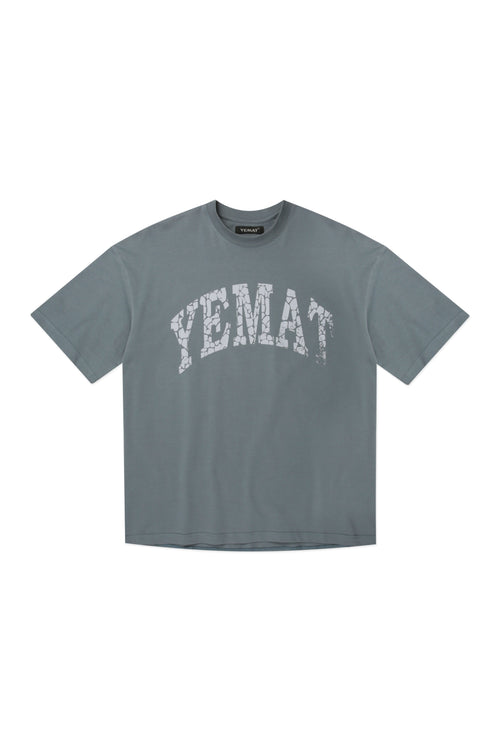
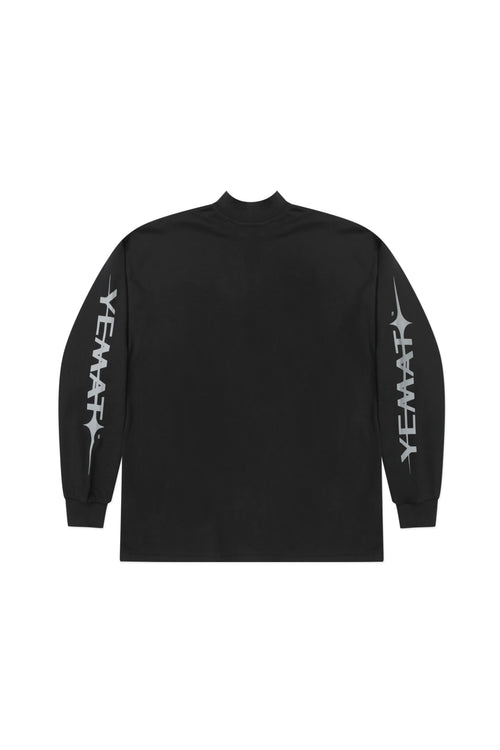
YEMAT uses 240 GSM organic cotton double jersey across the Airbrush Tee, Velvet Tee Black, Velvet Tee White, Fracture Tee and Shadowline Longsleeve.
Does higher GSM mean a T-shirt lasts longer?
Not automatically. More material can improve resistance to thinning and can help a garment retain a structured appearance, but durability also depends on yarn, knit quality, seam construction, washing and wear. GSM should be read alongside the rest of the specification.
Are heavyweight tees hotter?
Usually, yes. A denser, heavier fabric generally traps more heat and takes longer to dry than a lightweight jersey. If you live in a very hot climate and want maximum airflow, lighter fabric may be the better choice. If you want structure, opacity and a more substantial hand, heavyweight jersey offers a different trade-off.
How should a heavyweight oversized tee fit?
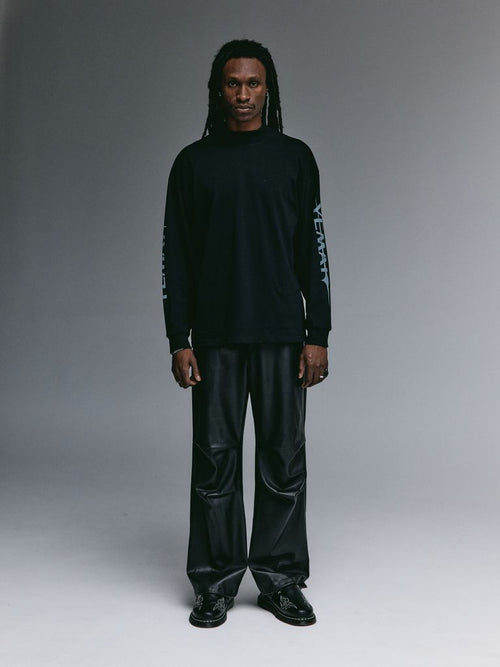
Look at proportion rather than just the size label. A deliberate oversized fit often combines a wider chest, dropped shoulder and roomier sleeve with a controlled body length. The garment should look intentionally cut rather than simply too large.
The Airbrush Tee is boxy and oversized with a semi-high crew neck and runs a full size large; YEMAT recommends taking one size down from your usual size for the intended fit.
How to wash a heavyweight T-shirt
For YEMAT’s 240 GSM jersey: wash at 30°C or below, inside out and with similar colours. Line dry in the shade, do not tumble dry, and iron cool on the reverse rather than directly on the print. Controlling heat helps protect the dimensions that create the fit.
What should you check before buying?
- Is the GSM actually stated?
- What is the fibre composition?
- Is the fit regular, relaxed, boxy or oversized?
- Does the brand provide model measurements and sizing guidance?
- Where is the garment made?
- Are care instructions specific?
For a direct example, explore YEMAT’s 240 GSM heavyweight t-shirts, designed in Australia and cut and sewn in Portugal.
