

Does Organic Cotton Get Softer After Washing? A Care Guide


Luxury Streetwear Brands: What Separates Them, and How to Judge the Price
Australian Streetwear Brands: A Guide to Labels Designed in Australia

What Does 450 GSM Mean? Hoodie Weight, Warmth & Structure
Quick answer: cotton can feel softer and more broken-in after the first few washes, but washing does not automatically make a garment better. Heat, aggressive cycles and tumble drying can change the fit, surface and colour of heavyweight cotton. The safest approach is simple: wash cold, turn the garment inside out and air dry.
For heavyweight streetwear, care matters because the fabric has been selected to hold a specific silhouette. A 240 GSM jersey T-shirt and a 450 GSM fleece hoodie behave differently from lightweight basics, but both benefit from low heat and gentle handling.
Does organic cotton actually get softer?
It can. Cotton fibres and the knitted fabric can relax with wear and laundering, so a new garment may feel less rigid after it has been worn and washed. That is the useful meaning of “breaking in.” It is not an unlimited process, and it is not unique to organic cotton.
The bigger issue is what happens when too much heat or mechanical action is used. Hot water and tumble drying can encourage shrinkage and can change the dimensions that create an oversized or boxy fit. For printed garments, repeated high heat can also put unnecessary stress on the decoration.
How to wash heavyweight cotton properly
YEMAT’s care method is designed around protecting the original shape, colour and print:
- Wash at 30°C or below.
- Turn the garment inside out.
- Wash with similar colours.
- Line dry in the shade.
- Do not tumble dry.
- Do not use bleach or fabric softener.
- Iron cool on the reverse and never directly on the print.
- Blot stains rather than rubbing them aggressively.
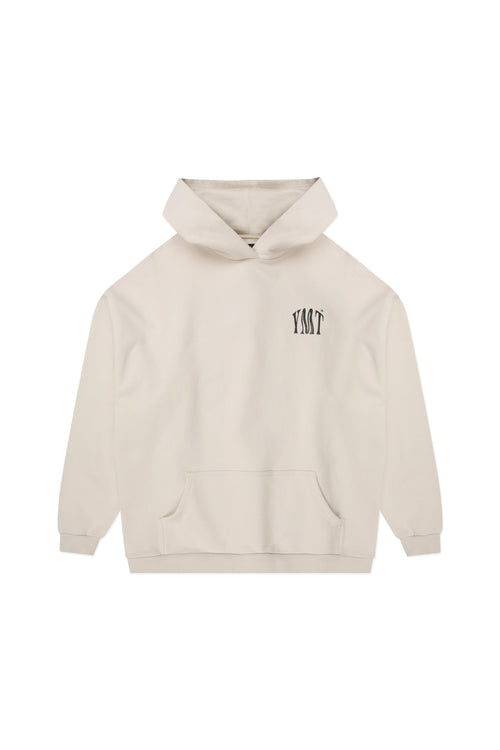
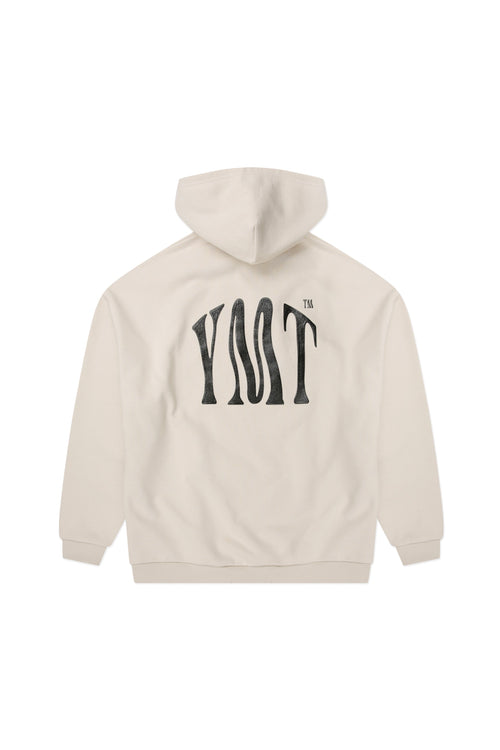
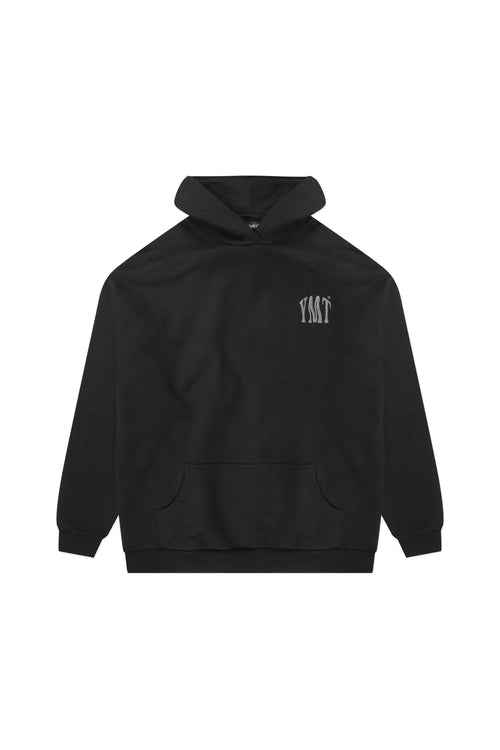
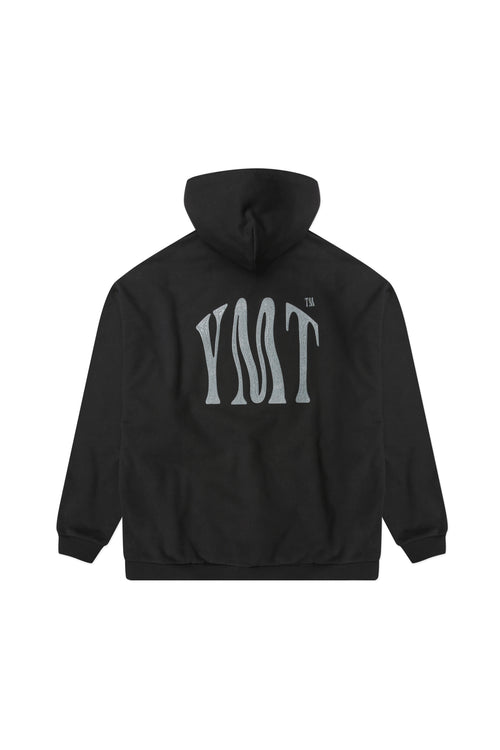
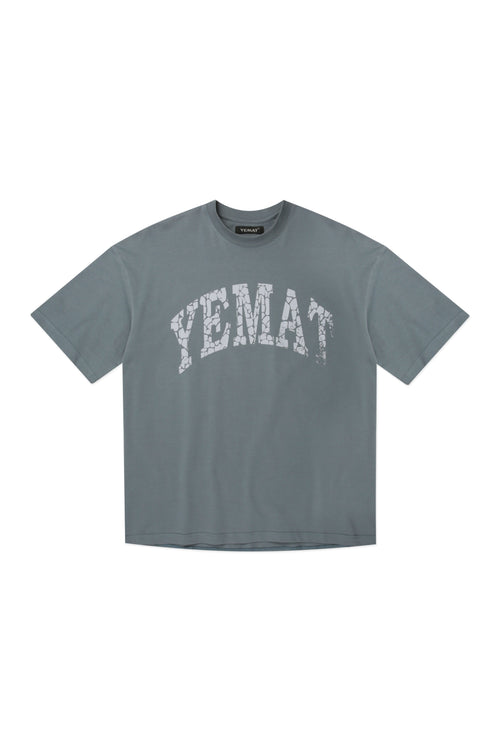
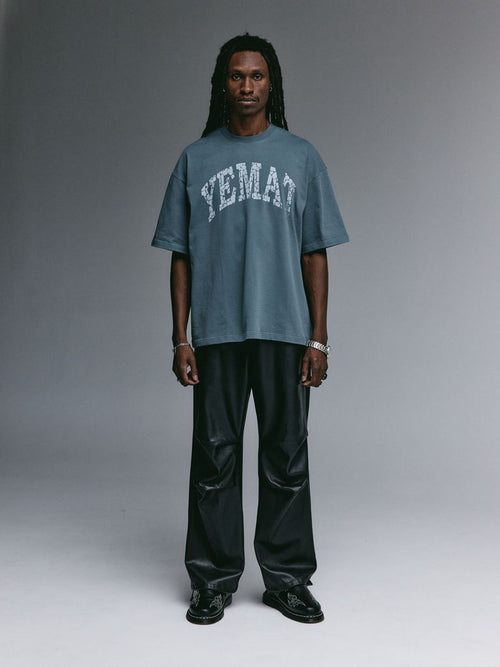
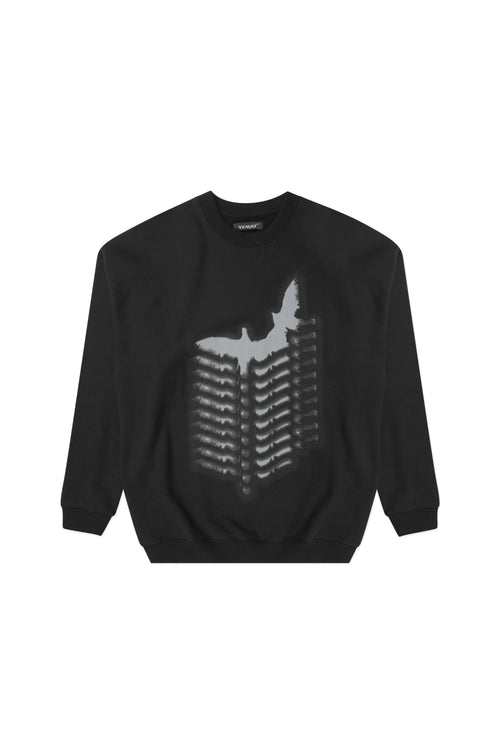
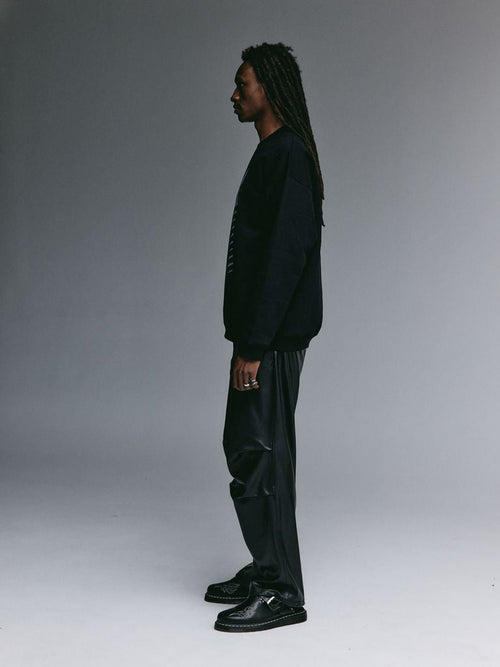
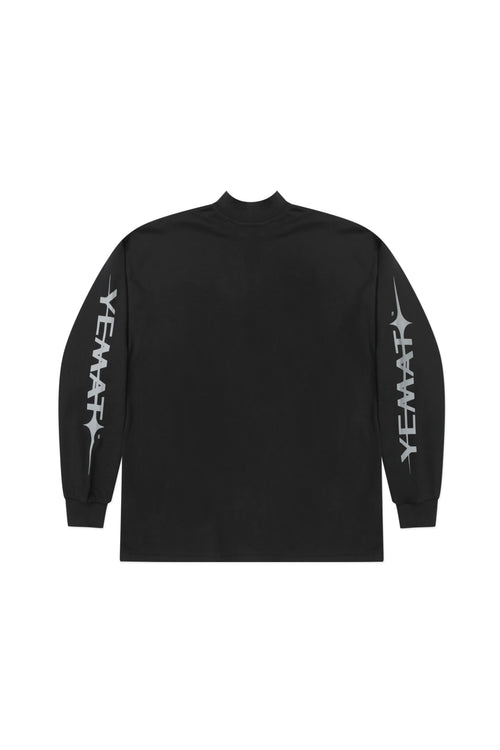
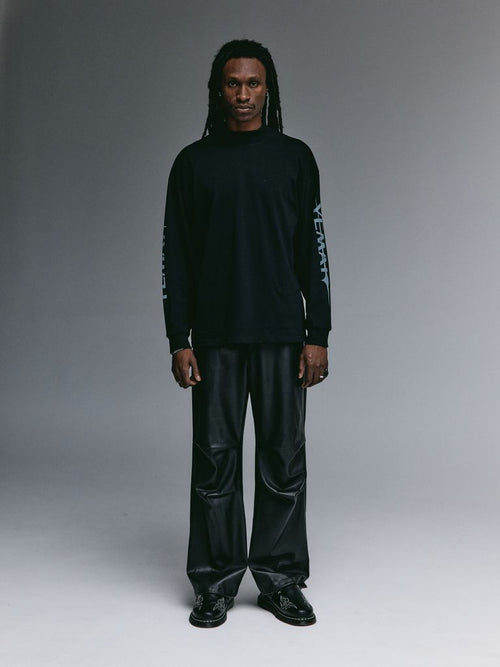
This applies across YEMAT’s heavyweight jersey and fleece pieces, including the Airbrush Tee, Velvet Tee Black and Force Hoodie Black.
Why fabric weight changes the care equation
GSM means grams per square metre: the mass of a square metre of fabric. A higher GSM usually means there is more fabric mass to wash, rinse and dry. It does not automatically mean higher quality, but it changes how the garment feels and behaves.
YEMAT’s T-shirts use 240 GSM organic cotton double jersey. That weight gives the tees a more substantial hand and enough structure to support an oversized silhouette without the fabric feeling like a sweatshirt. The Force Hoodie uses 450 GSM brushed organic cotton fleece, creating considerably more weight, warmth and structure.
Heavy fabric also takes longer to dry. Trying to accelerate that process with high dryer heat is exactly what we avoid. Air drying takes longer, but it is the lower-risk option for preserving the shape you bought.
Will heavyweight cotton shrink?
Any cotton garment can change dimensions if exposed to enough heat and agitation. The practical goal is not to claim that cotton can never shrink; it is to control the conditions that make unwanted movement more likely. Cold washing and air drying are the simplest controls.
If you bought an intentionally oversized piece, preserving width, shoulder position and body length matters. A few centimetres of unwanted movement can change the entire silhouette. Every YEMAT garment is measured flat in centimetres on its product page, so you can check your piece against the original measurements after washing.
Should you use fabric softener?
We do not recommend it for YEMAT garments. The fabric is designed to develop its own hand through normal wear. Adding softener is unnecessary and can leave residues on fibres or finishes. A cold wash with a suitable detergent is enough.
How often should you wash a heavyweight T-shirt or hoodie?
Wash according to wear rather than automatically after every short use. A T-shirt worn directly against the skin will generally need laundering more often than a hoodie worn over another layer. Spot-cleaning a small mark can sometimes avoid an unnecessary full wash.
What about prints?
Turn printed pieces inside out before washing and avoid ironing directly on the artwork. This reduces direct friction and heat exposure. The same logic applies to the YEMAT suction print on the Force Hoodie and the graphics used across the tee collection.
Common questions
Does 100% cotton shrink in the wash?
It can, if exposed to enough heat and agitation. Washing at 30°C or below and air drying is what keeps movement to a minimum.
Will a 100% cotton hoodie shrink?
Same answer, and the risk is higher because 450 GSM fleece holds more water and spends longer in a hot dryer. Air dry it.
Do oversized tees shrink out of their fit?
An oversized cut depends on width and body length. Those are the dimensions heat moves first, which is why we ask you not to tumble dry.
Does organic cotton need different care from regular cotton?
No. The care method here is about fabric weight and heat, not about whether the cotton is organic.
How do I make a new tee feel softer without damaging it?
Wear it. Cold washing and normal use break the fabric in. Softener and hot cycles shortcut the feel at the cost of the fit.
The simple rule
Heavyweight cotton is made to be worn, not kept untouched. The objective is not complicated garment care; it is controlling heat. Wash cold, air dry, and let the fabric break in through real use rather than trying to force softness through aggressive washing.
Explore the pieces this guide covers: heavyweight T-shirts in 240 GSM organic cotton, hoodies in 450 GSM brushed cotton fleece, and long sleeves, jumpers and sweatshirts — all cut and sewn in Portugal.
