

How to Prevent Heavyweight Cotton Shrinkage: 2026 Guide


Siren Industries Alternative for Streetwear: Premium Picks

Durable Streetwear for Everyday Wear: 2026 Guide

7 Benefits of Portuguese Garment Manufacturing for Premium Brands
Table of Contents
- Why Heavyweight Cotton Shrinks (and Why High GSM Matters)
- Pre-Shrunk vs. Raw Cotton: How to Tell What You Own
- How to Wash Heavyweight Cotton Tees Without Shrinking Them
- Drying Methods: Air Dry vs. Tumble Dry for Shrinkage Prevention
- Storing Heavyweight Cotton to Protect Fabric Integrity
- Can You Reverse Shrinkage in Heavyweight Cotton?
- Frequently Asked Questions
Last Updated: September 27, 2026
Why Heavyweight Cotton Shrinks (and Why High GSM Matters)
Heavyweight cotton shrinkage happens because cotton fibres relax and swell when wet, then contract as they dry. The denser the fabric, the more tension is built into the yarn during weaving, and the more that tension has to release.
Fiber Relaxation and Tension Release
Cotton yarn is spun under tension: mills stretch fibres to weave a tight, even cloth, and that tension sits in the fabric until water and heat release it.
Does High GSM Cotton Shrink?
Yes, high GSM cotton can shrink, but the rate depends on how it was finished, not just its weight. A 240 GSM jersey and a 450 GSM fleece both shrink if washed hot, but a pre-shrunk heavyweight fabric moves far less.
Pre-Shrunk vs. Raw Cotton: How to Tell What You Own
Pre-shrunk cotton has already been washed or compressed during manufacturing, so most of its shrinkage happened before it reached you. Raw cotton hasn't, so it moves more on the first wash.
- Check the label. Look for "pre-shrunk," "pre-washed," or "garment-dyed." No mention usually means raw.
- Feel the density. Raw heavyweight cotton often feels stiffer and has a slight sheen. Pre-shrunk fabric feels softer and more relaxed off the rack.
- Look at the seams. Pre-shrunk garments are cut after the fabric has settled, so the seams sit flat. Raw cotton can pucker slightly once washed.
- Check the care tag. If it says "wash before wearing" or "expect minor shrinkage," you're dealing with raw cotton.
How to Wash Heavyweight Cotton Tees Without Shrinking Them
Wash heavyweight cotton tees in cold water on a gentle cycle, then hang them to dry. That routine prevents almost all shrinkage, because hot water and high heat are what shrink cotton.

Follow these steps every time:
- Turn the garment inside out. This protects the face of the fabric and any print.
- Set the machine to cold. Cold water keeps fibres from swelling and relaxing too fast.
- Choose a gentle cycle. Lower spin speed means less agitation and less distortion.
- Use a gentle, pH-neutral detergent. Harsh alkaline detergents stress cotton fibres over time.
- Skip the fabric softener. It coats fibres and breaks down the structure you paid for.
- Wash with similar weights. Heavy cotton against lightweight fabric causes abrasion.
- Remove promptly. Leaving wet cotton in the drum encourages distortion.
Water Temperature, Spin Speed and Detergent pH
Water temperature is the biggest lever you control. Cold water wash keeps fibre swelling to a minimum. Warm water speeds up relaxation. Hot water forces it.
Drying Methods: Air Dry vs. Tumble Dry for Shrinkage Prevention
Air drying is the safest way to prevent heavyweight cotton shrinkage, but the reason is more specific than 'heat is bad': drying is where the tension stored in the yarn finally resolves, and how you dry determines how much converts into permanent shrinkage.
What Actually Happens During Drying
When cotton leaves the wash, the fibres are swollen and the yarn structure is relaxed. As water leaves the fabric, hydrogen bonds re-form between cellulose chains: held flat and still, the fibres lock into their original dimensions; tumbled, agitated or heated while those bonds form, they lock into a shorter, distorted state.
Air Drying: Line, Flat and the Trade-offs
Air drying lets the fibres relax back to their woven dimensions without mechanical force pulling them out of shape.
- Line drying works well for heavyweight tees and lighter fleece. Peg at the hem and side seams rather than the shoulders, and use plastic or padded pegs to avoid peg marks. Dry in shade, direct sun fades dye and can bake stiffness into the fabric.
- Flat drying is the better choice for 400 GSM-plus fleece, heavy knits and anything with a structured neckline. Lay the garment on a clean towel, reshape it by hand while damp, and let it dry flat. This stops the weight of the wet fabric from pulling the shoulders and neck out of line, a distortion that mimics shrinkage but is actually stretch.
- Hanging wet on a hanger is the worst of the air-dry options for heavy cotton. A wet 450 GSM hoodie can weigh enough to stretch the shoulder seams and neckline permanently.
Tumble Drying: What the Heat Settings Actually Do
If you must tumble dry, the heat setting is the single biggest variable.
| Method | Shrinkage Risk | Effect on Fabric | Best For |
|---|---|---|---|
| Line dry (shade) | Very low | Keeps shape and structure | Everyday care |
| Flat drying | Very low | Protects shoulders and neckline | Heavy knits and fleece |
| Tumble dry, no heat / air fluff | Low | Minimal relaxation, softens fabric | When you need it dry fast |
| Tumble dry, low heat | Moderate | Some relaxation, minor shrink | Occasional use |
| Tumble dry, high heat | High | Noticeable shrink and distortion | Never recommended |
The Drying Rule That Beats Every Setting
The most reliable drying rule for heavyweight cotton is simple: never let the fabric reach bone-dry in a machine. Whether you line dry or tumble, pull the garment while it still holds a little moisture, reshape it by hand, and let it finish flat. The fibres set in their correct dimensions and you avoid the slow creep of shrinkage.
Storing Heavyweight Cotton to Protect Fabric Integrity
Storage is the section most guides skip, and it's where heavyweight cotton quietly loses its fit. The distortion that builds up in a wardrobe is often mistaken for shrinkage, but the mechanism is different.
Why Storage Distorts Heavy Cotton
Heavyweight cotton has mass. A 450 GSM fleece hoodie weighs several times what a 150 GSM tee does, and gravity acts on that mass continuously. Hung from a thin hanger, the shoulder and neckline sit under constant tension, and over weeks the fibres creep, stretching slowly under sustained load and not fully recovering.
Folding Versus Hanging: A Weight-Based Rule
The right storage method depends on fabric weight, not personal preference.
- Under 250 GSM (heavyweight tees, lighter jersey): Hanging is fine on a wide, padded hanger. The fabric is light enough that gravity does not cause meaningful creep.
- 250-400 GSM (heavy tees, mid-weight fleece): Fold flat where possible. If you hang, use a broad wooden or padded hanger and never hang the garment wet.
- Over 400 GSM (heavy fleece, hoodies, thick knits): Always fold flat. The weight of the fabric will pull the shoulders and neckline out of shape on any hanger over time.
The Storage Conditions That Matter
- Airflow: Never store heavyweight cotton in sealed plastic bags or vacuum packs. Cotton needs to breathe. Sealed storage traps moisture, encourages mildew, and compresses the pile on brushed fleece so it never recovers its loft.
- Damp and humidity: Store in a dry space. Damp cotton held under compression can develop musty odour and, in severe cases, fibre degradation. A breathable cotton storage bag or a cedar-lined drawer is a better choice than a plastic tub.
- Direct sunlight: Prolonged UV exposure weakens cotton fibres and fades dye. Keep stored garments out of direct sun, especially if they are stacked near a window.
- Compression: Do not overstuff drawers. Heavy cotton stored under constant compression takes a set in the compressed position, which shows up as creasing and flat spots when you wear it.
Rotation and Rest
People who keep heavyweight cotton looking new for years rotate their garments: give each piece rest days between wears so the fibres recover from body heat, moisture and movement, and rotate what sits at the bottom of the stack so nothing stays compressed for months.
Can You Reverse Shrinkage in Heavyweight Cotton?
Try this if a piece has shrunk:
- Soak the garment in cool water with a small amount of gentle detergent.
- Gently stretch it back to shape while it's still wet.
- Lay it flat to dry, reshaping as it dries.
- Repeat once if needed.
Cold wash, hang dry, and a pH-neutral detergent. That's the whole routine. Do it consistently and your heavyweight cotton will keep the fit it was cut with.
Frequently Asked Questions
How can I prevent 100% cotton from shrinking in the wash?
Wash in cold water on a gentle cycle and skip the tumble dryer. Hot water and mechanical agitation cause cotton fibers to relax and contract, which is what drives most shrinkage. Use a mild detergent, avoid overloading the machine, and hang or lay the garment flat to dry. For heavyweight cotton shrinkage prevention, cold washing combined with air drying keeps garment dimensions stable and protects the fabric's structure over time.
Does high GSM cotton shrink more than lightweight cotton?
High-GSM cotton generally shrinks less than lightweight cotton because the denser weave and tighter knit resist fiber relaxation. A 450 GSM fleece hoodie or a 240 GSM jersey tee holds its shape better through repeated washing than a thin 150 GSM shirt. That said, high-GSM cotton still shrinks if exposed to high heat, so cold washing and air drying remain essential regardless of fabric weight.
Can you reverse shrinkage in heavyweight cotton garments?
Full reversal is rarely possible, but you can recover some length and width. Soak the garment in cool water with a small amount of hair conditioner for about 30 minutes, then gently stretch it back to shape while damp and lay it flat to dry. This works best on minor shrinkage. Once cotton fibers have permanently contracted from high heat, the change is usually set, which is why prevention through cold washing matters more than correction.
What is the best water temperature to prevent cotton shrinkage?
Cold water, ideally 30°C or below, is the safest choice. Heat is the primary trigger for fiber relaxation and contraction in cotton, so keeping wash temperature low minimises shrinkage risk. A cold water wash also protects colour depth and reduces wear on the fabric. If you must use warm water for stains, keep it below 40°C and avoid the tumble dryer afterwards to limit cumulative heat exposure.
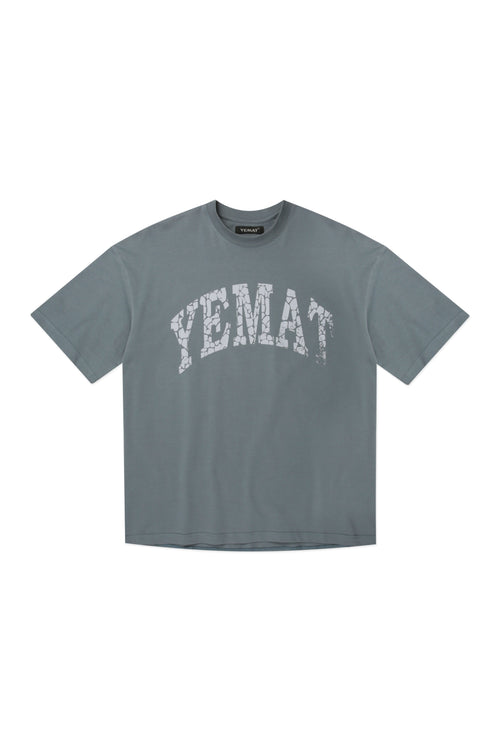
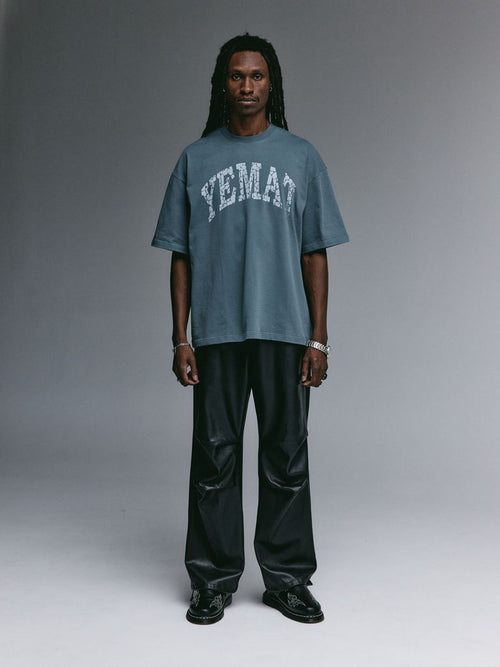
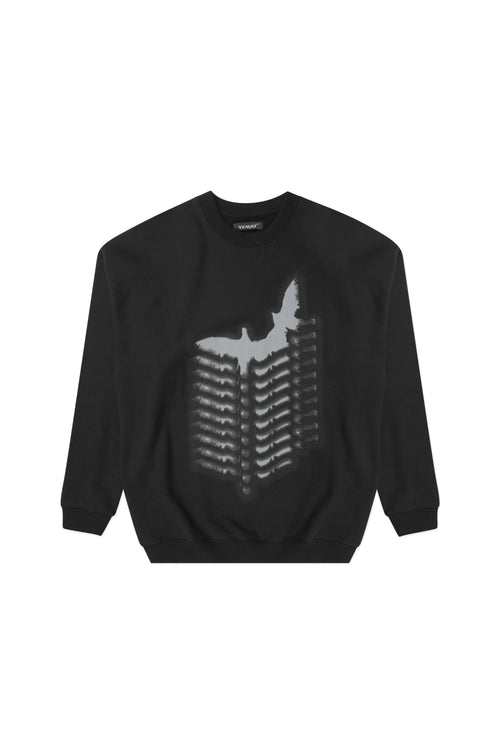
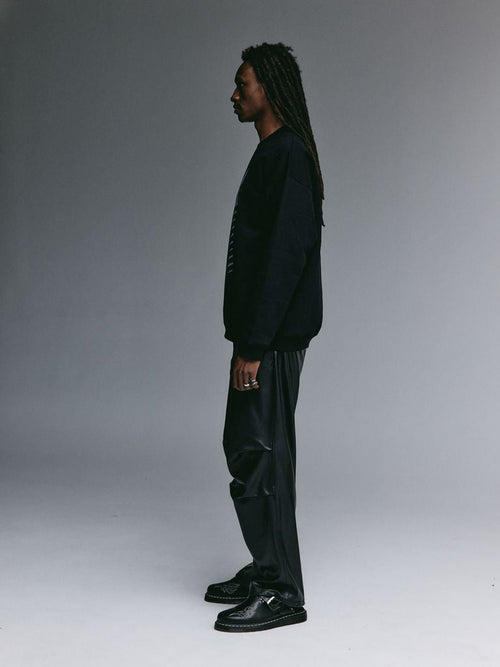
Heavyweight cotton only holds its shape if the fabric was built to hold it in the first place. YEMAT designs in Australia and crafts in northern Portugal using 240 GSM organic cotton jersey and 450 GSM brushed fleece, cut to maintain structure over years of wear. Free express shipping and 14-day size exchanges make it easy to find your fit. Shop the collection and invest in pieces that break in rather than wear out.
