




Why YEMAT Makes Its Streetwear in Portugal


Does Organic Cotton Get Softer After Washing? A Care Guide

Luxury Streetwear Brands: What Separates Them, and How to Judge the Price
Australian Streetwear Brands: A Guide to Labels Designed in Australia
Quick answer: YEMAT is designed in Australia and cut and sewn in Portugal because the collection depends on heavyweight jersey, brushed fleece, precise oversized patterns and consistent construction. Manufacturing location is not a slogan for us; it is part of how the garment is built.
Portugal is one of Europe’s established textile and clothing production centres. YEMAT works with one Portuguese production partner for its ready-to-wear collection, keeping the manufacturing route deliberately concentrated rather than moving garments through a chain of unrelated factories.
Why Portugal for heavyweight streetwear?
Streetwear can look simple on a hanger: a T-shirt, hoodie, crewneck or long sleeve. The difficulty is in making simple shapes feel intentional. Fabric weight, knitting, collar structure, shoulder placement, sleeve volume, stitching and finishing all affect the final silhouette.
YEMAT’s collection is built around two core fabric weights: 240 GSM organic cotton double jersey for tees and long sleeves, and 450 GSM brushed organic cotton fleece for hoodies and crewnecks. These fabrics need patterns that account for their mass and drape. A heavyweight oversized garment is not a regular-fit garment made two sizes larger.
240 GSM jersey: structure without sweatshirt weight
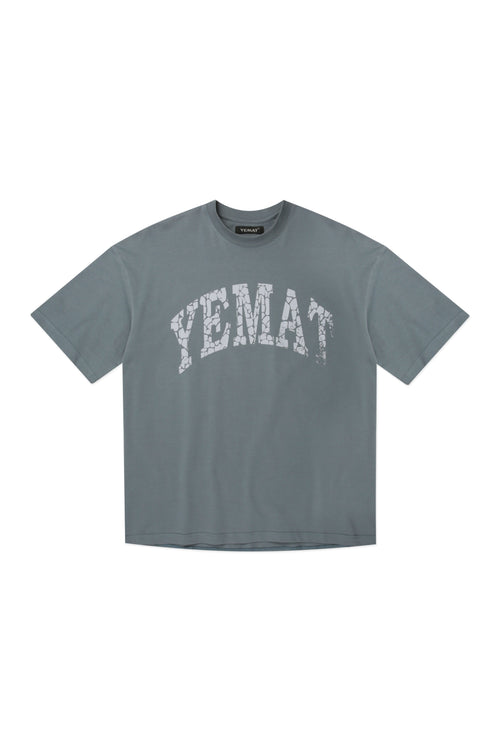
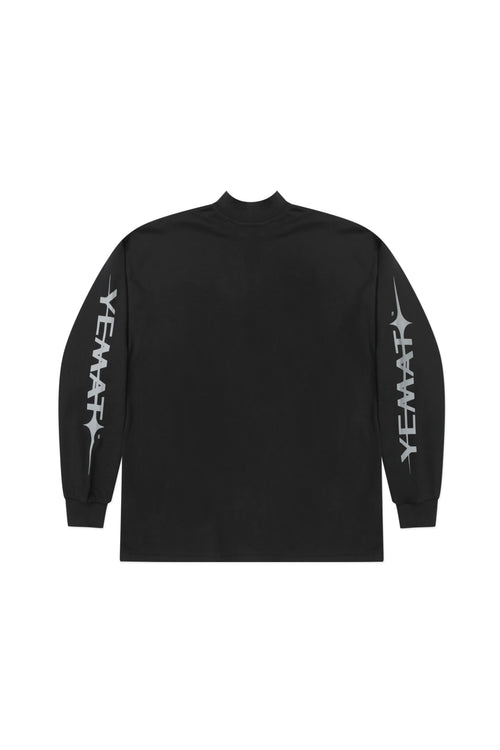
The Airbrush Tee, Velvet Tee Black, Velvet Tee White and Fracture Tee use 240 GSM organic cotton double jersey. The weight gives the fabric a substantial hand and supports a wider, more deliberate silhouette.
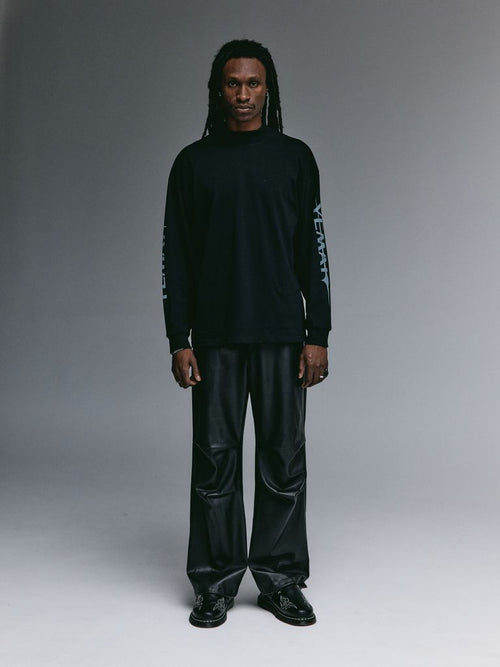
That matters because an oversized tee should keep its proportions through the shoulder, chest, sleeve and body. Fabric that is too light for the intended pattern can collapse into a softer drape; heavier jersey can hold a cleaner line.
450 GSM fleece: weight that changes the silhouette
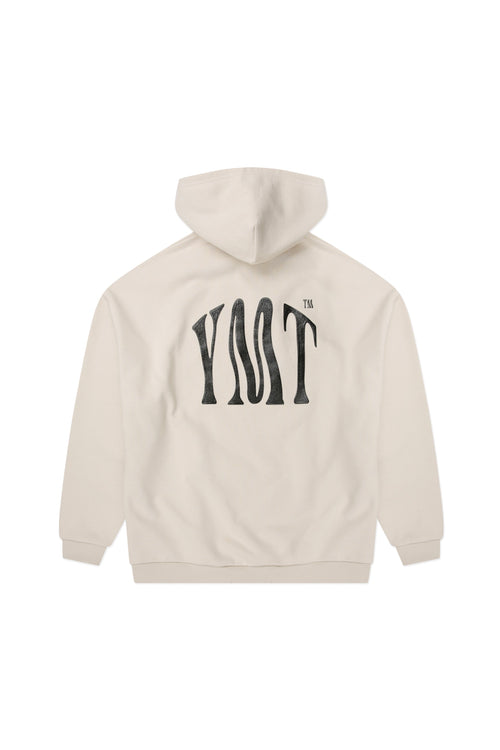
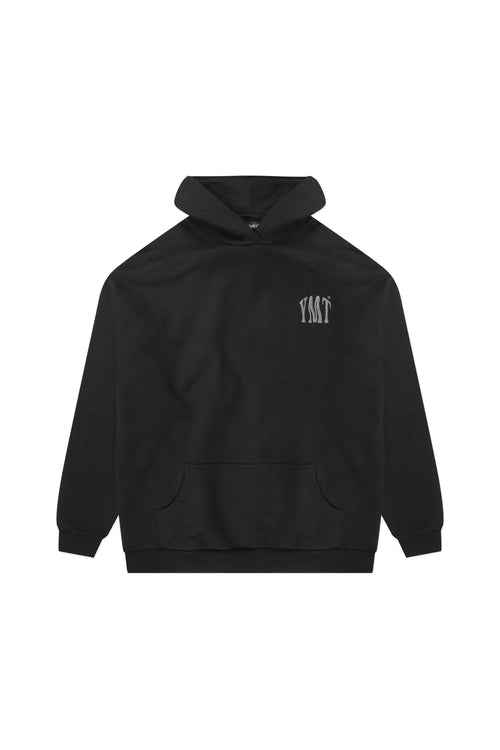
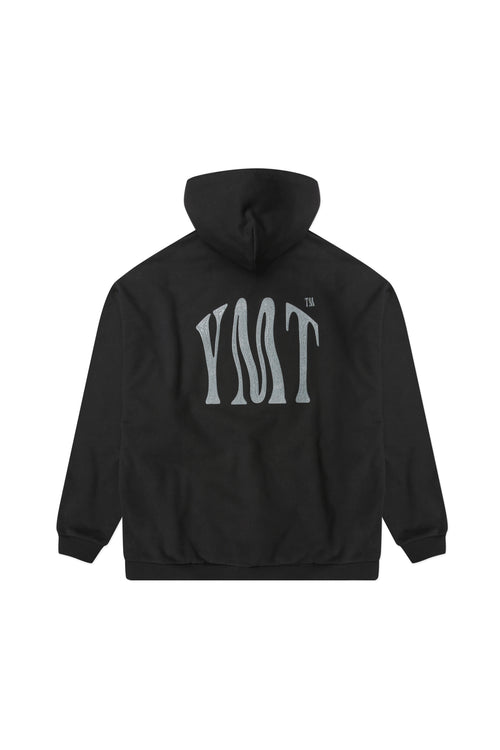
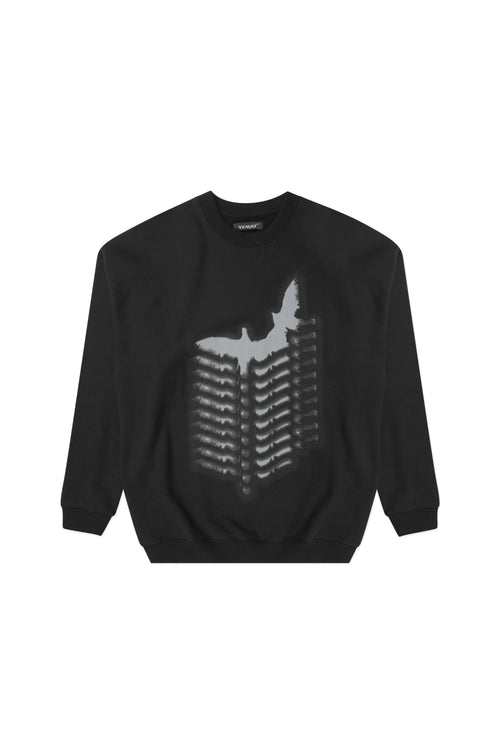
The Force Hoodie Black, Force Hoodie Beige and Relic Jumper use 450 GSM brushed organic cotton fleece. At this weight the fabric feels materially heavier than a standard lightweight sweatshirt and contributes to the garment’s structure as much as the pattern does.
The Force Hoodie combines that fleece with a dropped shoulder, generous body and sleeve volume, and a double-layer cotton hood. The result is meant to sit away from the frame rather than simply follow it.
One production partner, one country
YEMAT’s current ready-to-wear collection is cut and sewn by one production partner in northern Portugal. Keeping production concentrated gives the brand a clearer line of responsibility for fit, construction and finishing.
It also makes product information easier to communicate honestly. Rather than using a vague “European made” line, we can state where the garments are cut and sewn and what fabric weights are used.
Designed in Australia, made in Portugal
YEMAT is an Australian streetwear label, but our design language is not built around one geography. The product is developed around proportion, surface, weight and everyday wear. Portugal is where those specifications are turned into finished garments.
The distinction matters: design direction and manufacturing expertise are different jobs. The brand controls the silhouette and product brief; the factory executes the cutting, sewing and finishing required to make that brief physical.
Does “Made in Portugal” automatically mean quality?
No country name is a substitute for inspecting the actual garment. A buyer should still look at fabric composition, GSM, stitching, pattern, finishing and care instructions. “Made in Portugal” tells you where production happened; it should not be used as a shortcut for claims the product itself cannot support.
That is why YEMAT publishes the specifications that can be checked: 100% organic cotton, 240 GSM double jersey or 450 GSM brushed fleece depending on the piece, the intended oversized fit, and the Portuguese manufacturing origin.
What to look for when buying premium streetwear
- Fabric weight: is the GSM stated, or is “heavyweight” just marketing language?
- Fibre content: what is the fabric actually made from?
- Pattern: is the oversized shape designed into the garment or achieved by sizing up?
- Construction: do collar, cuffs, hood and seams support the intended silhouette?
- Care: does the brand explain how to preserve the fit?
- Origin: does the brand state where the garment was cut and sewn?
Explore the YEMAT ready-to-wear collection to compare the 240 GSM jersey and 450 GSM fleece pieces made in Portugal, or go straight to the T-shirts, hoodies and long sleeves and jumpers.
