




Benefits of Portuguese Manufacturing for Clothing


How to Prevent Heavyweight Cotton Shrinkage: 2026 Guide

Siren Industries Alternative for Streetwear: Premium Picks

Durable Streetwear for Everyday Wear: 2026 Guide
Table of Contents
- Why Portugal Became a Hub for Premium Apparel Manufacturing
- Luxury Streetwear Manufacturing Standards in Northern Portugal
- High-GSM Fabric Durability: What Portuguese Mills Get Right
- Small-Batch Clothing Production Advantages for Emerging Brands
- Technical Compliance and Environmental Standards in Portuguese Factories
- Logistics, Lead Times and Getting Portuguese-Made Clothing to Australia
- How Portuguese Manufacturing Benefits Compare to Other Sourcing Destinations
- Conclusion
- Frequently Asked Questions
Last Updated: September 30, 2026
Why Portugal Became a Hub for Premium Apparel Manufacturing
Walk through the textile districts of northern Portugal and the reason for the region's reputation becomes obvious: generations of garment makers, mills built around specific fabrics, and workshops that never scaled into anonymous mass production. The benefits of Portuguese manufacturing for clothing start with that density of skill. In this guide, YEMAT breaks down what those advantages actually mean for the garment in your wardrobe, from fabric weight to fit retention. For Australian buyers weighing up premium streetwear, the manufacturing country matters as much as the design.
Portugal's textile industry grew around family-run mills and specialised workshops rather than vast low-cost factories. That structure produces smaller runs, tighter quality control, and fabric knowledge that's hard to replicate elsewhere.
Luxury Streetwear Manufacturing Standards in Northern Portugal
Luxury streetwear manufacturing standards in northern Portugal rest on a simple principle: fewer garments, more attention per garment. A workshop producing small batches can inspect seams, check shoulder alignment, and reject a panel that would pass unnoticed on a high-speed line.

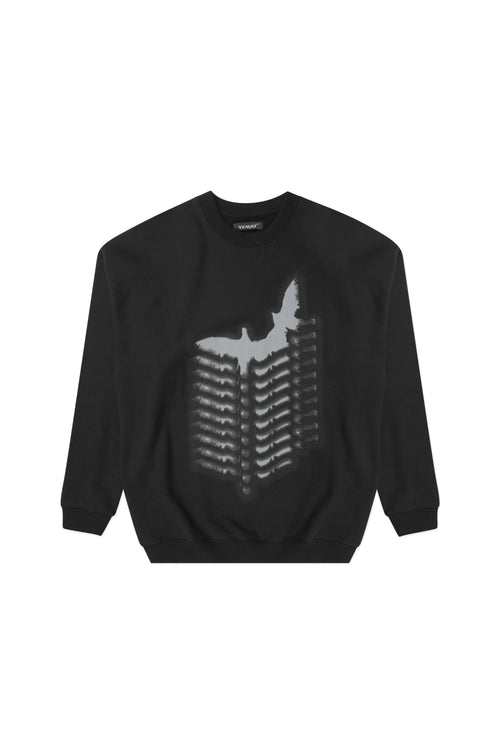
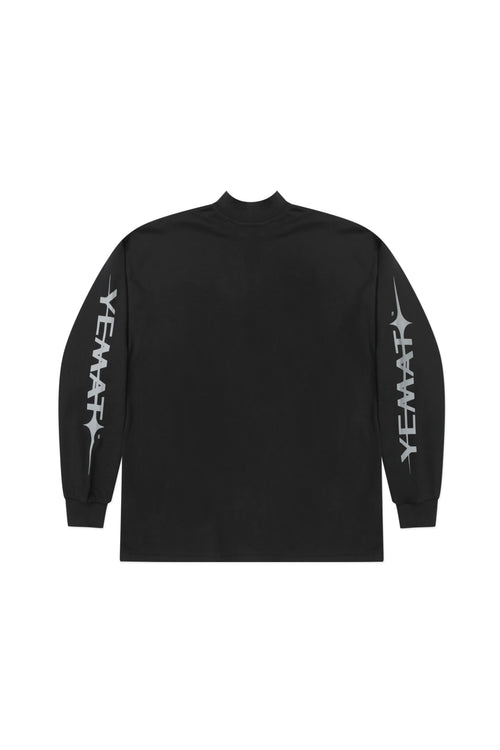
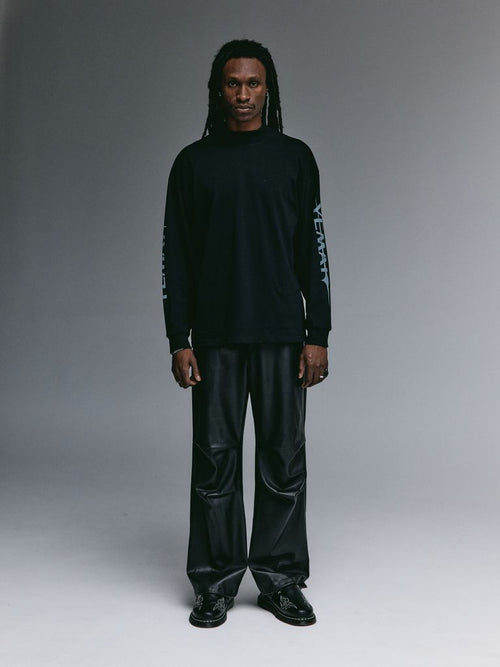
That's the environment behind every YEMAT piece. Designed in Australia and made in Portugal, each garment moves through pattern making, sampling, and a final inspection before it's approved for a limited run. The result is construction you can feel in the shoulder seam and the ribbing, not just read about on a label.
Most guides talk about "quality" as an abstract virtue. In practice, it comes down to how many units a line is running and how much time each operator has per seam.
High-GSM Fabric Durability: What Portuguese Mills Get Right
High-GSM fabric durability is where Portuguese mills separate themselves from volume producers. GSM, or grams per square metre, measures fabric weight. A heavier knit holds its structure, resists twisting, and softens with wear instead of thinning out.
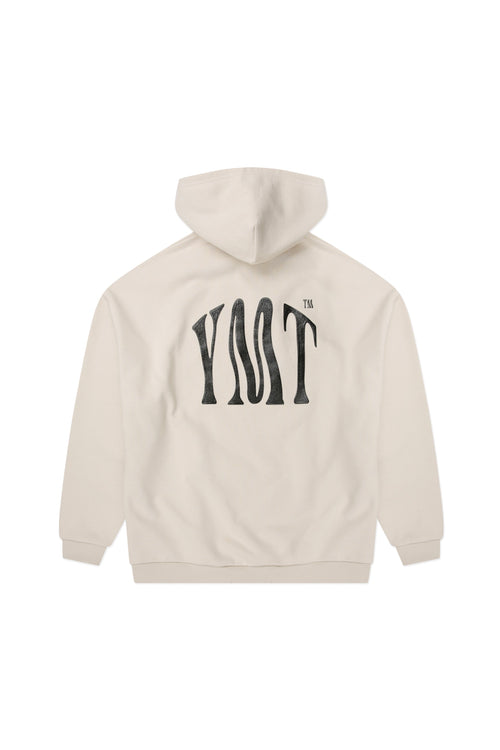
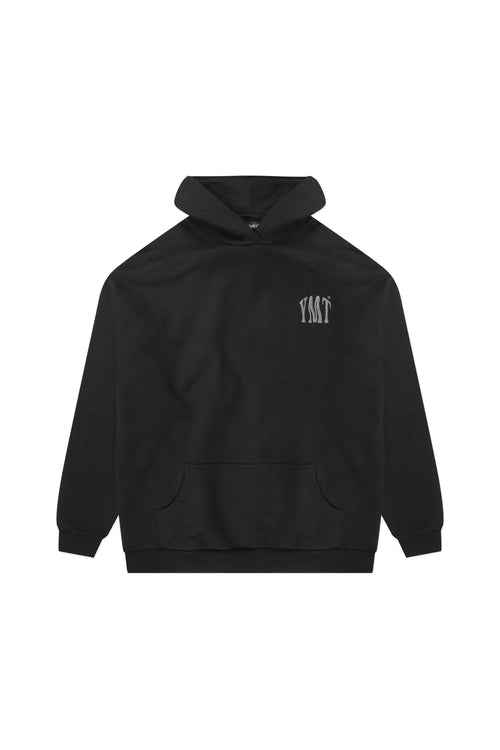
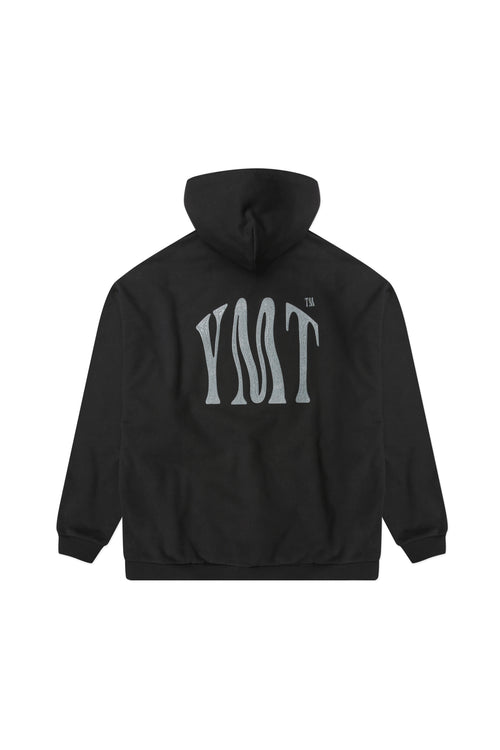
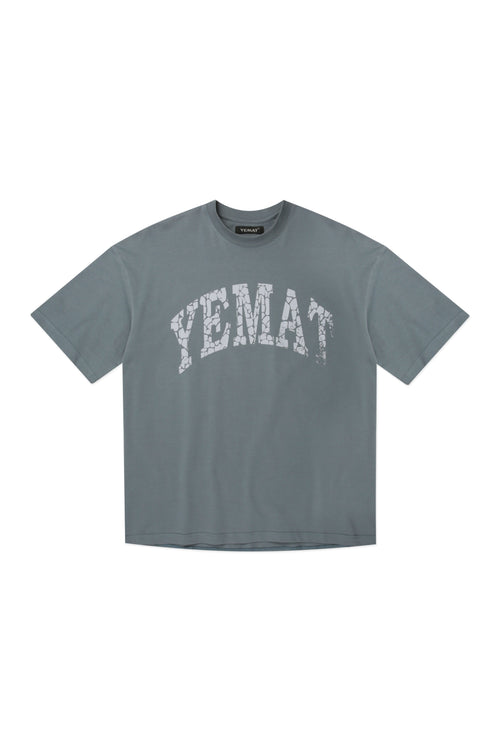
YEMAT's 450 GSM brushed organic cotton fleece and 240 GSM organic cotton double-jersey sit at the heavyweight end of the market. That weight is why a hoodie keeps its shape through repeated washes, and why a tee breaks in rather than wears out.
- 240 GSM jersey: dense, smooth-faced, holds its colour depth
- 450 GSM fleece: winter weight, brushed inside, structured outside
- Both: cut and sewn in northern Portugal, built to hold their line
The trade-off is real. Heavyweight cotton takes longer to soften, so the first few wears feel sturdier than a lightweight tee. That's the point.
Small-Batch Clothing Production Advantages for Emerging Brands
Small-batch clothing production advantages come down to flexibility and risk. A brand can test a silhouette in a limited run, learn from real wear, and adjust before committing to volume. That's harder to do when minimum order quantities force a decision upfront.
For emerging labels, Portuguese workshops often accept lower MOQs than large-scale factories in other sourcing destinations.
Technical Compliance and Environmental Standards in Portuguese Factories
- REACH (Registration, Evaluation, Authorisation and Restriction of Chemicals), the EU regulation restricting hazardous substances in textiles, including azo dyes, certain phthalates, and heavy metals. Ask for a REACH compliance declaration on the exact fabric, not the mill's general marketing page.
- OEKO-TEX Standard 100, a voluntary certification testing finished garments and fabrics for harmful substances. It is not legally required, but a mill that holds it has paid for independent lab testing.
- GOTS (Global Organic Textile Standard), covers organic fibre content plus social and environmental criteria across the supply chain. Relevant if a brand is making organic cotton claims.
- EU labour law, working time, health and safety, and minimum employment protections apply to every factory in the bloc, including subcontractors. This is the layer that reduces the risk of the labour shortcuts common in less regulated supply chains.
- EU Waste Framework Directive and national wastewater rules, govern how dyehouse effluent and textile waste are handled. Portugal's dyehouses operate under national permitting that implements these.
A practical vetting checklist for an Australian buyer:
- Request the mill's REACH declaration and any OEKO-TEX or GOTS certificate numbers, then verify them directly with the issuing body rather than accepting a PDF.
- Ask which dyehouse the mill uses and whether it holds a wastewater discharge permit.
- Request a restricted substances list (RSL) signed against the specific fabric and colourway.
- Confirm whether the factory subcontracts any processes, embroidery, printing, washing, and whether those subcontractors fall under the same compliance documentation.
- Ask for a shrinkage and colourfastness test report on the production fabric, not a sample from a different batch.
For Australian shoppers, this matters because it reduces the risk of the labour and environmental shortcuts that plague less regulated supply chains. Supply chain transparency is easier to verify when factories operate under documented EU rules, and easier still when a brand is willing to show you the documents.
Logistics, Lead Times and Getting Portuguese-Made Clothing to Australia
Logistics and lead times are the practical question for Australian buyers. Portugal sits at the western edge of Europe, so goods typically move by air freight for premium small-batch runs, which keeps transit predictable but adds cost per unit. Sea freight is cheaper per kilogram but adds weeks and is rarely worth it below container volume.
| Stage | Typical Timeframe | What Happens |
|---|---|---|
| Production | 4-8 weeks | Cutting, sewing, finishing |
| Quality check | 3-5 days | Inspection before dispatch |
| Freight to Australia | 5-10 days | Air freight, customs clearance |
| Local dispatch | Within 24 hours | Express post, 2-4 days |
- Duty rates depend on the tariff classification of each garment. Many apparel lines carry a 5% duty, but the rate is not uniform, so classification matters.
- GST is generally payable on the landed value of imported goods (the customs value plus duty plus international freight and insurance) once the consignment exceeds the low-value threshold.
- Low-value threshold, consignments at or below the current low-value imported goods threshold are treated differently from higher-value shipments. The threshold has changed over time, so confirm the current figure with the Australian Taxation Office or Border Force before you plan a drop.
- Free trade agreements, Australia does not have an FTA with the EU, so there is no preferential duty rate available on Portuguese-made apparel. That is a real cost difference versus sourcing from a country with an Australian FTA in force.
- Country of origin, because the garments are made in Portugal, the EU origin applies. If any component is sourced outside the EU, the origin rules determine whether the finished garment still qualifies as EU-origin.
Australian Border Force importing goods guidance
Practical implications for a small brand:
- Budget duty and GST into your landed cost from the start, not after the first shipment.
- Get the tariff classification right before you order, misclassification is the most common cause of held consignments and amended assessments.
- Keep commercial invoices, packing lists, and proof of origin consistent across documents; mismatches slow clearance.
- For small-batch premium runs, air freight's speed usually outweighs its cost per unit because it shortens the cash-conversion cycle.
How Portuguese Manufacturing Benefits Compare to Other Sourcing Destinations
Comparing sourcing destinations comes down to what you're optimising for. Lower-cost regions win on unit price. Portugal wins on fabric quality, labour standards, and production runs small enough to keep quality control tight.
| Factor | Portugal | Low-Cost Regions |
|---|---|---|
| Fabric quality | High-GSM mills, in-house testing | Variable, weight often lighter |
| MOQs | Lower, suits small batches | High, forces volume |
| Labour standards | EU-regulated | Inconsistent |
| Lead times | Longer, predictable | Shorter, less predictable |
| Cost per unit | Higher | Lower |
Conclusion
The challenge with premium streetwear is separating genuine construction from marketing language. Fabric weight, manufacturing standards, and production scale are the details that actually determine how a garment ages.
Frequently Asked Questions
Which country is best for clothing manufacturing?
It depends on your priorities. Portugal is a leading choice for premium and luxury garments because of its skilled workforce, advanced textile mills and strong environmental compliance. For Australian brands like YEMAT, Portuguese manufacturing delivers the high-GSM organic cotton and construction quality that fast-fashion sourcing destinations cannot match. Other countries compete on cost, but Portugal wins on craftsmanship, technical expertise and supply chain transparency.
What is Portugal known for in fashion?
Portugal is known for high-quality garment production, particularly in the north where textile clusters specialise in knitwear, jersey and structured fleece. The country has a deep history of textile innovation, pattern making and sampling. Luxury streetwear brands choose Portuguese factories because they can produce heavyweight fabrics, maintain tight quality control and meet EU regulations on labour standards and environmental compliance.
What is the significance of high-GSM cotton in Portuguese garment production?
GSM (grams per square metre) measures fabric weight. Portuguese mills produce 240 GSM jersey and 450 GSM fleece that hold their shape, resist shrinkage and soften with age. High-GSM fabric durability means garments break in rather than wear out, which is why premium streetwear brands specify Portuguese-made heavyweight cotton. It costs more upfront but delivers a lower cost per wear over years of use.
How does Portuguese textile manufacturing compare to other global hubs?
Portuguese manufacturing sits at the premium end. Compared to Asian mass production, it offers smaller minimum order quantities, faster lead times to Europe and Australia, and stricter labour and environmental standards. Compared to other European hubs, Portugal combines competitive pricing with deep technical expertise in knitwear and jersey. The trade-off is higher unit cost, but the quality and supply chain resilience justify it for luxury and premium brands.
