

Best Geedup Alternatives for Premium Basics


How to Build a Durable Wardrobe: A 2026 Guide

Benefits of Portuguese Manufacturing for Clothing

How to Prevent Heavyweight Cotton Shrinkage: 2026 Guide
Table of Contents
- What Actually Separates Premium Basics From Mid-Range Streetwear
- The Best Geedup Alternatives for Premium Basics: A Quick Comparison
- The Benefits of High GSM Cotton (And Why 240 vs 450 GSM Changes Everything)
- How to Choose Premium Organic Cotton T-Shirts: A Buying Framework
- The Five Pieces Worth Owning From the Best Geedup Alternatives
- How to Care for Heavyweight Cotton Garments So They Last Years
- Where to Buy Premium Basics Without Missing Every Drop
- Frequently Asked Questions
Last Updated: October 4, 2026
What Actually Separates Premium Basics From Mid-Range Streetwear
Premium basics are garments built from heavyweight natural fibres, cut with structure, and finished to hold their shape through years of washing.
Most shoppers compare brands by reputation. That is the wrong metric. Two tees can look identical on a hanger and behave completely differently after ten washes.
Below, we cover what separates premium from mid-range, how to read a fabric spec, and the five pieces we would build a wardrobe around.
The Best Geedup Alternatives for Premium Basics: A Quick Comparison
The best geedup alternatives for premium basics publish their fabric weight, name their fibre content, and cut for structure rather than drape.
Here is how the pieces in the YEMAT range compare on the specs that matter:
| Piece | Fabric | Weight | Fit | Price |
|---|---|---|---|---|
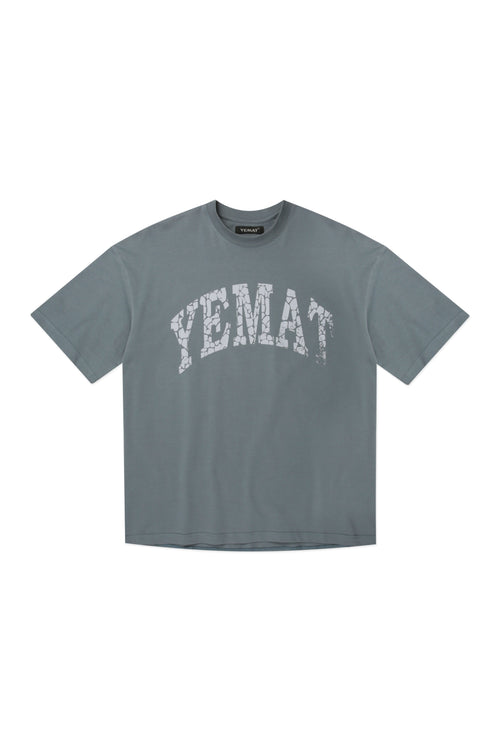
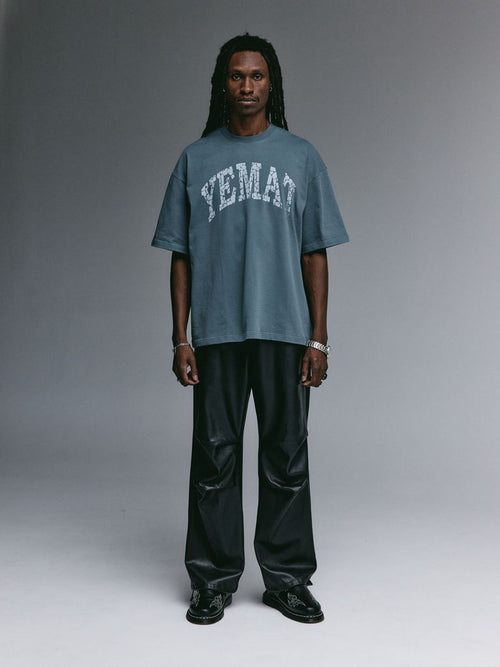
| Velvet Tee Black / White | Organic cotton double-jersey | 240 GSM | Boxy oversized, dropped shoulder | $195 |
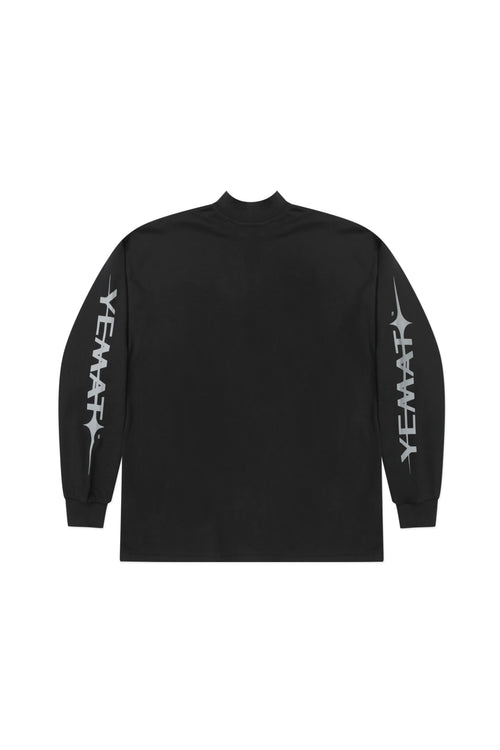
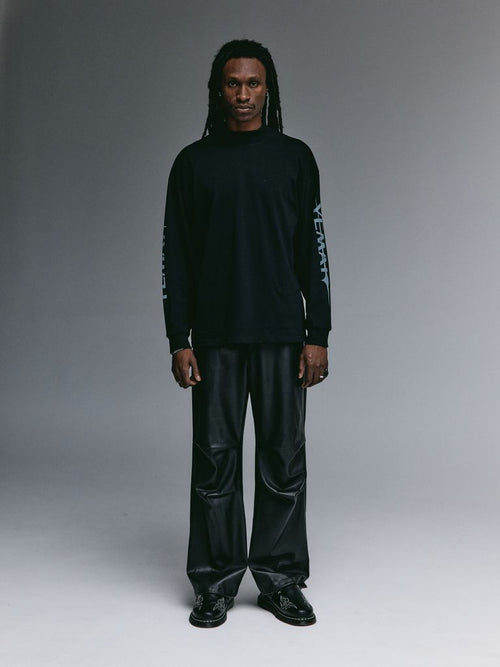
| Shadowline Longsleeve | Organic cotton double-jersey | 240 GSM | Oversized, high ribbed crew | $204 |
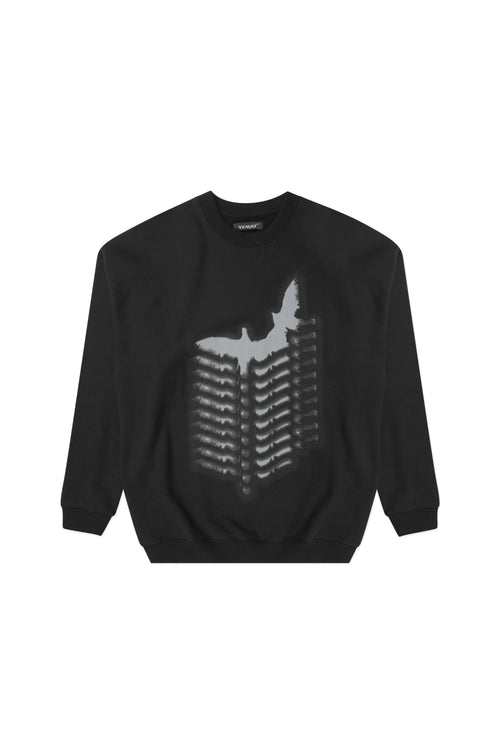
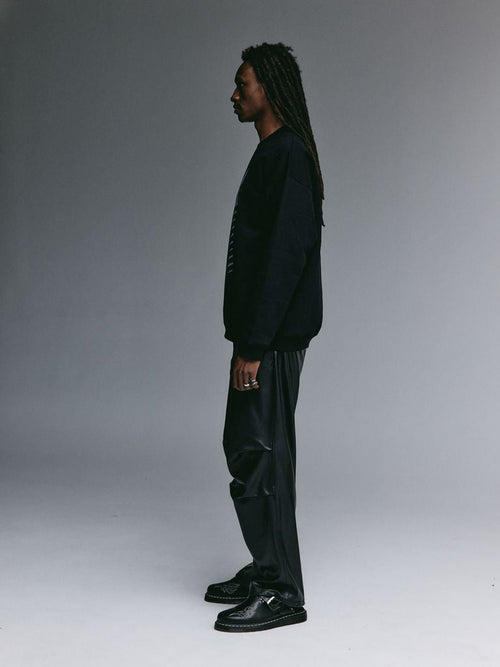
| Relic Jumper | Brushed organic cotton fleece | 450 GSM | Oversized, dropped shoulder | $244 |
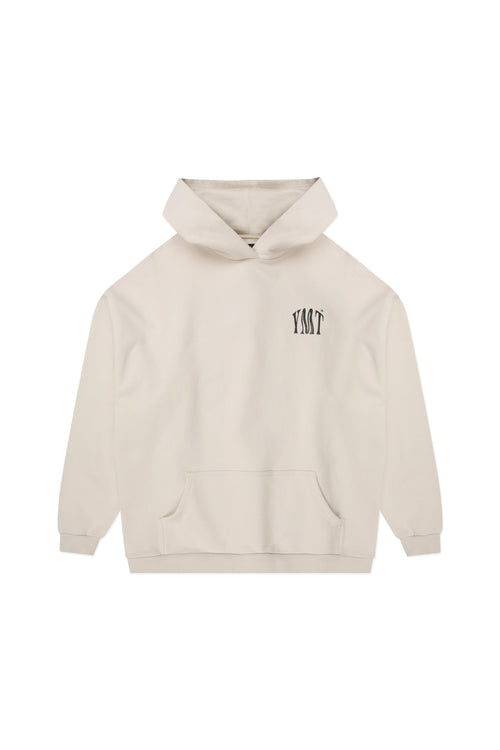
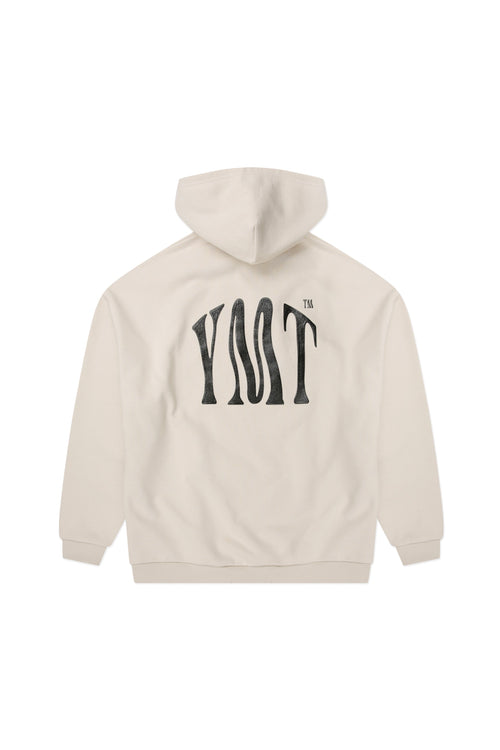
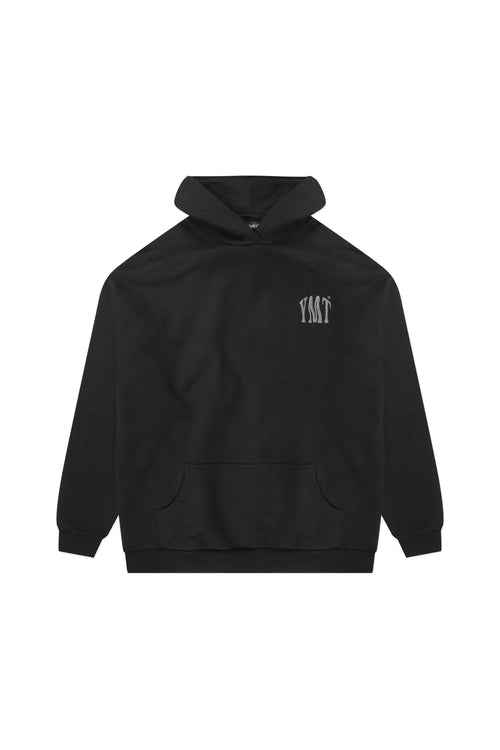
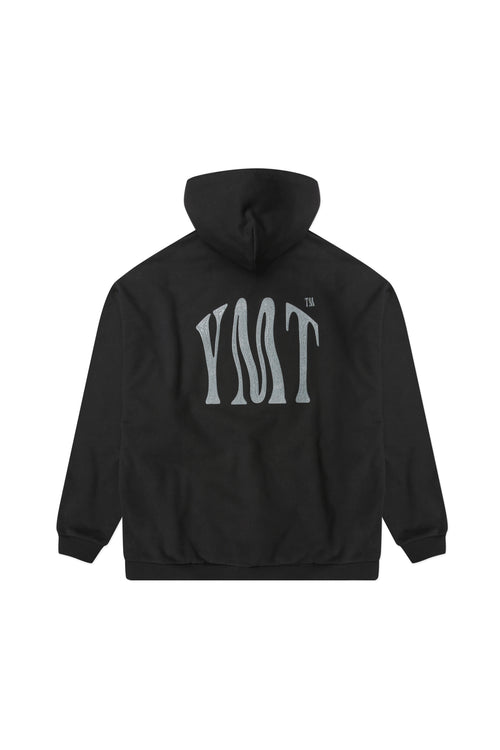
| Force Hoodie Black / Beige | Brushed organic cotton fleece | 450 GSM | Oversized, dropped shoulder | $295 |

The pattern is simple: jersey sits at 240 GSM for year-round wear, fleece at 450 GSM for winter weight. Nothing falls below 240 GSM, where most mid-range streetwear starts and stops.

The Benefits of High GSM Cotton (And Why 240 vs 450 GSM Changes Everything)
High GSM cotton gives a garment the density to hold its cut, resist transparency, and soften without collapsing. GSM stands for grams per square metre, the fastest way to judge whether a tee will last: fast fashion runs 140 to 160 GSM, mid-range streetwear sits near 180, and heavyweight jersey starts around 220.
But GSM alone is not the whole story. Two garments can both read 240 GSM and behave completely differently, because knit structure and fibre blend decide how that weight is distributed.
Fabric-to-fabric: what the same GSM actually means
| Fabric | Typical GSM | Structure | How it wears |
|---|---|---|---|
| Single jersey | 140-180 | One knit face, thin | Drapes, twists at hem, goes sheer in white |
| Double jersey (interlock) | 220-260 | Two knit faces bonded | Holds a straight hem, opaque in white, minimal twist |
| French terry | 280-400 | Smooth face, looped back | Absorbs sweat, softens fast, can sag at the shoulder |
| Brushed fleece | 400-480 | Looped back, brushed | Warm, structured, pills if the fibre is short-staple |
| Heavyweight cotton (loopback) | 380-450 | Dense looped back | Holds a shoulder seam for years, slow to break in |
A 240 GSM double-jersey tee and a 240 GSM single-jersey tee are not the same product.
French terry and brushed fleece are often confused. French terry has an unbrushed looped back, so it breathes and works across more of the year. Brushed fleece raises that looped back into a pile, which traps air and adds warmth but gives short fibres somewhere to pill.
Why the jump from 240 to 450 changes the garment entirely
- Structure. At 240 GSM, a double-jersey tee stands away from the body and keeps a straight hem line. At 450 GSM, brushed fleece holds a shoulder seam in place for years.
- Opacity. A white tee at 240 GSM double-jersey does not show what is underneath. A 150 GSM white tee does.
- Break-in. Dense cotton softens gradually instead of thinning out. The fabric relaxes; the cut does not move.
The trade-off is warmth and drying time. A 450 GSM fleece hoodie is a winter piece, in Sydney roughly May to September, longer further south. A 240 GSM double-jersey tee works across three seasons because the interlock structure breathes while still holding shape.
If you want a single rule: match the knit to the job. Double jersey for tees that stay opaque and square, French terry for mid-weight layering, brushed fleece or heavy loopback for winter structure.
How to Choose Premium Organic Cotton T-Shirts: A Buying Framework
Choosing premium organic cotton t-shirts comes down to four checks you can run in under a minute. Skip the brand story and go straight to the spec sheet.
- Fabric weight and type. Look for GSM and the knit name. Double-jersey at 240 GSM or higher is a good baseline for a tee that holds shape. Single-jersey at the same weight is lighter and drapes more.
- Fibre content. Organic cotton should be listed as a percentage, not implied. Blends are not automatically bad, but they change how the garment ages.
- Construction details. Check the collar ribbing, the shoulder seam, and the hem stitch. Dense ribbing recovers after stretching. A dropped shoulder should be cut, not sewn on as an afterthought.
- Fit and sizing honesty. A brand that tells you a cut runs a full size large is a brand that expects you to keep the garment. Ours does exactly this on the Velvet Tee, which is the widest cut in the range.
Cost per wear settles the argument. A $195 tee worn twice a week for three years costs well under a dollar per wear. Four $40 tees replaced each season cost more and never fit the same twice.
The Five Pieces Worth Owning From the Best Geedup Alternatives
The five pieces worth owning are two heavyweight tees, a long sleeve, a crewneck jumper, and a hoodie. That set covers a full week of wear across three seasons without repeating a silhouette.
Velvet Tee Black ($195) is the anchor: 240 GSM organic cotton double-jersey, cut wide and square with a dropped shoulder, running a full size large, so size down. The same pattern in white is the Velvet Tee White, and at this weight the white is opaque rather than see-through.
Shadowline Longsleeve ($204) is the layering piece: same 240 GSM double-jersey, with the highest crew neck in the range, ribbed cuffs that stay put when you push the sleeve up, and the narrowest cut through the chest.
Relic Jumper ($244) is 450 GSM brushed fleece, ribbed at collar, cuff and hem. It sits cleanly over the Shadowline in winter and works on its own in autumn.

Force Hoodie ($295) is the same 450 GSM fleece with a double-layer cotton hood that stands rather than collapses. It also comes in beige as the Force Hoodie Beige, though a light colour shows wear sooner, so wash it cold with similar colours.

How to Care for Heavyweight Cotton Garments So They Last Years
Caring for heavyweight cotton garments is mostly about avoiding heat. Heavy cotton does not wear out from washing; it wears out from hot water, tumble drying, and bleach, which break down the fibre and shrink the knit unevenly.
But "wash cold, hang dry" is the advice every guide gives. What most never show you is what happens to the fabric across a realistic wash cycle, and which failures are preventable versus built in at the mill.
What degrades, and at what point
A common pattern reported by people who track their own heavyweight basics over a year of wear:
- Washes 1-5. Minimal change if the garment was pre-shrunk. Slight softening of the hand-feel. Collar ribbing still snaps back.
- Washes 6-15. The first visible wear shows at the highest-friction points: underarm, collar edge, and the hem where it rubs a belt. Long-staple cotton shows surface softening here; short-staple cotton starts to pill.
- Washes 16-30. Single-jersey tees begin to twist at the hem and sag at the neckline. Double-jersey and dense loopback hold their line. Colour depth on reactive-dyed black starts to dull if washed hot.
The mechanism is simple: cotton fibre is held together by twist, and the heat and agitation of a tumble dryer abrade the fibre and loosen that twist, which is why a tumble-dried tee pills and shrinks while a hung-dry tee of the same weight does not. Fabric softener compounds this by coating the fibre in a waxy layer that reduces breathability and traps odour.
The routine that keeps a 240 GSM tee or a 450 GSM hoodie in shape
- Wash cold (30°C or below), on a normal cycle, with similar colours
- Turn printed and velvet-detailed pieces inside out
- Skip fabric softener, which coats the fibre and reduces breathability
Cold washing also protects colour depth. Jersey dyed before cutting and washed cold holds its black far longer than a lightweight tee that fades by the third wash. Reactive dyes bond to the fibre rather than sitting on the surface, so they resist fading better than pigment dyes, but only if the wash temperature stays low.
Australian Government guidance on textile care labelling and mandatory care instructions
Where to Buy Premium Basics Without Missing Every Drop
You can buy premium basics without chasing drops by choosing a brand that keeps core pieces in stock rather than rotating everything through limited releases.
The practical answer is to buy core colours first: black and white tees, a black long sleeve, a black or beige hoodie.
Availability matters as much as stock.
For anyone building a wardrobe rather than a collection, that is the whole strategy.
Frequently Asked Questions
What defines a premium heavyweight streetwear garment?
Fabric weight, construction and cut. A premium heavyweight tee sits at 240 GSM or above; a hoodie or jumper at 450 GSM. Look for organic cotton, double-jersey or brushed fleece construction, ribbed collars and cuffs that hold their shape, and a dropped shoulder that keeps its line after washing. Anything below 180 GSM will thin out and lose structure within a season.
How do I identify high-GSM organic cotton when shopping online?
Check the product spec sheet for a GSM number, not just the word 'heavyweight'. If a listing says heavyweight but gives no GSM, treat that as a red flag. A 240 GSM double-jersey tee and a 450 GSM brushed fleece hoodie are both verifiable figures you can compare across listings. Organic cotton certification and the country of manufacture are also worth checking before you buy.
Are there Australian-designed alternatives to mainstream streetwear brands?
Yes. Several Australian-designed labels now manufacture in Portugal and other European workshops, which gives them access to heavier organic cotton and tighter construction standards than most mass-produced basics. The key difference is that small-batch production means fewer units per drop, so core pieces sell through faster. Check the GSM spec and the manufacturing origin before committing.
Why is small-batch production better for streetwear quality?
Small-batch runs let a brand control fabric sourcing, stitching tolerances and quality checks at a level mass production cannot match. When a factory runs 200 units instead of 20,000, there is more time per garment for seam inspection and fit consistency. It also means the brand can use higher-GSM organic cotton without cutting corners to hit a price point.
What should I look for in a durable streetwear hoodie or t-shirt?
Start with GSM: 450 for fleece, 240 for jersey. Then check the hood construction (a double-layer cotton hood holds its shape), the ribbing at collar and cuffs, and whether the fabric is dyed before cutting, which resists fading. Cold wash and hang dry will extend the life of any heavyweight cotton piece significantly, regardless of brand.
The real challenge with premium basics is not finding them, it is trusting that the fabric will behave the way the spec sheet promises. YEMAT designs in Australia and makes in northern Portugal, using 240 GSM organic cotton double-jersey and 450 GSM brushed fleece cut for structure. Every piece is built to break in rather than wear out, backed by free 14-day size exchanges and express delivery. Shop the hoodie and start with a piece you will still be wearing in five years.
