

5 Alternatives to Fast Fashion Streetwear Brands


Why Do Luxury T-Shirts Lose Shape? The Real Science

Styling Heavyweight Tees for Office Wear

Why Heavyweight Organic Cotton Lasts Longer
Table of Contents
- What Actually Makes a Streetwear Brand a Fast Fashion Alternative
- The 5 Alternatives to Fast Fashion Streetwear Brands Compared
- Cost Per Wear: The Number That Separates Fast Fashion From Real Value
- The Benefits of High GSM Organic Cotton in Streetwear
- How to Build a Sustainable Streetwear Wardrobe Without Losing Your Aesthetic
- Sustainable Streetwear Brands Australia: What to Look For
- Frequently Asked Questions
Last Updated: September 11, 2026
What Actually Makes a Streetwear Brand a Fast Fashion Alternative
Fast fashion streetwear is a production model built on speed and volume: trend-driven designs pushed to market in weeks, made from lightweight fabrics in facilities chosen for cost rather than craft. A genuine alternative inverts that model. It favours heavier fabric, smaller runs and supply chains you can actually trace, and it is judged on how long a garment stays in rotation rather than how quickly it lands on a sale rack.
At YEMAT, we build on that inversion: heavyweight organic cotton, designed here and made in northern Portugal in small batches. Below, we break down the five selection criteria that separate a real alternative from a marketing claim, then compare five routes you can take in 2026.
The Five Selection Criteria That Matter
Five criteria decide whether a streetwear label is a genuine alternative to fast fashion:
- Fabric weight and construction. Look for stated GSM (grams per square metre). Heavyweight jersey and fleece hold their shape; thin fabric collapses after a few washes.
- Traceable production. The label should name the country and, ideally, the facility where garments are cut and sewn.
- Batch size. Small-batch and limited-run production reduces overproduction and textile waste.
- Material certification. Independent certification such as OEKO-TEX Standard 100 confirms a finished garment has been tested for harmful substances.
- Repair and resale support. A brand that helps you keep a garment longer is doing more for garment longevity than one that simply prints a sustainability page.
Weight is the criterion most shoppers skip, and it is the one you feel every time you put the piece on.
How to Spot Greenwashing Before You Pay
Greenwashing is marketing language that implies environmental responsibility without verifiable evidence behind it. The Australian Competition and Consumer Commission's guidance on environmental and sustainability claims sets out what businesses must be able to substantiate, and it is a useful checklist for shoppers too.
Red flags to watch for:
- Vague terms like "eco-friendly" or "green" with no certification named
- A sustainability page with no factory, country or standard mentioned
- Recycled content claimed without a percentage or certifying body
- No information on where the garment was actually made
The 5 Alternatives to Fast Fashion Streetwear Brands Compared
The five routes below cover the realistic options for a streetwear wardrobe that holds its aesthetic without the fast fashion churn. They range from buying heavyweight pieces new, through small-batch and certified labels, to second-hand and rental. Cost per wear, not sticker price, is the measure that matters across all five.

| Route | Typical Upfront Cost | Best For | Longevity |
|---|---|---|---|
| Heavyweight new pieces | From A$145 per piece | Everyday core rotation | Highest, 5+ years |
| Small-batch labels | Varies by drop | Limited graphics | High |
| Ethically certified brands | Varies by brand | Traceability priority | High |
| Second-hand and resale | Lowest entry point | Rare and vintage finds | Depends on condition |
| Rental and swap | Lowest per wear | Occasional statement pieces | Not owned |
1. YEMAT: Heavyweight Organic Cotton, Made in Portugal
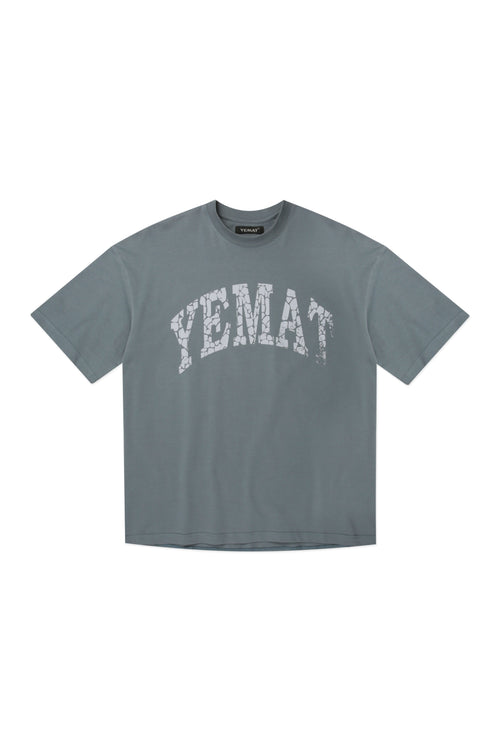
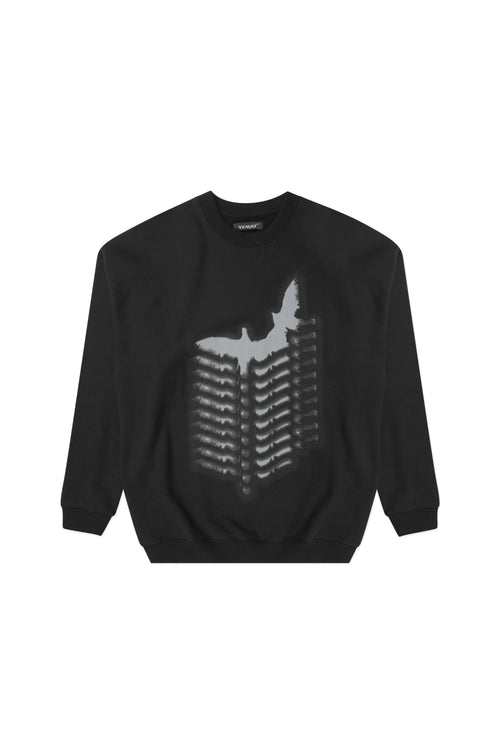
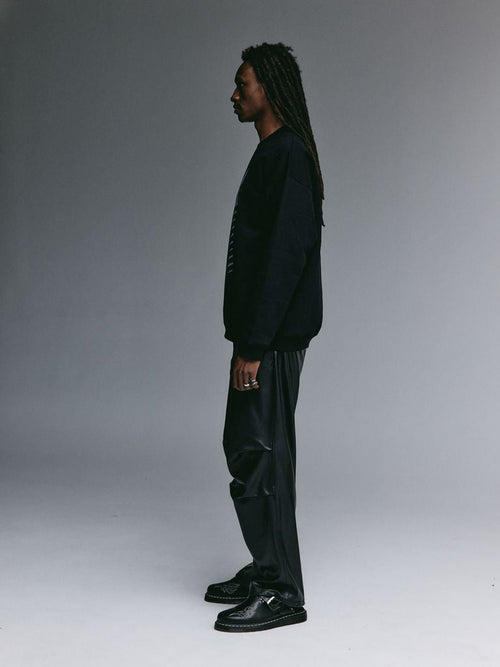
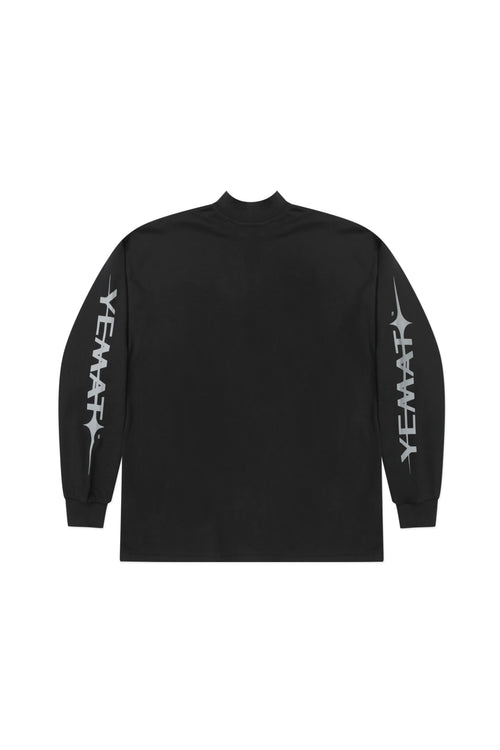
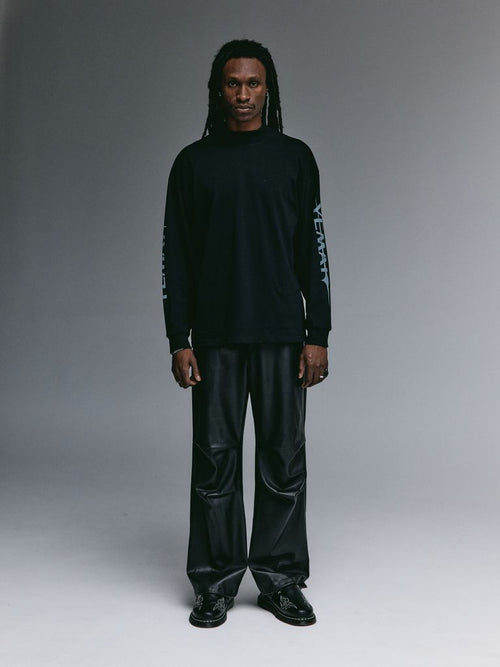
YEMAT is an Australian luxury streetwear house producing heavyweight garments designed here and crafted in northern Portugal. The range is built around two fabric weights: 450 GSM brushed organic cotton fleece for hoodies and jumpers, and 240 GSM organic cotton double-jersey for tees.
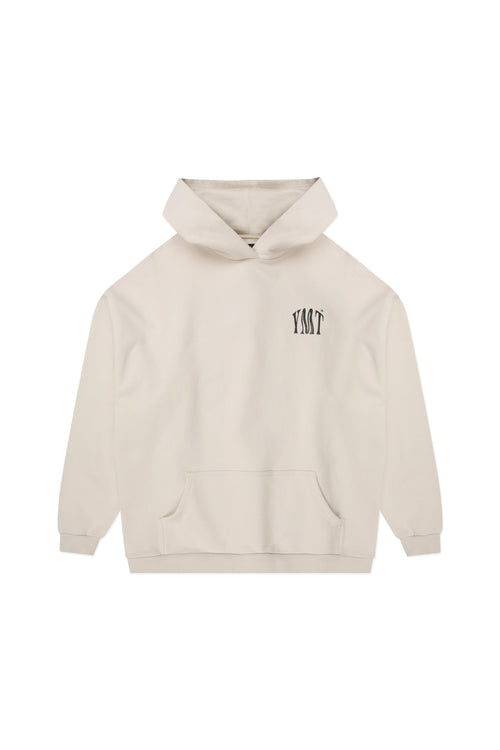
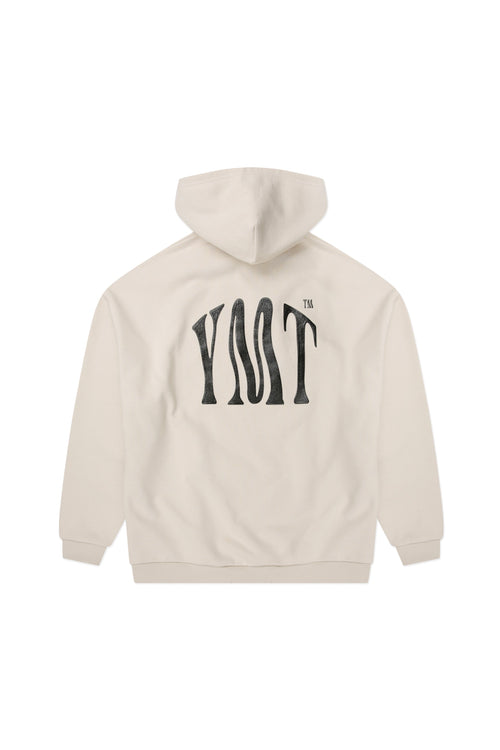
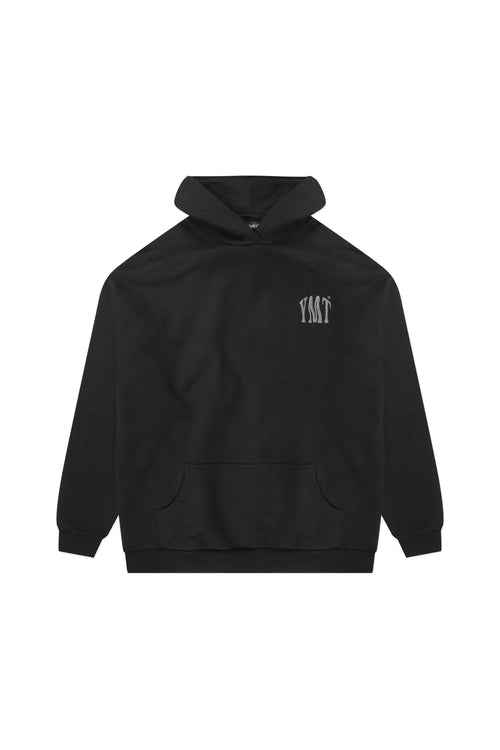
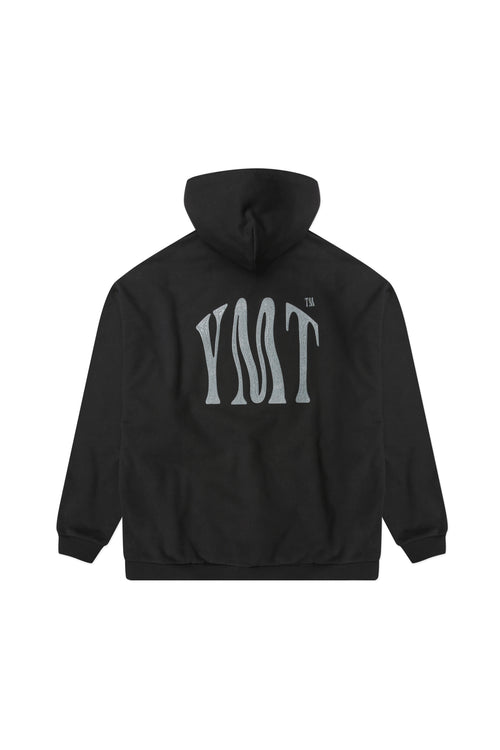
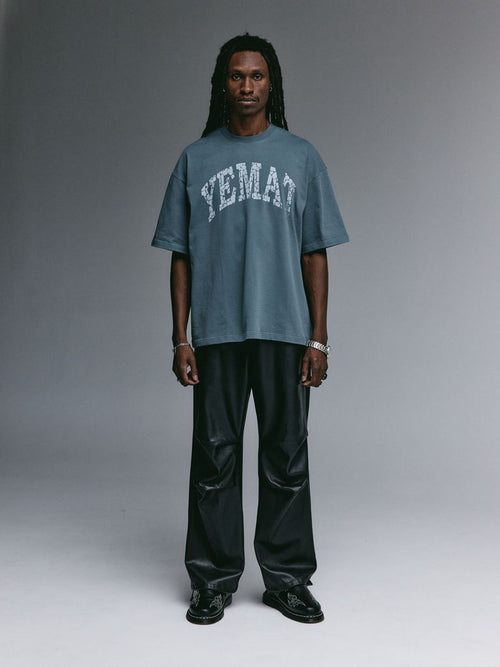
The Fracture Tee comes in deep teal, cut loose with a dropped shoulder and a ribbed collar that holds its shape. The Airbrush Tee has the graphic sprayed into the fabric rather than sitting on top of it. For fleece, the Force Hoodie comes in black or beige, and the Relic Jumper completes the fleece range.


What most reviews miss is that heavy cotton does not stay stiff. It breaks in rather than wears out, softening with each wash while holding the line it was cut with. Sizing runs oversized, so size down for a closer fit. Worldwide express delivery applies, and size exchanges are free within 14 days.
2. Small-Batch and Limited-Run Labels
Small-batch production means a label makes a set number of units per design rather than restocking indefinitely. The upside is less overproduction and less textile waste. The trade-off is real: popular sizes sell out, and you may wait months for a restock that never comes.
If you want consistent core basics rather than drop-chasing, check whether a label keeps standing stock of its plain pieces. Many small-batch brands do not, which is the single biggest frustration for shoppers moving away from fast fashion.
3. Australian-Made and Ethically Certified Brands
Ethical production means the people who cut and sew a garment work under verifiable conditions, and fair trade certification is one way to confirm it. Supply chain transparency matters more here than any logo: a brand should be able to name its factory and its fabric mill.
Domestic manufacturing shortens the supply chain and the carbon footprint of freight, but it is not automatically more ethical or higher quality. Ask the same questions you would of an offshore producer: which facility, which certification, what fabric weight.
4. Second-Hand and Resale Platforms
Thrifting and the second-hand market are the lowest-cost entry point into sustainable streetwear, and the most effective single action for waste reduction, because no new garment is produced. Vintage pieces also carry a patina that new garments cannot replicate.
The catch is condition and fit. Check seams, collar ribbing and print cracking before buying, and expect to size up or down depending on how the original piece was cut. For streetwear specifically, resale is where discontinued graphics and older silhouettes surface.
5. Rental and Clothing Swap Services
Rental services and clothing swaps suit statement pieces you would wear a handful of times: a loud graphic, a seasonal colourway, a piece for one event. They deliver the lowest cost per wear of any option here, because you never own the garment.
Where rental falls short is the core wardrobe. You cannot build a personal aesthetic on pieces that go back at the end of the week. Use rental for the outliers and buy the basics.
Cost Per Wear: The Number That Separates Fast Fashion From Real Value
Cost per wear is the purchase price divided by the number of times you actually wear the garment. It is the only comparison that accounts for how long a piece survives.
A A$145 heavyweight tee worn twice a week for three years works out to well under a dollar per wear. A A$30 fast fashion tee worn ten times before the collar stretches costs A$3 per wear, and it is in landfill by the end of the season. The cheaper garment is the more expensive one.
The formula is simple: price ÷ wears = cost per wear. Track it for one season and the maths will change how you shop.
The Benefits of High GSM Organic Cotton in Streetwear
High GSM organic cotton is a heavyweight knit that holds structure, resists transparency and softens with age instead of thinning out. GSM, or grams per square metre, is the standard measure of fabric density.
The practical differences you feel:
- Structure. A 450 GSM fleece hoodie stands away from the body and keeps its shoulder line.
- Opacity. Dense jersey does not go sheer under light, so a white tee stays wearable.
- Durability. Heavier yarn resists the pilling and collar stretch that end a light tee's life early.
- Break-in. Heavy cotton softens gradually, so the fit you buy is the fit you keep.
Organic cotton also avoids the synthetic inputs of conventional growing, and recycled polyester and deadstock fabric are useful alternatives for outerwear and trims where a knit is not appropriate. For a core tee or hoodie, weight and construction do more for garment longevity than any label claim.
How to Build a Sustainable Streetwear Wardrobe Without Losing Your Aesthetic
Building a sustainable streetwear wardrobe comes down to fewer, heavier pieces in a tight colour range, then layering personal detail on top. Start with the core: two heavyweight tees, one hoodie, one crewneck jumper, in colours that work with everything else you own.
From there, the sequence that works:
- Replace, don't add. When a fast fashion piece wears out, replace it with a heavier equivalent.
- Buy second-hand for graphics and statement pieces.
- Rent or swap anything you would wear fewer than five times.
- Repair before you replace, and learn one basic mending stitch.
This keeps the silhouette you already like while cutting the volume of new garments moving through your wardrobe.
DIY Customisation and Upcycling for Streetwear
Upcycling is the practice of altering an existing garment to give it new life, and it is where streetwear has a genuine advantage over most fashion categories. The aesthetic already rewards visible alteration.
Practical starting points:
- Screen printing onto a plain heavyweight tee to add a graphic of your own
- Patchwork on a worn hoodie, using offcuts to cover a stain or thin patch
- Overdyeing a faded piece to reset the colour
- Hem and cuff alterations to change the drop and break of a garment
A common mistake is customising a thin garment. Alterations show every flaw in light fabric, so start with something heavy enough to carry the work.
Sustainable Streetwear Brands Australia: What to Look For
Sustainable streetwear brands in Australia should be assessed on evidence, not adjectives. Four checks settle it quickly.
First, ask for the GSM. Second, ask where the garment was made and in which facility. Third, look for a named certification rather than a sustainability page. Fourth, check whether the brand supports repair, resale or long-term wear.
The Australian Government's guidance on sustainable shopping is a useful reference point for what genuine claims look like, and the ACCC guidance above covers what businesses are required to substantiate. A brand that answers all four questions in plain language is usually the real thing. One that deflects is not.
The hard part is not finding an alternative to fast fashion streetwear. It is resisting the price tag long enough to do the cost-per-wear maths. YEMAT builds for that longer view: heavyweight 450 GSM fleece and 240 GSM organic cotton jersey, designed in Australia and made in small batches in northern Portugal, engineered to break in rather than wear out, with free express shipping to Australia and free 14-day size exchanges. Shop the hoodie and start with one piece you will still be wearing in five years.
Frequently Asked Questions
What are the best sustainable alternatives to fast fashion streetwear?
Look for brands that publish fabric weight, fibre content and where the garment was made. High GSM organic cotton, small-batch runs and transparent supply chains are the clearest signals. YEMAT's range, for example, uses 240 GSM organic cotton jersey for tees and 450 GSM brushed fleece for hoodies, all made in northern Portugal. Fewer, heavier pieces that hold their shape replace the seasonal cycle of thin, disposable basics.
How can I tell if a streetwear brand is actually high quality?
Check three things: fabric weight, fibre content and construction. A 240 GSM tee or 450 GSM hoodie will feel dense and structured, not thin or see-through. Look for 100% organic cotton, twin-needle stitching, ribbed collars that hold their shape and turned hems. Brands that state these details openly are usually the ones whose pieces last longer than a season.
Why is fast fashion considered unsustainable in the streetwear industry?
Fast fashion relies on high volumes, low prices and constant new drops, which drives textile waste and short garment lifespans. Thin fabrics pill, shrink and lose shape within months, so pieces get replaced rather than repaired. The environmental impact includes water use, chemical processing and carbon footprint across production and shipping. Slow fashion alternatives cut the volume, use sustainable materials and design garments to stay in rotation for years, not weeks.
How do I build a sustainable streetwear wardrobe without losing my style?
Start with a capsule wardrobe of five to seven core pieces in neutral colours: two heavyweight tees, a hoodie, a crewneck jumper, a jacket and two pairs of trousers. Buy the heaviest fabric you can afford, then layer graphics and accessories around it. Add vintage and thrifted finds for character, and use clothing swaps or rental services for pieces you would only wear a few times. The aesthetic stays sharp because the base pieces hold their shape.
Is high GSM organic cotton worth the price compared to fast fashion basics?
Run the cost-per-wear maths. A $30 fast fashion tee replaced every season costs $150 over five years and never fits well. A $145 heavyweight organic cotton tee worn twice a week for three years works out to under $1 per wear, and it softens with age rather than breaking down. Higher GSM fabric resists pilling and holds its structure, so you buy less often and the garment looks better the longer you own it.
